Beyond the Curtain: The Significance of Russia's Elections
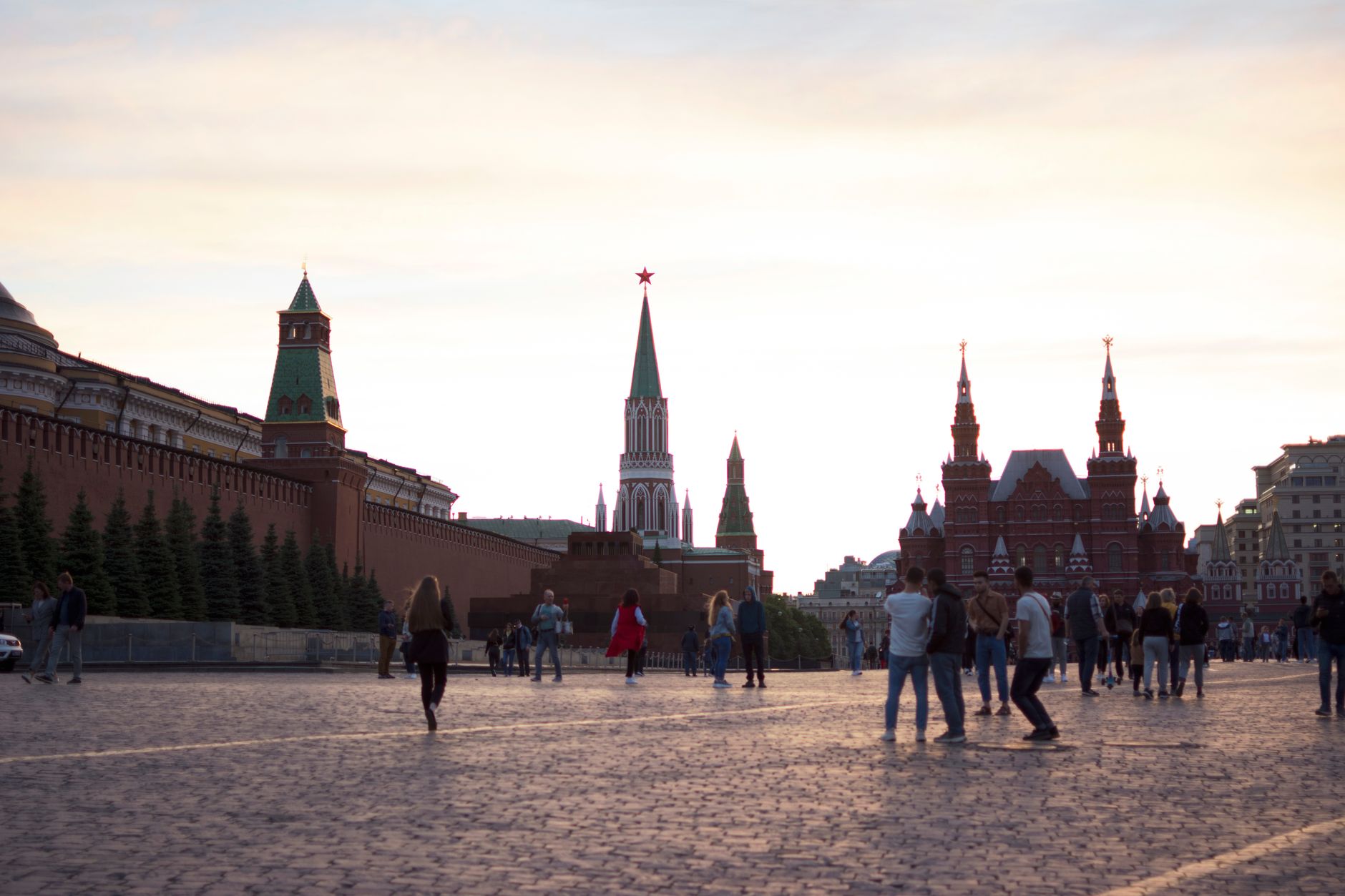
In the grand theatre of Russian politics, the recent elections have unfolded not merely as a predictable act of political choreography but as a crucial instrument of statecraft. With the dominance of United Russia seemingly unassailable, one might be tempted to dismiss these elections as mere theatre. However, they serve a more profound purpose in the Kremlin’s strategic arsenal.
The elections are a mechanism through which the Kremlin not only reaffirms its grip on power but also gauges public sentiment, albeit within a carefully controlled environment. The Central Election Commission has reported that over 95% of the votes have been counted, with the final results expected shortly. Yet, the outcome is hardly in question; it is the process that bears scrutiny.
For Vladimir Putin, who has been at the helm since the last days of the 20th century, maintaining an aura of legitimacy is paramount. Elections, therefore, become a carefully managed process to project a semblance of democratic engagement. While critics argue that the space for genuine political discourse is diminishing, the elections still offer a platform, albeit limited, for various political parties to voice their visions for Russia's future.
The Role of Political Parties
Though United Russia's dominance continues unabated, other parties play their roles in this intricate political ballet. They represent a spectrum of ideological options, each contributing to the façade of pluralism. This controlled diversity allows the Kremlin to experiment with political ideas without risking the stability of the regime.
Moreover, these elections provide valuable feedback to the Kremlin. In a nation where dissent is often stifled, the electoral process offers insights into public opinion and the effectiveness of government policies. It is a means of renewal, allowing for adjustments in governance without disrupting the status quo.
A Glimpse into the Future
As the final results are awaited, the world watches with a mixture of scepticism and curiosity. The elections, while unlikely to herald any immediate change, reveal much about the Kremlin's current strategies and future intentions. They underscore the delicate balance Russia maintains between control and the appearance of democracy.
Ultimately, the elections are more than mere political theatre; they are a reflection of a nation navigating its complex identity on the world stage. For Russia, this is not just about electing leaders but about crafting a narrative of power and permanence.