Bhadohi's Name Reverts to Sant Ravidas Nagar Amid Political Jostling
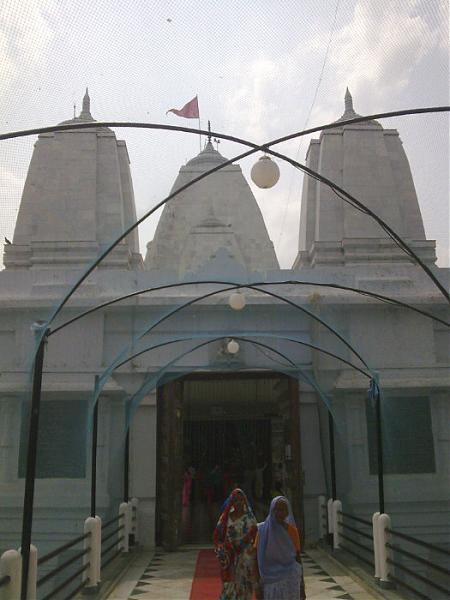
The district of Bhadohi, nestled in the heart of Uttar Pradesh, has once again embraced its former identity as Sant Ravidas Nagar. The announcement came from Chief Minister Yogi Adityanath during a stirring address in Varanasi, marking a significant political manoeuvre that aligns with the BJP's broader cultural and electoral strategy in the state.
Originally named in honour of the revered 15th-century saint and social reformer, Sant Guru Ravidas, the district was rechristened Bhadohi in 2014 under the Samajwadi Party's governance. The recent decision to revert to its previous name is not only a nod to historical and cultural roots but also a strategic move in the political chess game played out across Uttar Pradesh.
Historical and Political Context
The renaming of districts in India is more than mere administrative rejigging; it often carries deep political and cultural implications. Sant Ravidas, a mystic poet and a prominent figure in the Bhakti movement, is venerated by many, particularly among Dalit communities. By restoring the district's name, the BJP aims to consolidate its support among these groups, a key demographic in Uttar Pradesh's complex electoral landscape.
However, the political undertones cannot be ignored. Renaming has become a tool for parties to assert dominance, reclaim cultural heritage, or rewrite narratives to reflect ideological commitments. This latest renaming is a direct counter to the Samajwadi Party's previous decision, reflecting the ongoing tug-of-war for influence in the region.
The Broader Implications
Beyond the immediate political gains, the renaming resonates with a broader narrative under the BJP's rule, which often seeks to align itself with historical and cultural symbols that resonate with its voter base. The move is expected to fortify the party's image as a protector of cultural heritage, appealing to the sentiments of those who feel a strong connection to the legacy of Sant Ravidas.
For the local populace, the change is a reaffirmation of cultural identity. Many residents view the restoration as a rightful homage to a spiritual leader who championed equality and justice, principles that continue to inspire.
As the district once again dons the mantle of Sant Ravidas Nagar, it stands at the confluence of history, politics, and identity. The renaming is not just a change of name but a reflection of the broader socio-political dynamics at play in one of India's most politically charged states.