Bihar's Delicate Dance: Development Meets Environmental Responsibility
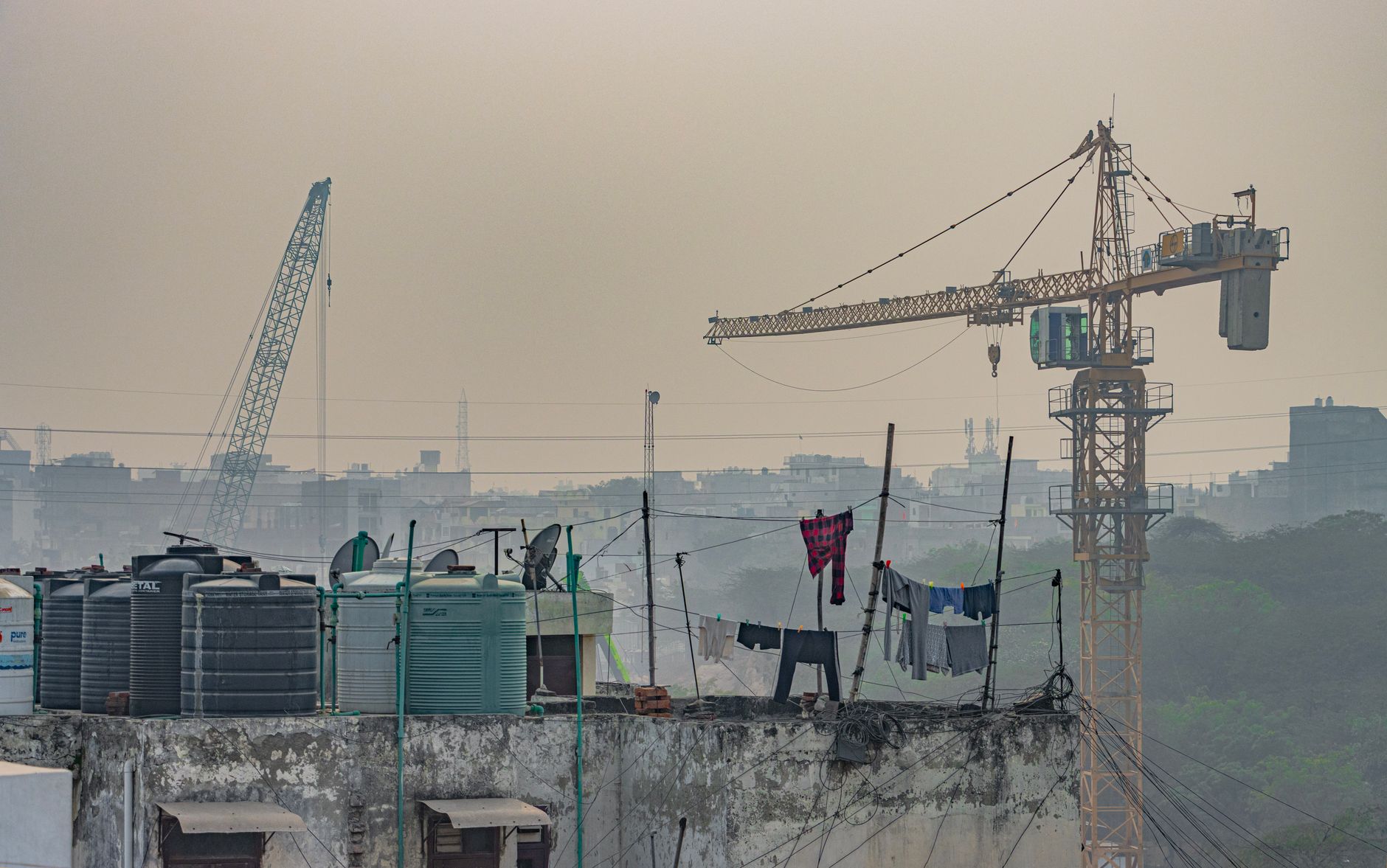
The lush green fields of Bihar are not just the state's pride but also its ongoing challenge. As Chief Minister Nitish Kumar recently declared, Bihar is walking a tightrope between development and environmental preservation. It's a balancing act that could define the state's future.
At a recent press conference, the Chief Minister underscored the importance of integrating environmental considerations into the state's development policies. 'Bihar is committed to a path of sustainable growth,' he stated, highlighting initiatives aimed at reducing carbon footprints and promoting green energy.
Bihar's ambitious development agenda has been under scrutiny, especially as the state looks to boost infrastructure and industrialisation. Critics argue that rapid development could lead to environmental degradation, a concern Kumar addressed head-on. 'We must ensure that our progress does not come at the expense of our environment,' he added.
Challenges and Opportunities
The challenge is significant. Bihar is one of India's most densely populated states, and its economy relies heavily on agriculture. Any environmental policy must take into account the livelihoods of millions who depend on the land. Yet, this dependency also presents an opportunity. With the right policies, Bihar could lead the way in sustainable agricultural practices, turning its vast fields into a model of eco-friendly farming.
Moreover, Bihar's approach could influence other states grappling with similar issues. The Chief Minister's vision aligns with a broader global movement towards valuing natural resources not just in economic terms but as essential components of a sustainable future.
A Model for Others?
While the path forward is fraught with challenges, Bihar's commitment to balancing development with environmental needs could serve as a blueprint for others. In an era where climate change is an ever-present threat, how states like Bihar respond could have lasting implications for the entire country.
Ultimately, the success of Bihar's strategy will depend on its ability to effectively implement policies that marry growth with ecological preservation. If successful, it will not only benefit Bihar but could also set a standard for sustainable development across India.