Bihar's Education Minister Calls for Dialogue to Address Student Grievances
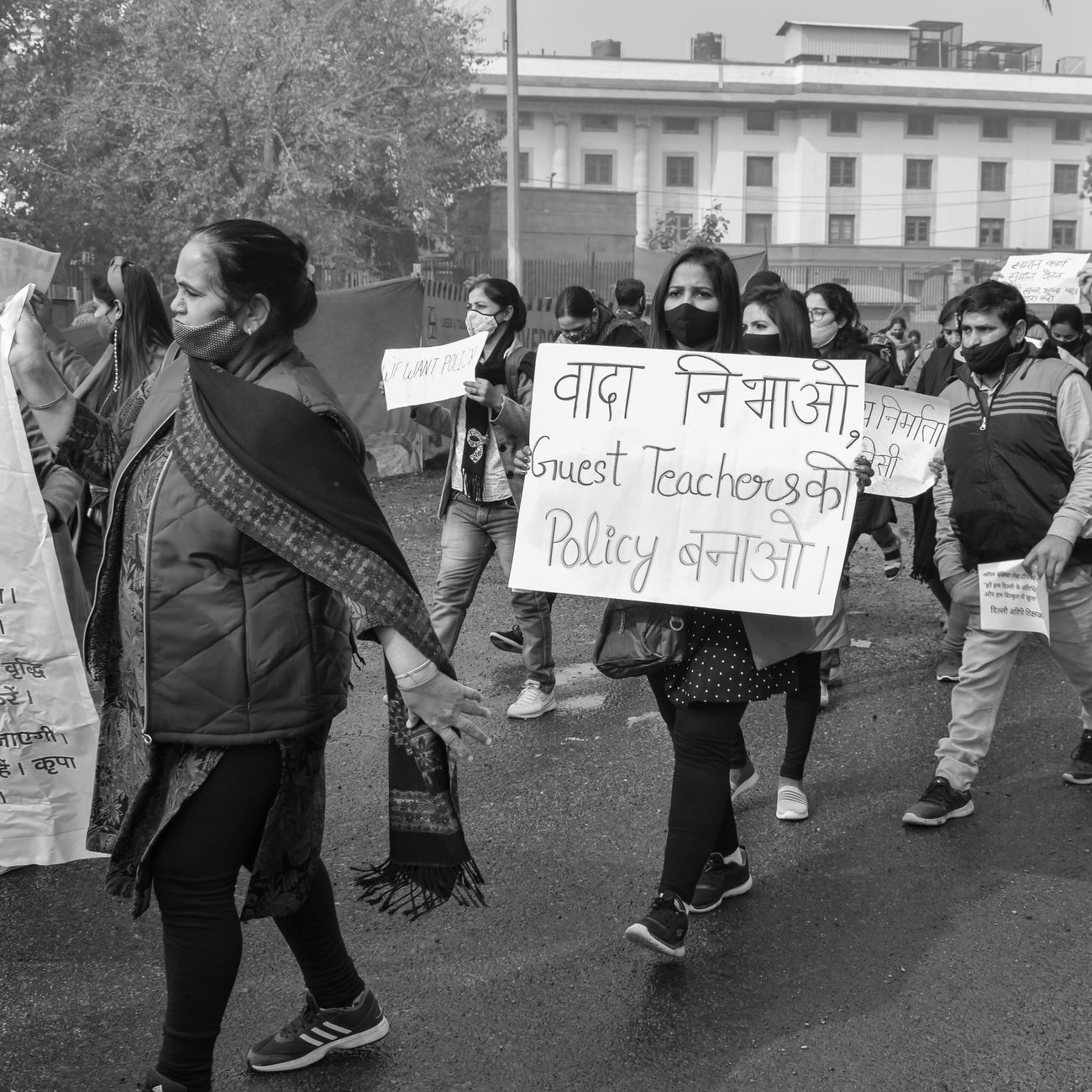
In the wake of recent protests by students of the Bihar Public Service Commission (BPSC), Bihar's Education Minister, Mithilesh Tiwari, has stepped forward to emphasise the government's moral responsibility in addressing the grievances of its youth. This move comes as part of a broader effort to quell unrest and ensure that educational reforms are both heard and acted upon.
Minister Tiwari, speaking with a palpable sense of urgency, assured that the government has already met most of the students' demands. He invited students to engage in dialogue, signalling a willingness to listen and adapt to their needs. 'Our doors remain open for discussion,' he announced, aiming to foster a climate of cooperation rather than confrontation.
The protests, primarily revolving around examination irregularities and administrative delays, have spotlighted systemic issues within the state's educational framework. Tiwari's statement is seen as a response to mounting pressure from both students and parents, who have expressed discontent with the current state of affairs.
Contextual Challenges
Bihar's education sector has long faced challenges, from infrastructural inadequacies to teacher shortages. Recent efforts to reopen educational institutes, following pandemic-induced closures, have been marked by guidelines that aim to ensure safety while resuming in-person learning at 50% capacity. These measures, while necessary, have further highlighted disparities in access and quality of education.
In parallel, Education Minister Vijay Kumar Choudhary has spoken about addressing the issues faced by teachers, urging them to focus on delivering quality education. This dual focus on students and teachers suggests a comprehensive approach to educational reform, even as challenges remain manifold.
A Path Forward
For students, the minister's invitation to dialogue represents a potential turning point. It offers a platform to voice concerns directly and to be part of the solution-making process. However, the efficacy of such dialogues will depend largely on sustained governmental commitment and transparent action plans.
As Bihar navigates these educational reforms, the state government must balance immediate responses to student demands with long-term strategies for systemic improvement. The coming months will test the resolve of both the administration and the educational community in transforming dialogue into action.