Bihar's Green March: Development in Harmony with Nature
Bihar, often portrayed as one of India's most densely populated states, is charting an ambitious path towards sustainable development. Its Chief Minister, Samrat Choudhary, has articulated a vision that marries economic growth with ecological preservation. Speaking to a cycling team embodying the theme 'Prakriti Hi Prabhu Hai' (Nature is Supreme), he underscored the state's commitment to green energy, eco-tourism, and river conservation.
Choudhary, who assumed office in April 2026, is no stranger to the challenges of balancing development with environmental stewardship. His administration's efforts are underscored by the recent release of an 11-point pledge on Bihar Prithvi Diwas, aimed at galvanising public support for conservation. The Chief Minister's call for turning environmental protection into a mass movement is not merely rhetoric; it reflects a strategic shift towards integrating sustainability into the fabric of Bihar's growth narrative.
Eco-tourism and Green Initiatives
The state is investing significantly in eco-tourism, recognising its dual potential to boost the economy and preserve natural habitats. By developing tourist circuits around natural reserves and promoting responsible travel, Bihar aims to showcase its rich biodiversity while ensuring that such activities do not come at the cost of environmental degradation.
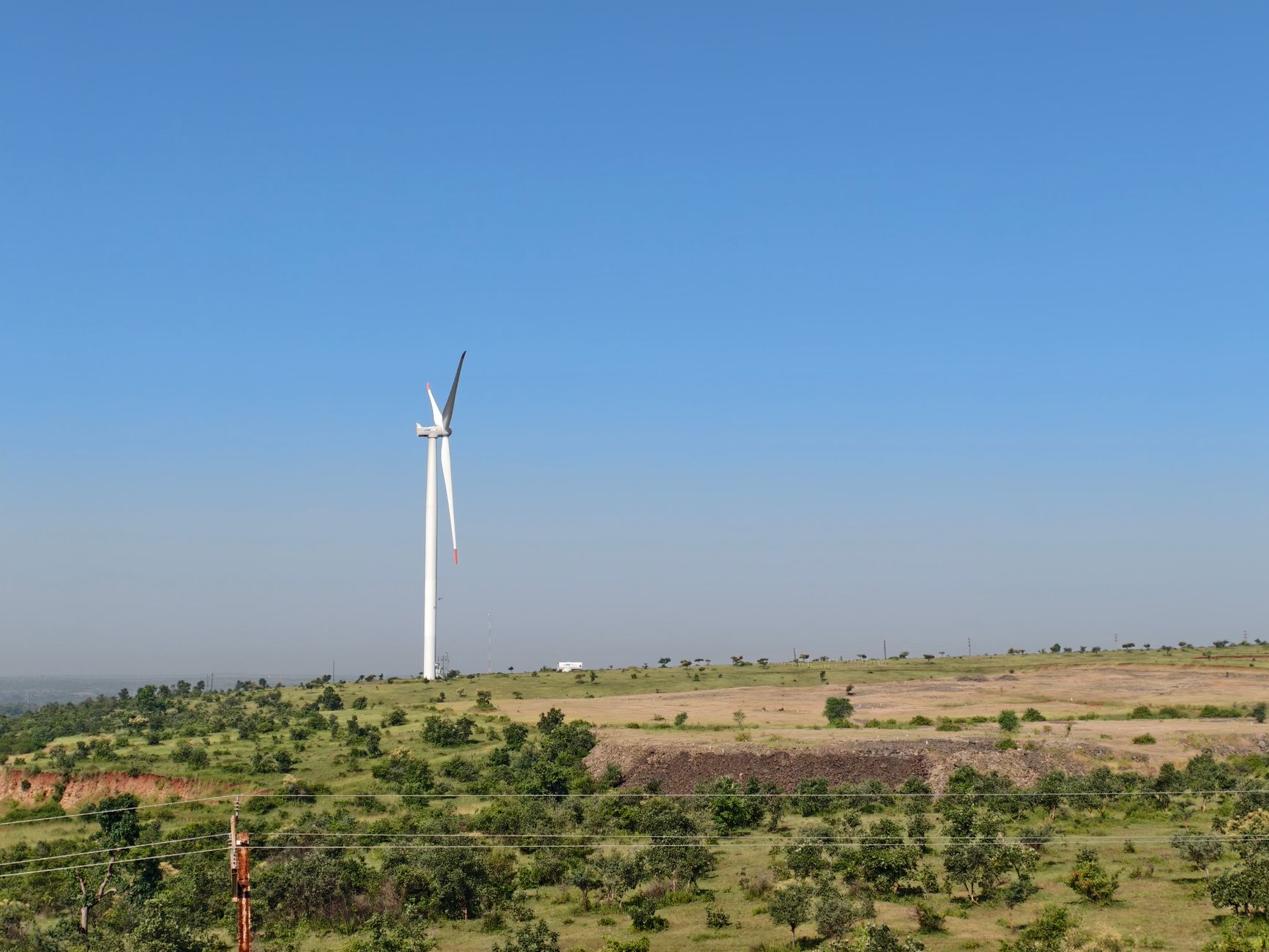
Moreover, green energy projects are being prioritised, with solar and wind power at the forefront. This transition not only addresses the energy needs of the burgeoning population but also positions Bihar as a leader in sustainable energy practices.
Water Conservation and River Projects
Water conservation remains a pivotal component of this green agenda. The state has embarked on various river projects aimed at restoring and maintaining the health of its waterways. These initiatives are crucial, given the historical and agricultural significance of rivers like the Ganges and its tributaries to the region's socio-economic fabric.
Choudhary's approach is inclusive, involving local communities as stakeholders in conservation efforts. By fostering a sense of ownership among residents, the state government hopes to ensure long-term success in its environmental initiatives.
In essence, Bihar's strategy represents a paradigm shift towards a model of development that respects and preserves the natural world. As the state advances, it serves as a reminder that economic progress and environmental care are not mutually exclusive, but rather, intertwined paths to a sustainable future.