Bill Gates Sounds Alarm on AI's Threat Beyond Big Tech's Admission
In an era where artificial intelligence is often heralded as the harbinger of progress, Bill Gates has emerged as a voice of caution. The Microsoft co-founder has expressed grave concerns about AI, suggesting that its potential dangers are far more significant than what many tech giants are willing to admit.
Gates's warning comes amidst a backdrop of rapid technological advancements, where AI is increasingly becoming integrated into everyday life. From automating mundane tasks to making sophisticated decisions, AI's capabilities have expanded swiftly. Yet, according to Gates, this very progress harbours the seeds of its own peril.
The Unseen Risks
Gates argues that AI's threat to employment is profound. As machines become capable of performing tasks traditionally done by humans, the risk of widespread job displacement looms large. This could lead to economic upheaval, with industries transformed and millions potentially out of work.
Beyond employment, Gates highlights the existential threat AI poses to humanity itself. As AI systems grow more autonomous, the potential for unintended consequences increases, from minor mishaps to catastrophic failures that could endanger human life.
Big Tech's Reluctance
What troubles Gates even more is the reluctance of tech executives to openly discuss these risks. While acknowledging AI's benefits, many in the industry seem reticent to address the darker implications. Gates suggests this is partly due to the competitive nature of the tech world, where admitting potential pitfalls could affect market positions and investor confidence.
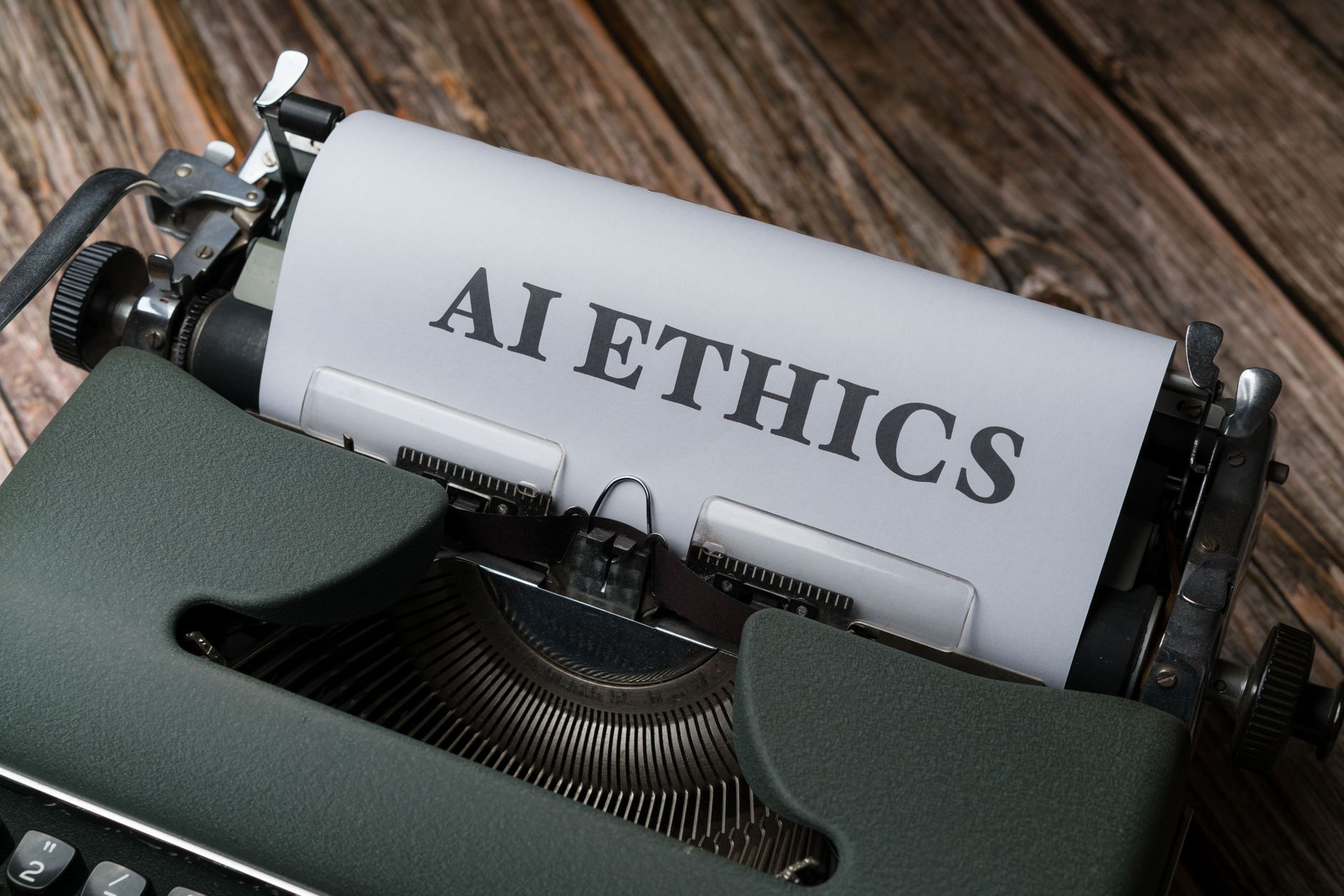
Yet, for Gates, the need for transparency is paramount. He urges for a collective effort to prioritise safety and ethics in AI development, ensuring that the technology's evolution does not outpace our ability to manage its consequences.
As AI continues to shape the future, Gates's call serves as a reminder of the delicate balance between innovation and responsibility. While AI offers unprecedented opportunities, recognising and mitigating its risks is crucial in safeguarding both jobs and human life.