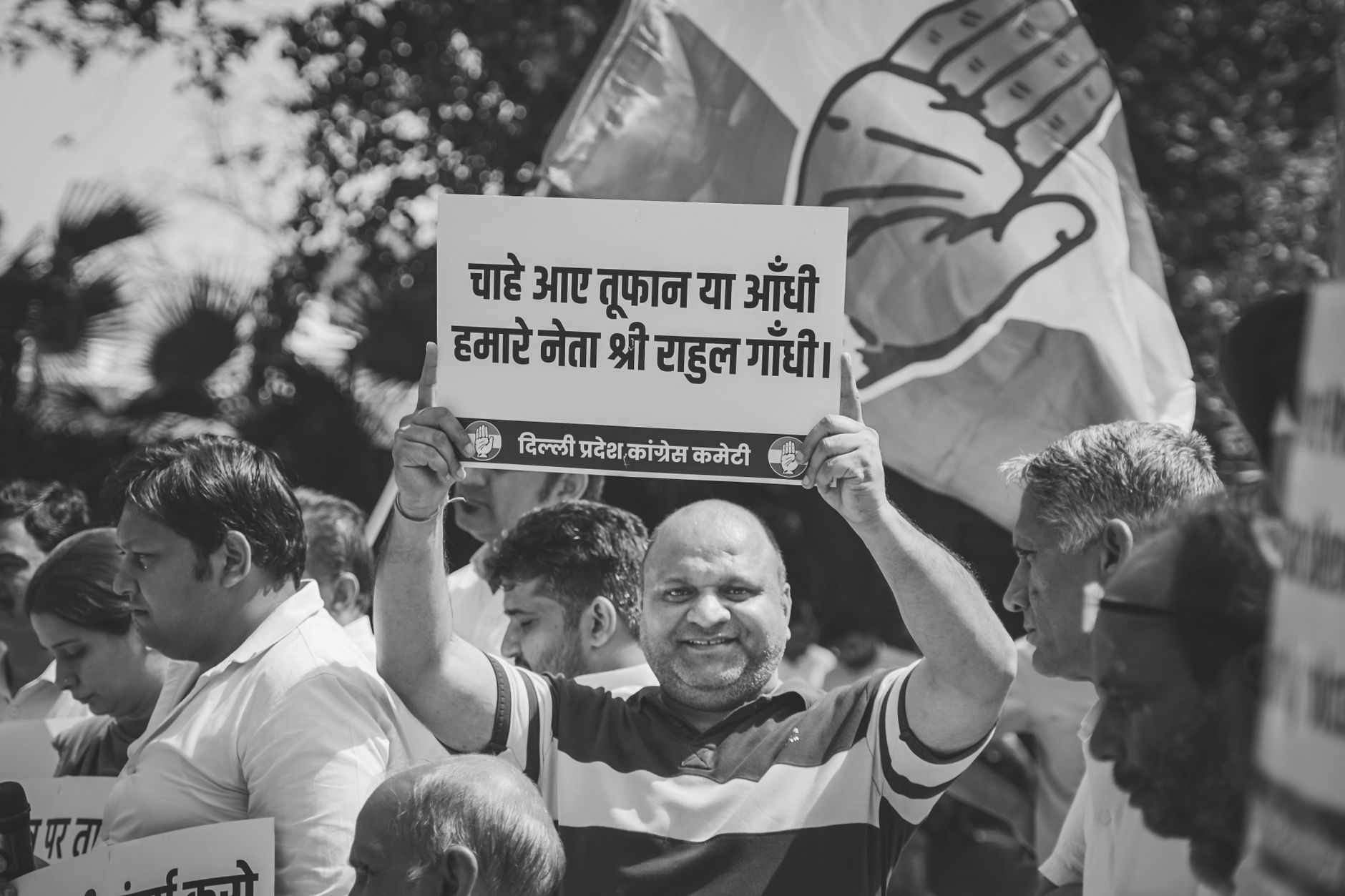
BJP Accuses Congress of Reviving 'Divide and Rule' Tactics
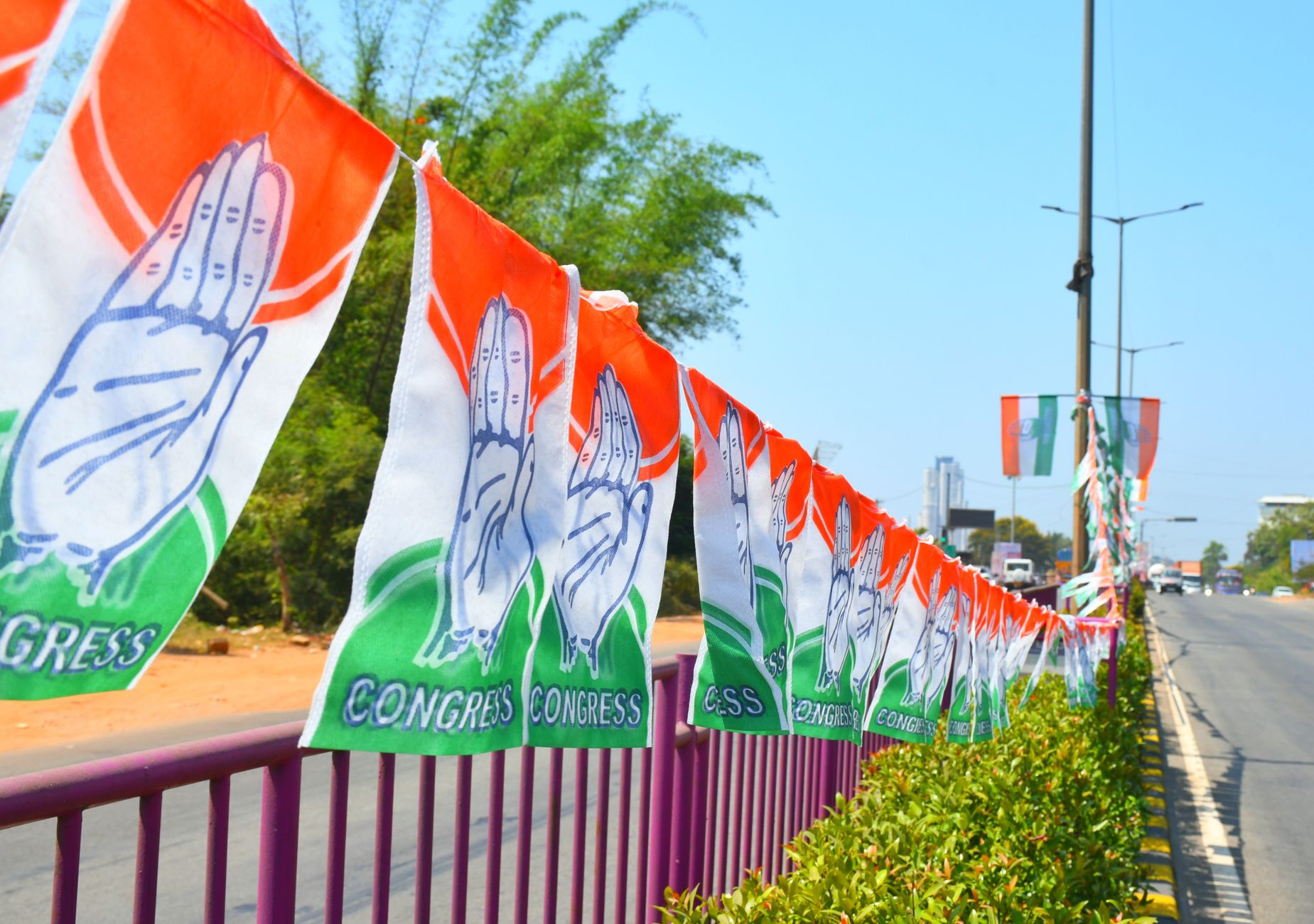
The acrid scent of political rivalry once again permeates the Indian political landscape. On the offensive, the Bharatiya Janata Party (BJP) has launched a stinging critique of its perennial adversary, the Congress. At the heart of this latest political storm is an allegation of divisive tactics aimed at fragmenting Hindu communities to facilitate Muslim rule.
BJP spokesperson and Member of Parliament, Sudhanshu Trivedi, articulated this accusation with a historical nod to the British Raj's notorious 'divide and rule' policy. Trivedi's remarks came during a press conference where he lambasted Congress for what he described as a deliberate strategy to splinter Hindu unity. "Their approach is to divide Hindus for Muslim rule," Trivedi asserted, with a rhetorical flourish that left little room for ambiguity.
A Questionable Constituency Choice
Trivedi's charges were partly anchored in Congress leader Rahul Gandhi's selection of a Muslim-majority constituency to contest elections. According to the BJP, this choice is a calculated move that underscores Congress's alleged strategy of pandering to minority sentiments at the expense of Hindu solidarity.
This accusation is more than mere political theatre; it suggests a deeper malaise within the Indian political discourse. By invoking the spectre of colonial divide and rule, the BJP seeks to frame Congress as a party that compromises national unity for electoral gains. It's a narrative that resonates with those wary of communal tensions.
Historical Echoes and Political Ramifications
The BJP's allegations are not without historical precedent. The British Empire's strategy of sowing discord among Indian communities to maintain control is a well-documented chapter of colonial history. However, the present invocation of this strategy speaks volumes about the current political climate in India.
The Congress, for its part, has not taken these accusations lying down. Party representatives have dismissed the BJP's claims as baseless propaganda designed to distract from pressing national issues. They argue that the BJP's focus on communal divisions is a diversion from economic challenges and governance failures.
As these accusations and counter-accusations fly, the real question remains: what does this mean for the ordinary Indian voter? In a nation as diverse as India, where religion often intertwines with politics, the potential for division is ever-present. The BJP's accusations, whether substantiated or not, highlight the precarious balance of maintaining communal harmony while pursuing political power.