BJP Accuses Rahul Gandhi of Anarchy Over Police Protest
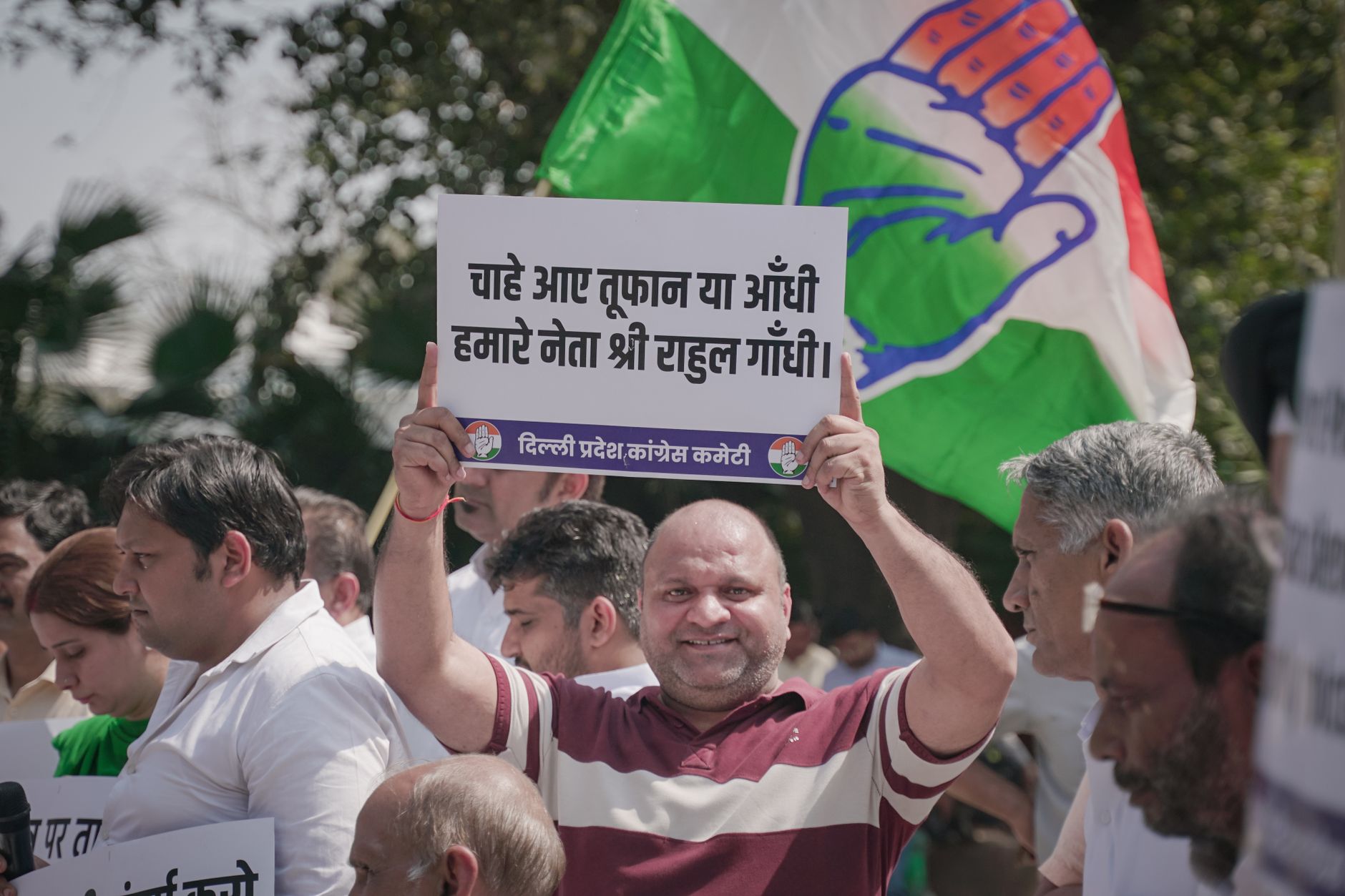
In a dramatic turn of events on Delhi's Parliament Street, Rahul Gandhi, the Congress leader, found himself at the centre of a political storm after staging a protest outside the Deputy Commissioner of Police's office. His demand was simple: action on a complaint involving a pellet gun attack that had allegedly gone unheeded by the authorities.
The Bharatiya Janata Party (BJP), never one to mince words, swiftly branded the protest as a 'politics of anarchy'. They accused Gandhi of inciting disorder by staging the sit-in without prior permission. Ravi Shankar Prasad, a senior BJP leader, lambasted Gandhi's tactics, suggesting that such actions were unbecoming of someone in his political stature.
The incident in question revolves around Sahil Lochav, who claimed that police refused to file an FIR after he lodged a complaint about being attacked with a pellet gun during a protest at Jantar Mantar. The police, however, maintain they are already investigating the matter, rendering Gandhi's protest unnecessary, if not provocative.
Political Strategy or Genuine Protest?
The BJP's narrative paints the Congress's actions as purely strategic, a bid to regain political relevance by manufacturing chaos. Yet, Congress argues that the protest highlights a serious issue of police inaction and negligence. They insist that Gandhi's presence was a move to hold the police accountable, not to incite unrest.
While the BJP and Congress exchange barbs, the heart of the matter remains the alleged police apathy. The lack of an FIR, despite a written complaint from Lochav, raises questions about the efficiency and responsiveness of law enforcement in such sensitive cases. The protest has put a spotlight on these grievances, which might otherwise have been buried under bureaucratic indifference.
Wider Implications
This incident is more than just a political squabble. It underscores a broader narrative about the relationship between political parties and law enforcement in India. The BJP's criticism of the Congress for supposedly inciting anarchy may resonate with their base, yet it also exposes underlying tensions about how justice is administered and perceived.
The Congress, on its part, aims to leverage the situation to highlight what they see as systemic issues within the current administration's handling of police affairs. As both parties dig in for what promises to be a prolonged political skirmish, the real concern—the effectiveness of law enforcement—may well be overshadowed by the political theatrics.
In the end, the debate over 'anarchy' versus 'accountability' will likely persist, keeping the media and political pundits busy for some time. Whether it influences public opinion or changes the status quo remains to be seen.