BJP's Vande Mataram Resolution: A Nod to Gandhi, a Shift from Vote Bank Politics
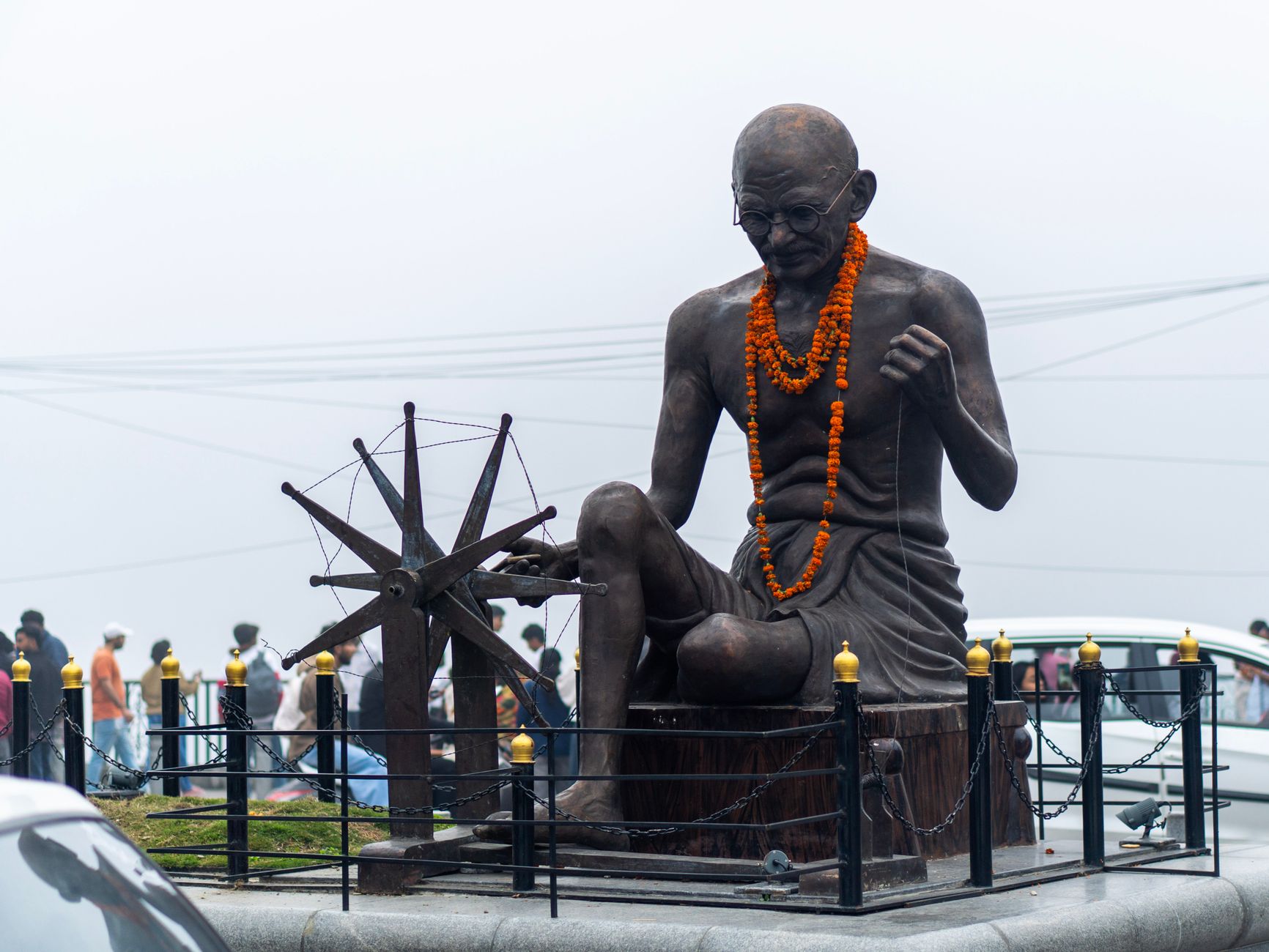
In a move that has left India's political corridors buzzing, the Bharatiya Janata Party (BJP) has unveiled a 10-point resolution centred around the national song, 'Vande Mataram'. At the heart of this proposal lies an ambition to transcend traditional vote bank politics, harking back to the song's roots as an anti-imperialist anthem, famously championed by Mahatma Gandhi.
A Historical Perspective
'Vande Mataram' has long been a symbol of national pride, yet its journey hasn't been without controversy. Originally penned by Bankim Chandra Chatterjee, the song was imbued with fervent anti-colonial sentiment. Mahatma Gandhi himself saw it as a unifying cry against imperial rule. Yet, over the decades, political interpretations have varied, sometimes causing rifts rather than unity.
The BJP's resolution seeks to reclaim this unifying potential. By invoking Gandhi’s vision, the party aims to bind the nation under a common cultural and historical banner. This approach, they argue, moves beyond the fragmentary nature of vote bank politics, which often segments the electorate along religious and caste lines.
Political Implications
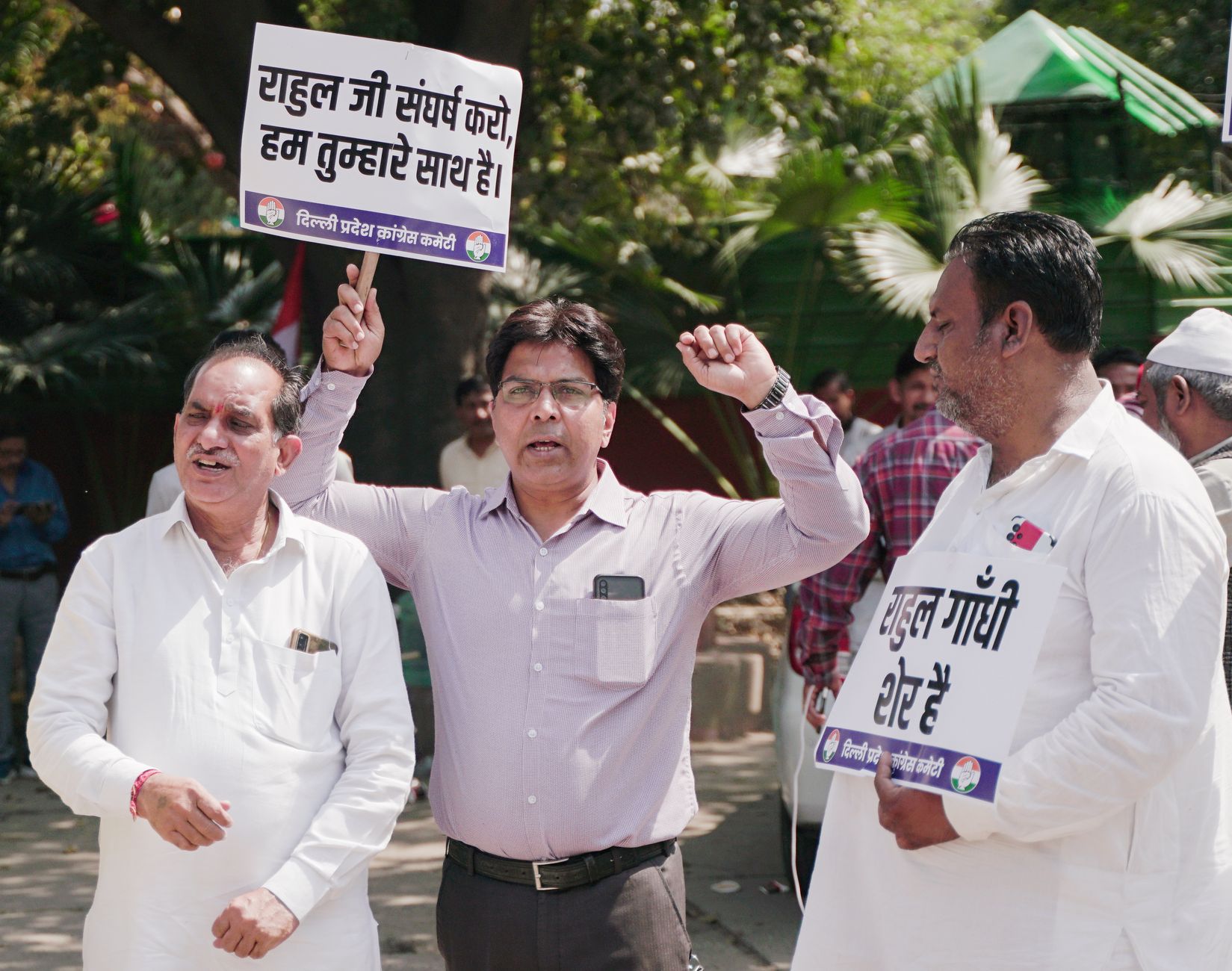
With elections on the horizon, the timing of this resolution is notable. Critics argue that while the BJP's rhetoric appears noble, it may also serve as a strategic manoeuvre to consolidate broader support. The opposition, particularly the Congress party, has been quick to question the sincerity of the BJP's intentions, suggesting that the resolution could be a calculated ploy to sway nationalist sentiments in its favour.
Nonetheless, supporters within the BJP maintain that the resolution is a sincere attempt to foster national unity. They point to the historical significance of 'Vande Mataram' and its capacity to evoke a sense of shared identity and purpose.
A Broader National Discourse
Beyond the immediate political implications, the resolution has reignited a broader discourse on national identity and the role of historical symbols in present-day India. It raises questions about how the nation reconciles its diverse cultural fabric with a singular national narrative.
In the coming weeks, as the resolution is debated across political platforms and public forums, its true impact—whether as a unifying force or a divisive tactic—will become clearer. For now, 'Vande Mataram' once again finds itself at the centre of the Indian political stage, echoing the complexities of a nation still navigating its post-colonial identity.