
Black Hole's Belch: Astronomers Witness Stellar Remains Ejected
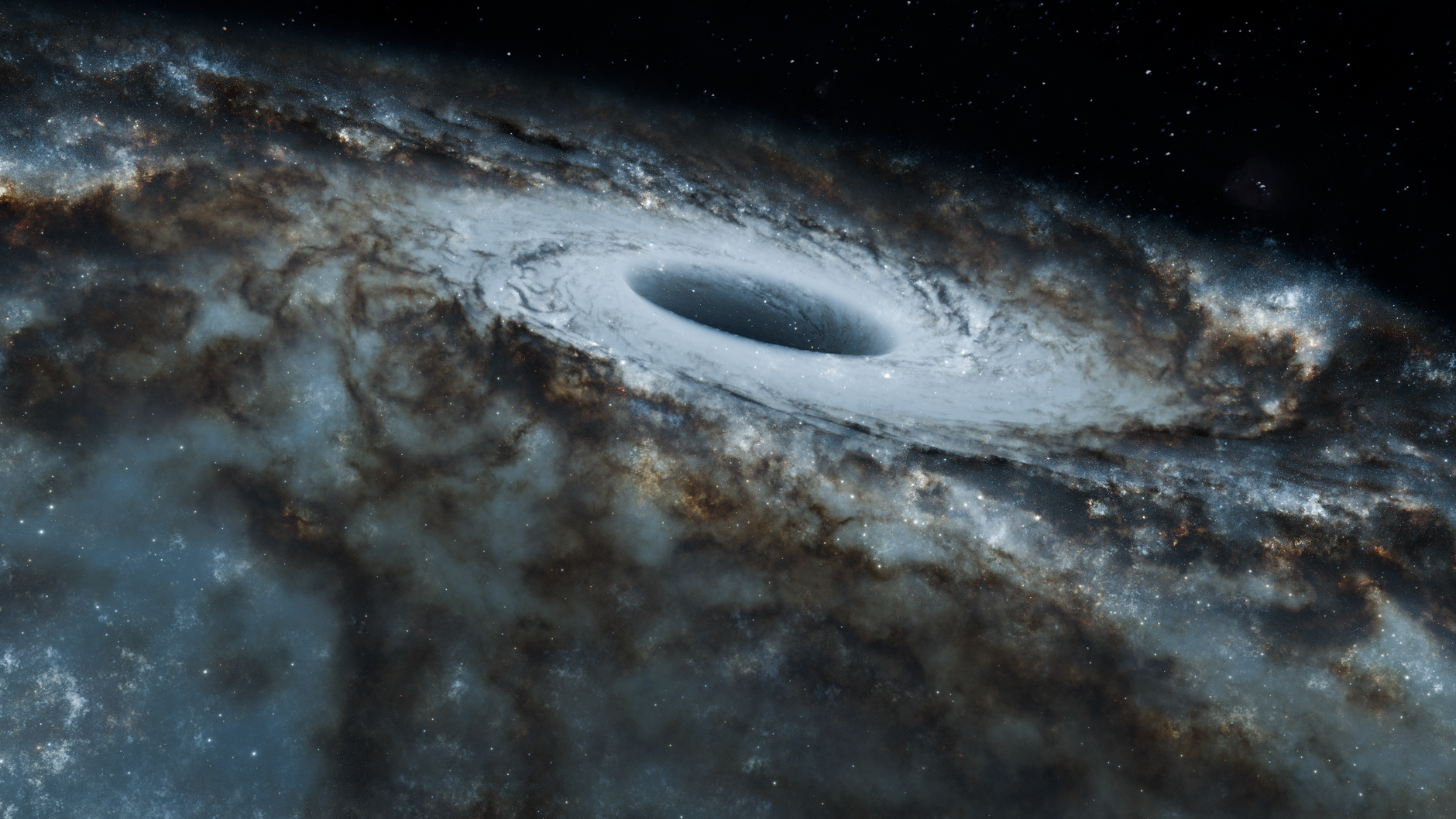
In the vast, enigmatic theatre of the cosmos, black holes have long held a reputation for their voracious and mysterious appetites. Recent observations, however, have thrown light on an equally intriguing aspect of these celestial giants: their propensity to 'burp' stellar material long after a substantial meal. This phenomenon, witnessed for the first time, has captivated scientists and challenged preconceived notions about black hole behaviour.
Back in October 2018, a small star met its untimely demise, lured too close to a supermassive black hole in a galaxy some 665 million light years from Earth. As is customary in such cosmic tragedies, the star was torn apart in a tidal disruption event, with parts of it being consumed by the black hole. Yet, in a curious twist, the stellar remnants did not all vanish into the abyss. Years later, astronomers have observed these remnants being ejected in powerful jets, a telltale sign of the black hole's 'burp'.
These jets, composed of high-energy particles, are a reminder of the chaotic and messy eating habits of black holes. Unlike their terrestrial counterparts, black holes do not digest their meals discreetly. Instead, they occasionally spew forth stellar remains, an occurrence that has now been documented in the journal of astrophysical phenomena.
Galactic Implications
This discovery is not merely an academic curiosity. It offers profound insights into the life cycles of galaxies. Black holes, often residing at the heart of galaxies, exert significant influence over their environments. By launching these jets, they can affect star formation, redistribute interstellar material, and shape the very structure of their host galaxies. Understanding these processes is vital for deciphering the history and evolution of the universe itself.
The recent observations have also sparked discussions among astronomers about the nature of these 'burps'. Are they a regular feature of black hole life cycles, or do they occur only under specific conditions? As telescopes become more sophisticated and data more abundant, the astronomy community hopes to answer these questions, unveiling further the secrets of the universe.


