Blending Tradition and Technology: The Future of Manufacturing
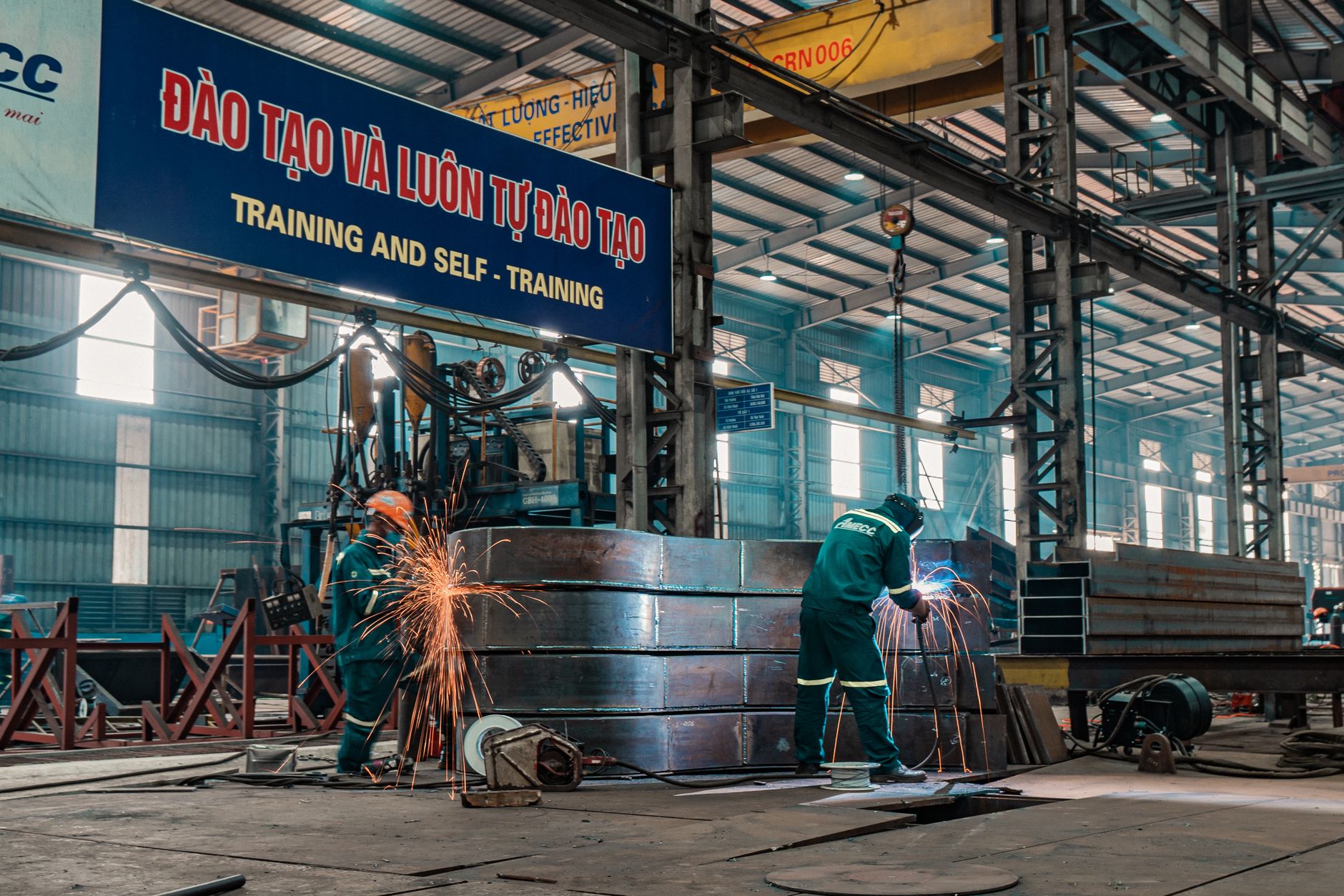
As factories hum with the rhythm of automation and robotics, a less visible but equally profound transformation is taking place. The manufacturing sector is in the midst of a renaissance, where the fusion of cutting-edge technology and age-old craftsmanship is reshaping the industry’s workforce.
Today’s manufacturers are tasked with the challenge of bridging a significant skills gap. An ageing workforce is gradually retiring, and the younger generation is being called upon to step up. However, they face a learning curve that requires more than just familiarity with machines and software; it demands a nuanced understanding of traditional skills that have been the bedrock of manufacturing for decades.
The Skills Gap
The gap is not merely a consequence of technological advancement but also an outcome of inadequate training programmes that have historically emphasised technical skills over soft skills. Only a third of manufacturing employees report receiving training that includes both technical and interpersonal skills. This shortfall is felt most acutely among younger workers, particularly those from Generation Z, who find themselves underprepared for the interpersonal demands of the workplace.
To address this, firms are turning to innovative training solutions. Programmes that integrate technology with hands-on experience are being developed to equip young workers with the skills necessary to thrive in a modern industrial environment. This approach not only prepares them for the digital demands of the job but also instils the invaluable art of craftsmanship—an art that requires patience, precision, and a deep respect for materials and processes.
Industry Partnerships and Education
Collaborative efforts between educational institutions and industry leaders are proving pivotal. By fostering partnerships, companies are able to influence curricula that better reflect the realities of the manufacturing floor. This collaboration ensures that trainees are not only adept at handling sophisticated machinery but also skilled in problem-solving, critical thinking, and effective communication.
Moreover, early education initiatives are vital. Introducing students to manufacturing through school programmes and apprenticeships provides them with a clearer understanding of the sector's opportunities and challenges, thus igniting a passion for careers that merge technology with tradition.
As the manufacturing sector continues to evolve, the integration of technology with age-old skills will be key to its success. By investing in comprehensive training programmes, firms can create a workforce that is as adept with a spanner as it is with a sensor, ensuring the industry remains vibrant and competitive in the years to come.