Bolivia's Cloud Forest Reveals a New Feline Species
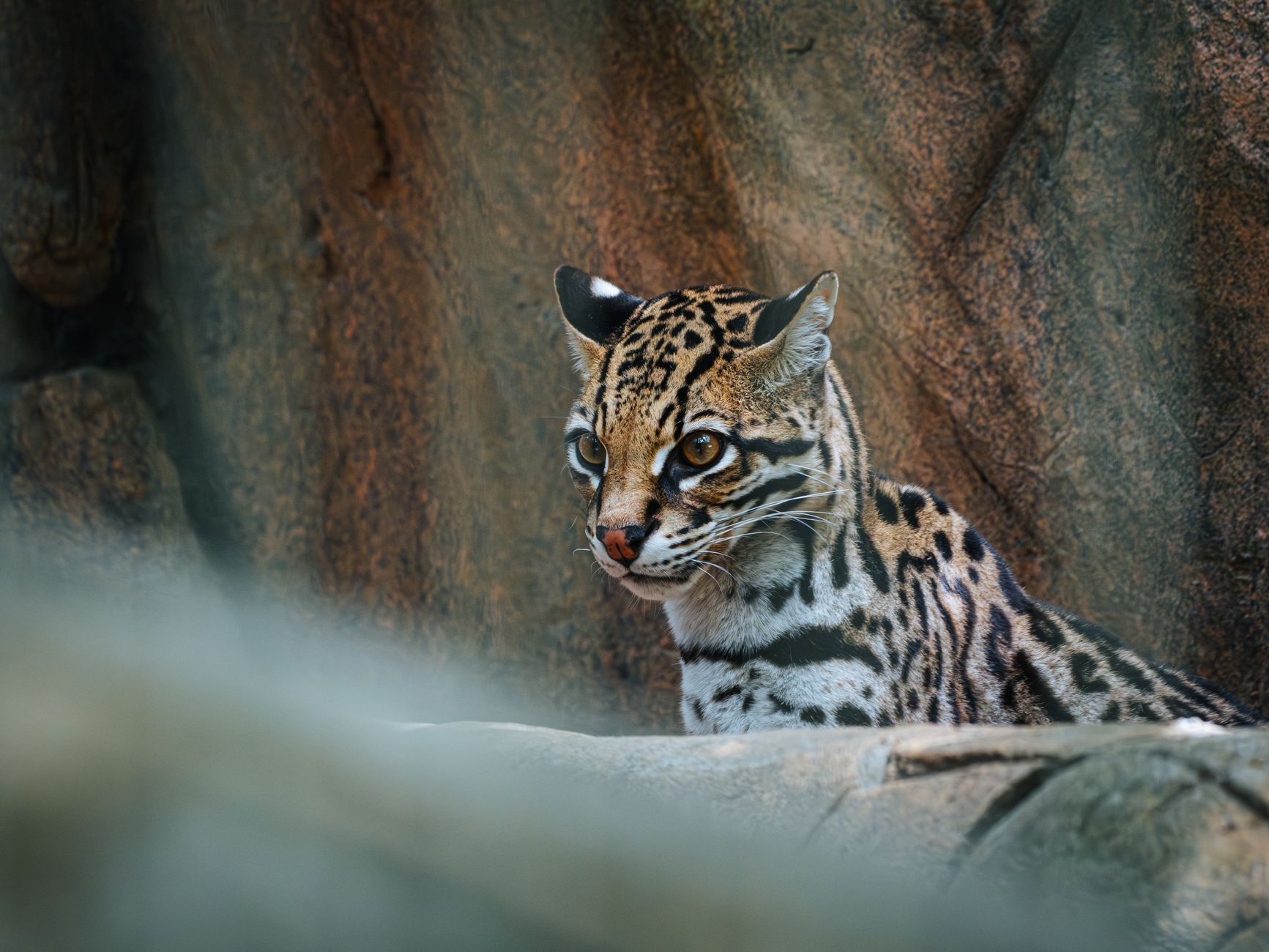
In a remarkable turn of events, scientists have unveiled a new feline species nestled within the cloud forests of Bolivia, a revelation that has sent ripples of excitement through the scientific community. Dubbed Leopardus tilcayo, this diminutive wildcat is a striking addition to the South American tiger-cat group. Its discovery marks a rare moment in zoological history, as it is the first time a new living cat species has been formally identified in over a century.
Leopardus tilcayo, with its distinctive spotted coat, is smaller than the average domestic cat and inhabits the lush, misty forests of the Yungas region. The area is known for its rich biodiversity, but even seasoned researchers were surprised by the emergence of an entirely new species. The cat was identified through a comprehensive study led by National Geographic Explorer Paola Nogales Ascarrunz, who painstakingly documented its unique characteristics.
For over a hundred years, the last new feline species to be named was the Pampas cat, in 1923. The discovery of the tilcayo is not only a triumph for taxonomy but also highlights the ecological richness of Bolivia's cloud forests, which remain some of the most biodiverse yet under-researched areas on the planet.
The Importance of This Discovery
The identification of Leopardus tilcayo is a reminder of the hidden wonders that still await in the natural world. It underscores the necessity of preserving these fragile ecosystems, which are under threat from deforestation and climate change. As scientists continue to explore these remote habitats, each discovery holds the potential to enhance our understanding of biodiversity and the evolutionary processes that shape it.
While the world grapples with biodiversity loss on a massive scale, the emergence of a new species offers a glimmer of hope. It is a testament to nature's resilience and the endless curiosity that drives scientific exploration.