Bosnia's Complex Election Poses Challenges and Opportunities
In the heart of the Balkans, Bosnia and Herzegovina embarked on one of the world's most intricate electoral processes this Sunday. As polling stations opened their doors, voters were not only choosing representatives but also navigating a labyrinth of political structures that reflect the country's complex historical and ethnic tapestry.
The election revolves around the tripartite presidency, a unique arrangement designed to ensure representation for Bosnia's three major ethnic groups: Bosniaks, Croats, and Serbs. In the Republika Srpska, voters cast their ballots for the Serb member of the presidency, whereas those in the Federation of Bosnia and Herzegovina decide between Bosniak and Croat candidates. This system, while aimed at maintaining peace and balance, often complicates governance and policy-making.
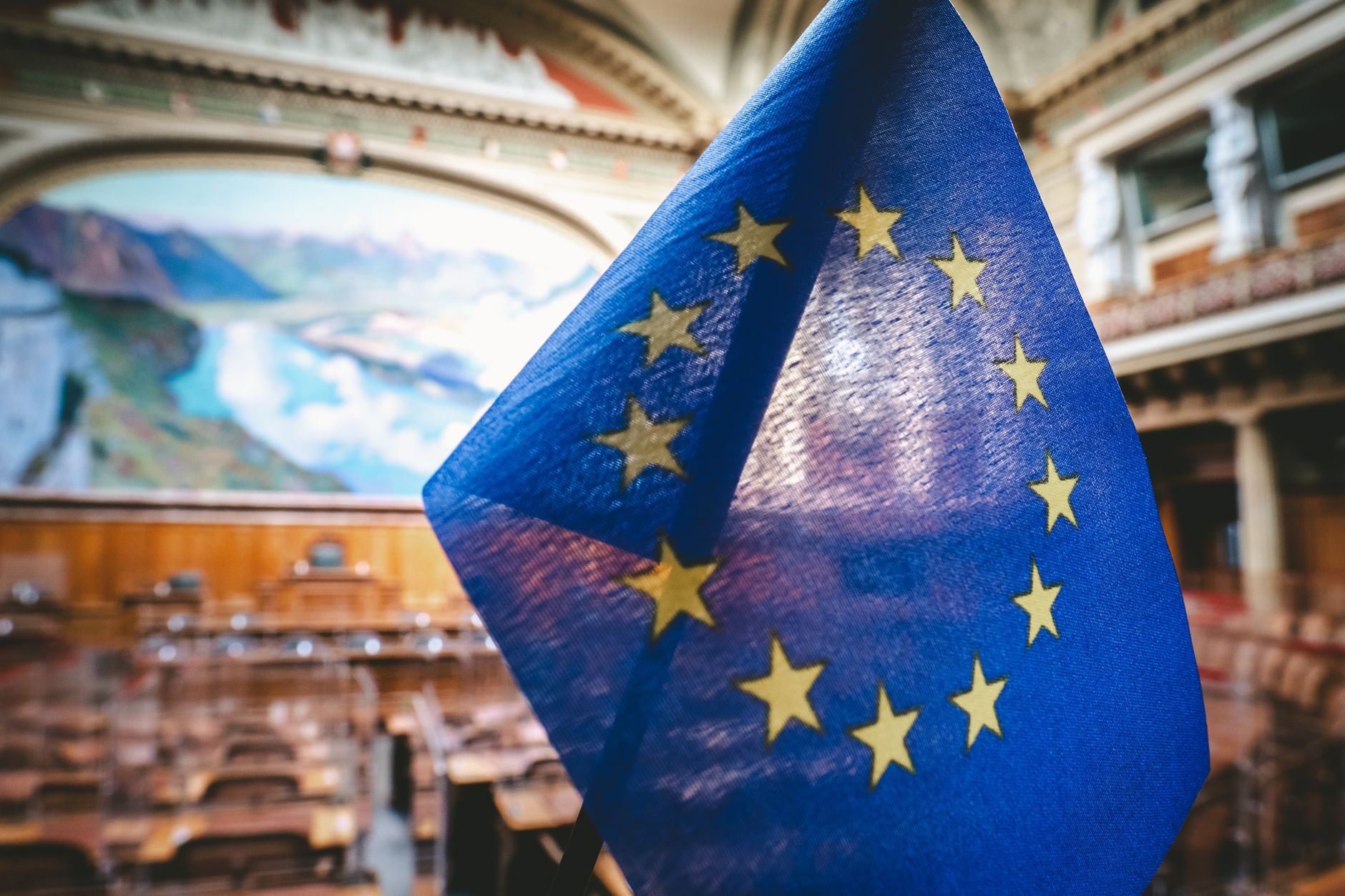
At stake is not only the day-to-day governance but also Bosnia's long-term strategic goals, such as its bid for European Union membership. The EU has long viewed the integration of Balkan countries as vital for regional stability, but the intricate political dynamics in Bosnia often slow down progress. This election could either bolster or hinder those aspirations, depending on the resulting leadership's ability to foster unity and reform.
Voters' priorities, however, seem to lean towards immediate concerns. Issues such as unemployment, corruption, and economic stagnation dominate the public discourse. While the political elite debates the lofty ideals of EU membership, the average Bosnian grapples with the harsh realities of everyday life.
As the ballots are counted, the international community watches closely. The outcome will not only define the domestic agenda but also signal to Europe and beyond how Bosnia is positioning itself in a rapidly changing geopolitical landscape. For now, all eyes are on the voters, who hold the power to chart a new course for their nation's future.