BP's Historic Exit from North Sea Marks End of an Era
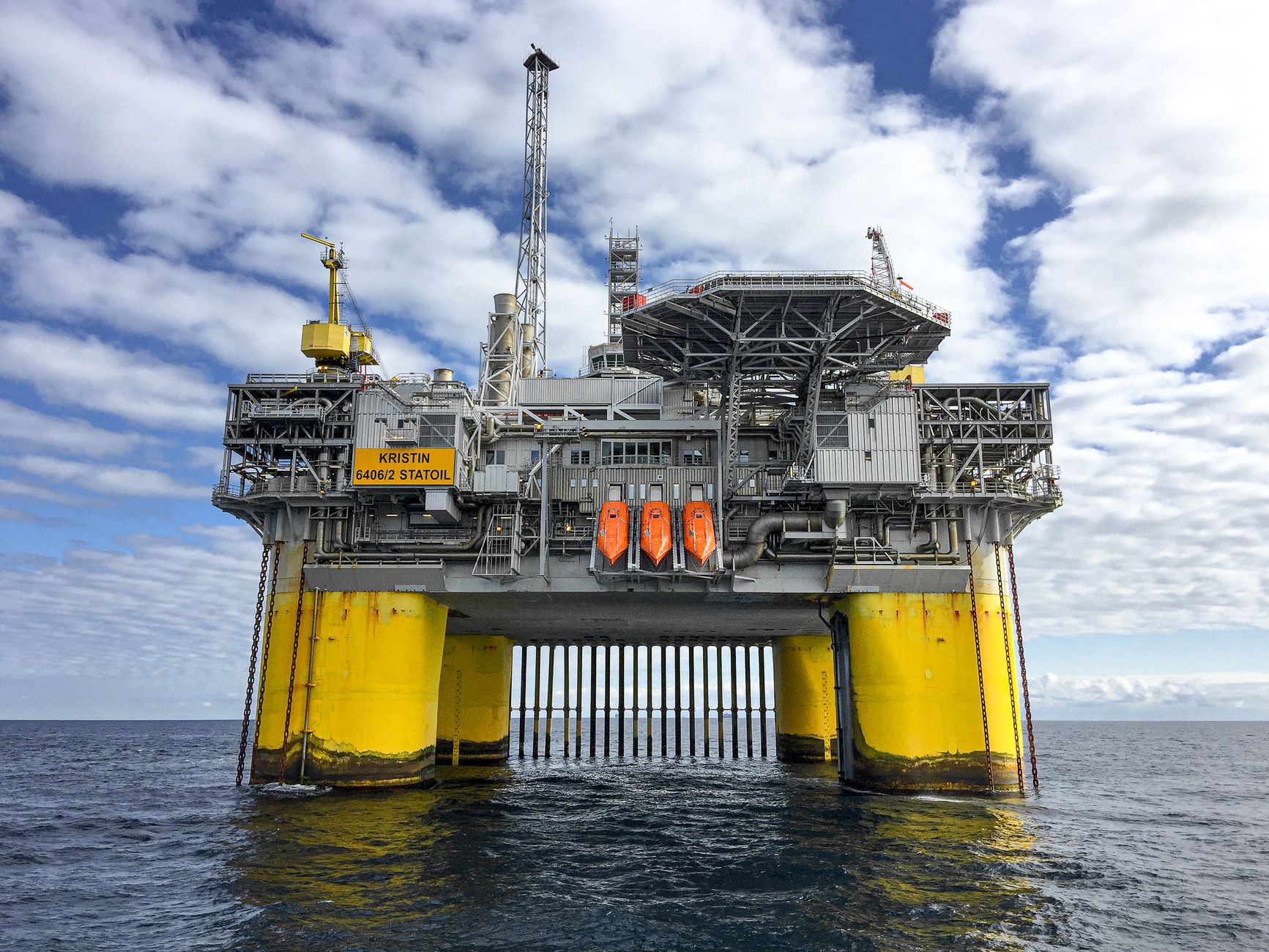
In a move that signals the end of an illustrious chapter, BP has put its UK North Sea business up for sale. This decision concludes a storied 60-year tenure in the region, where the company pioneered exploration and production, transforming the North Sea into a cornerstone of Britain's energy independence.
The announcement comes as Meg O'Neill, BP's new chief executive, embarks on an ambitious restructuring plan aimed at simplifying the company's sprawling operations and reducing its debt burden. This strategic pivot reflects a broader trend among oil majors to recalibrate their portfolios in response to evolving energy markets and environmental pressures.
BP's North Sea operations, which include five production hubs and a workforce of approximately 1,100, have been a significant contributor to the UK's oil and gas output. At its peak, the company extracted as much as 117,000 barrels of oil equivalent per day. However, with the energy sector undergoing a rapid transformation, the profitability and strategic relevance of such traditional operations have come under scrutiny.
Historically, BP's journey in the North Sea began in 1964 with its first licence, followed by the discovery of the West Sole gasfield in 1965 and the monumental Forties field in 1970. These developments not only underscored BP's role as a leader in offshore drilling but also cemented the North Sea's status as a vital energy reservoir for the UK.
A New Direction
O'Neill's decision to divest from the North Sea is seen as part of a larger strategy to refocus BP's efforts on sustainable energy sources. As the world grapples with climate change and the transition to greener energy, oil giants like BP are under pressure to innovate and adapt. By shedding older, less sustainable assets, the company aims to position itself at the forefront of this energy transition.
The sale process, which has now been formally launched, will undoubtedly attract interest from various quarters. Potential buyers may range from other energy firms looking to bolster their North Sea presence to private equity groups keen on acquiring mature assets.
While the move marks the end of an era, it also opens a new chapter for BP as it navigates the complex interplay of traditional energy demands and the inexorable push towards a low-carbon future.