Breakthrough Discovery Links Brain Region to High Blood Pressure
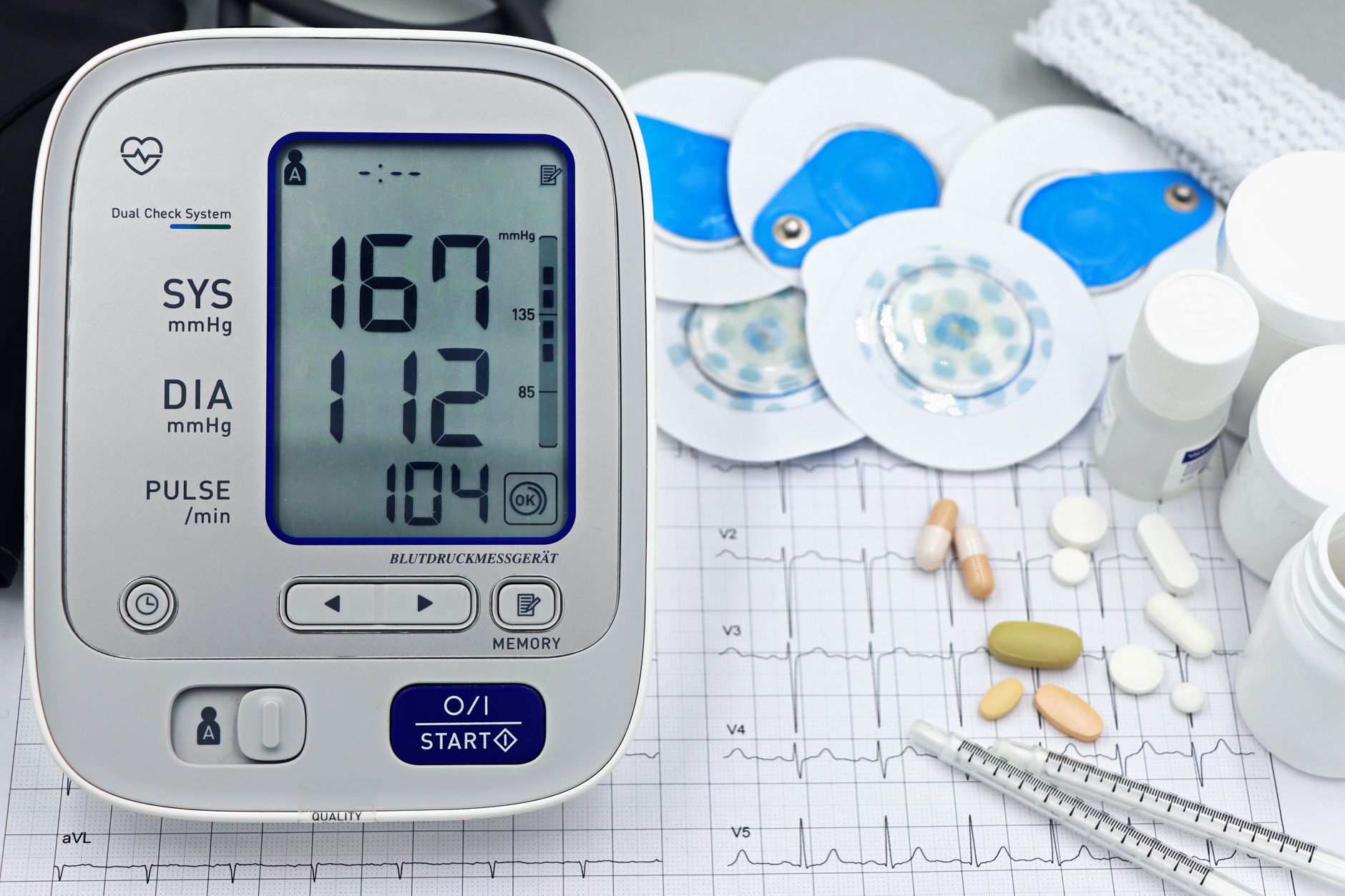
In a revelation that could reshape our understanding of hypertension, scientists have identified a specific brain region potentially responsible for high blood pressure, a condition notoriously known as the 'silent killer'. This breakthrough not only suggests a new cause but also a promising method to treat it, particularly for those suffering from resistant hypertension.
High blood pressure affects millions worldwide, often without noticeable symptoms until severe complications arise. It is a leading risk factor for heart disease, stroke, and kidney failure. Traditionally, hypertension is managed with lifestyle changes and medication, but around 20% of patients remain unresponsive to these interventions, classified as resistant hypertension.
The study, conducted by a team of neuroscientists, points to a hitherto overlooked area of the brain. Researchers have long known that the brain plays a role in regulating blood pressure but pinpointing specific regions has been challenging. This discovery could pave the way for targeted therapies, offering hope to those who have struggled with the condition's elusive nature.
The Brain's Role Unveiled
By employing advanced imaging techniques, the team observed abnormal activity in this particular brain region among subjects with high blood pressure. This activity appears to interfere with the normal signals that regulate cardiovascular function. The implications are significant: by modulating this brain region, it might be possible to restore normal blood pressure levels.
Dr. Eleanor Carter, lead researcher, remarked, "Our findings suggest that the brain's involvement in blood pressure regulation is more complex than previously understood. This opens up new avenues for treatment, especially for those whose hypertension is resistant to traditional methods."
A Glimpse into the Future
While the study is still in its early stages, the potential for clinical application is immense. Future research will focus on developing non-invasive techniques to influence this brain region, possibly through medication or neuromodulation therapies.
This discovery represents a beacon of hope for millions worldwide who live with the constant threat of hypertension-related complications. It underscores the importance of continued research into the brain's complex role in bodily functions, an area ripe for further exploration.
As scientists delve deeper into the brain's mysteries, the prospect of effectively treating resistant hypertension seems closer than ever, offering a lifeline to those in desperate need.