Breakthrough in Dark Matter Quest: A Glimmer from the Abyss
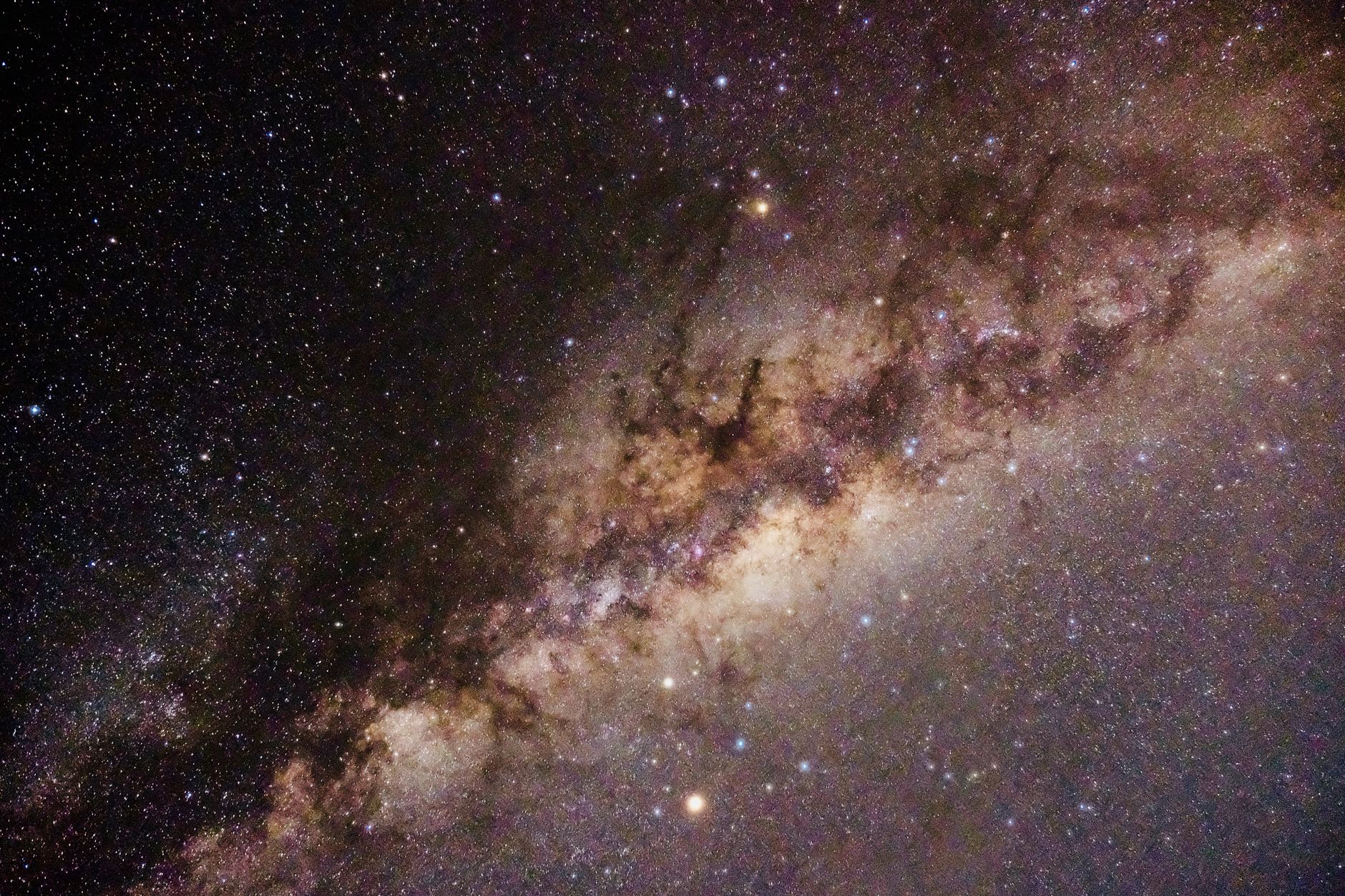
In the shadowy depths of a South Dakota mine, nearly a mile beneath the Earth's surface, scientists have captured what might be the faintest whispers of dark matter, the mysterious substance that pervades the universe but remains imperceptible to the naked eye. This potential breakthrough, while not definitive, has invigorated the scientific community's quest to unearth the secrets of the cosmos.
Dark matter, an enigmatic force, is thought to comprise about 27% of the universe. Its presence is inferred through gravitational effects on visible matter, like stars and galaxies, yet it eludes direct detection. The recent findings from the LZ experiment, an underground detector designed to shield against interference from cosmic rays, suggest possible interactions between dark matter and normal matter, albeit faint and rare.
The Lure of the Unseen
Astrophysicists have long pursued dark matter with fervour, driven by its critical role in the formation of galaxies and cosmic structures. The LZ detector, located deep within the Sanford Underground Research Facility, seeks out the signature flashes of light that may occur when dark matter particles collide with atoms in the detector. These brief flashes are clues, potentially pointing to the elusive particles themselves.
The latest experiments have utilised not only the LZ's advanced detection capabilities but also atomic clocks and ultra-stable lasers to observe minute shifts in time, indicative of hidden dark matter waves. This multi-faceted approach is crucial, as it allows for the filtering out of noise from interactions caused by ordinary matter, thereby honing in on the rare signals that could indicate dark matter's presence.
A Step Closer to Cosmic Clarity
While the scientific community remains cautious, the implications of these findings are profound. Should further research confirm these initial observations, it could revolutionise our understanding of the universe's architecture, offering insights into the forces that shape it. For now, the pursuit continues, with researchers poised on the brink of potentially rewriting cosmic history.
As the search presses on, this potential breakthrough offers a glimmer of hope that one day, the universe's dark mysteries may be brought to light, reshaping our comprehension of the very fabric of space and time.