Breakthrough in Eye Pressure Monitoring Offers Hope for Glaucoma Patients
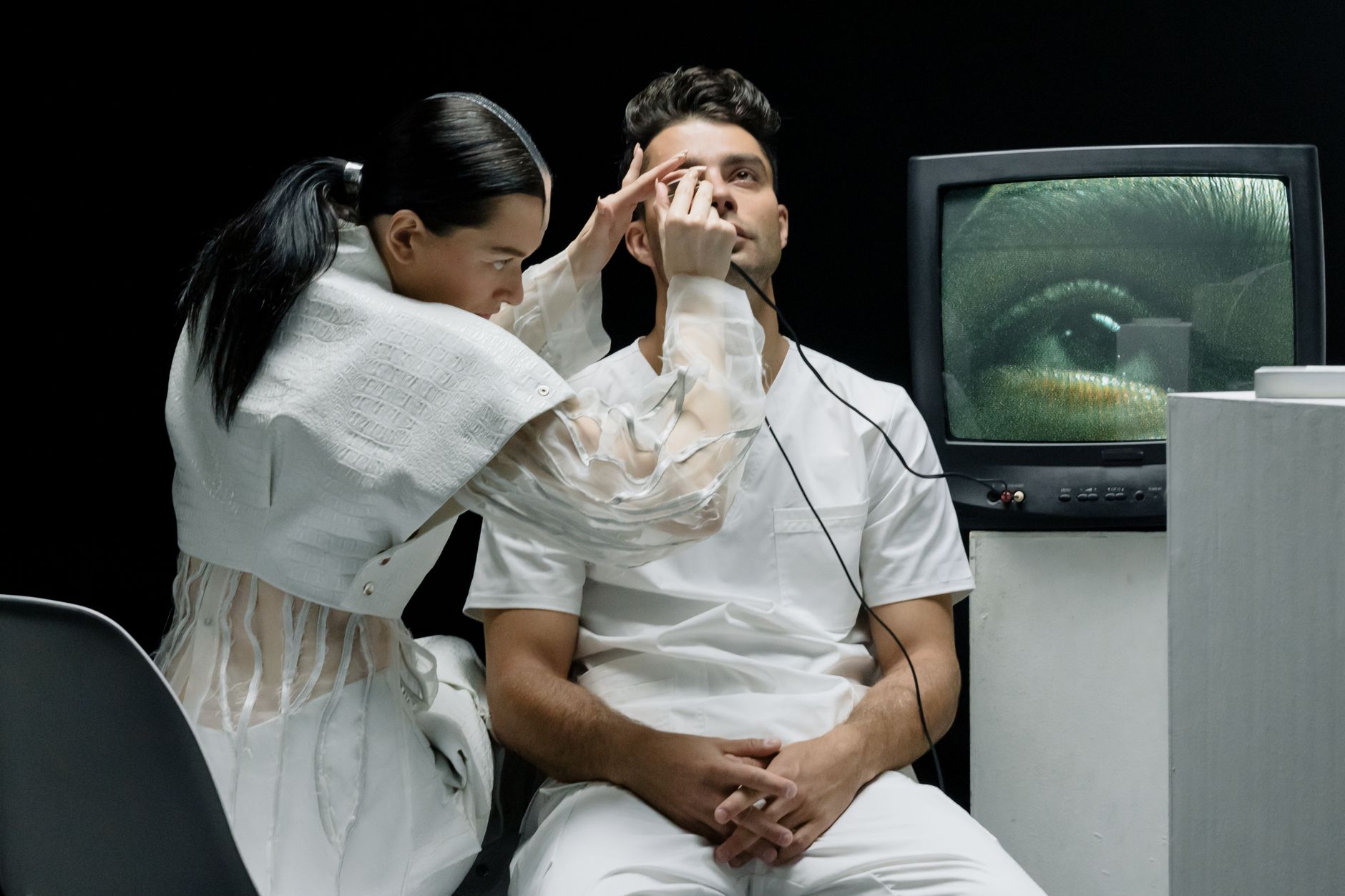
In a remarkable stride towards understanding glaucoma, researchers at the University of South Florida have developed a state-of-the-art wireless eye-pressure monitoring system. This groundbreaking technology shines a light on the intricate connections between the brain, circadian rhythms, and light exposure, offering fresh insights into how these factors influence eye pressure.
Glaucoma, affecting over 70 million people globally, is a leading cause of irreversible blindness. Central to this condition is the regulation of intraocular pressure (IOP), a complex physiological process that has eluded complete scientific understanding—until now.
Revolutionary Insights
The research team, led by Christopher Passaglia, has unearthed compelling evidence linking brain activity with fluctuations in eye pressure. By employing the novel monitoring system, they observed how light exposure and the body's internal clock, or circadian rhythm, play pivotal roles in IOP regulation. This discovery could pave the way for new treatment approaches, potentially transforming the management of glaucoma.
Passaglia commented, "Our findings suggest that eye pressure is not a static measure but rather a dynamic one, influenced by multiple physiological factors. This awareness allows us to explore targeted therapies that could stabilise eye pressure more effectively."
Implications for Treatment
The implications of this research are vast. By better understanding the mechanisms that control eye pressure, medical professionals can develop more precise and effective interventions. This could mean earlier detection and improved prognosis for those at risk of glaucoma.
Moreover, the non-invasive nature of the wireless monitoring system means it could be adopted widely, potentially improving patient comfort and adherence to treatment plans. The integration of such advanced monitoring tools in clinical practice might revolutionise how glaucoma is treated, making it less invasive and more patient-friendly.
As the world grapples with an ageing population, the prevalence of glaucoma is likely to rise. Innovations like this are not just technological feats; they represent hope for millions facing the threat of blindness. The University of South Florida's breakthrough marks a significant leap forward in our quest to preserve vision and improve quality of life for glaucoma patients worldwide.