Breakthrough in Understanding Liver's Failure to Heal Post-Alcohol
The liver, a marvel of resilience among human organs, has long been celebrated for its ability to regenerate after considerable damage. Yet, new research has cast a shadow over this optimism, revealing why the organ may not heal even after the alcohol-induced assault ends.
A team of scientists has identified specific cellular mechanisms that halt the liver's natural repair process. These findings, published after years of rigorous investigation, show that heavy drinking disrupts critical regenerative pathways. Even when alcohol consumption stops, these pathways may remain blocked, leaving the liver unable to recover fully.
The Cellular Sabotage
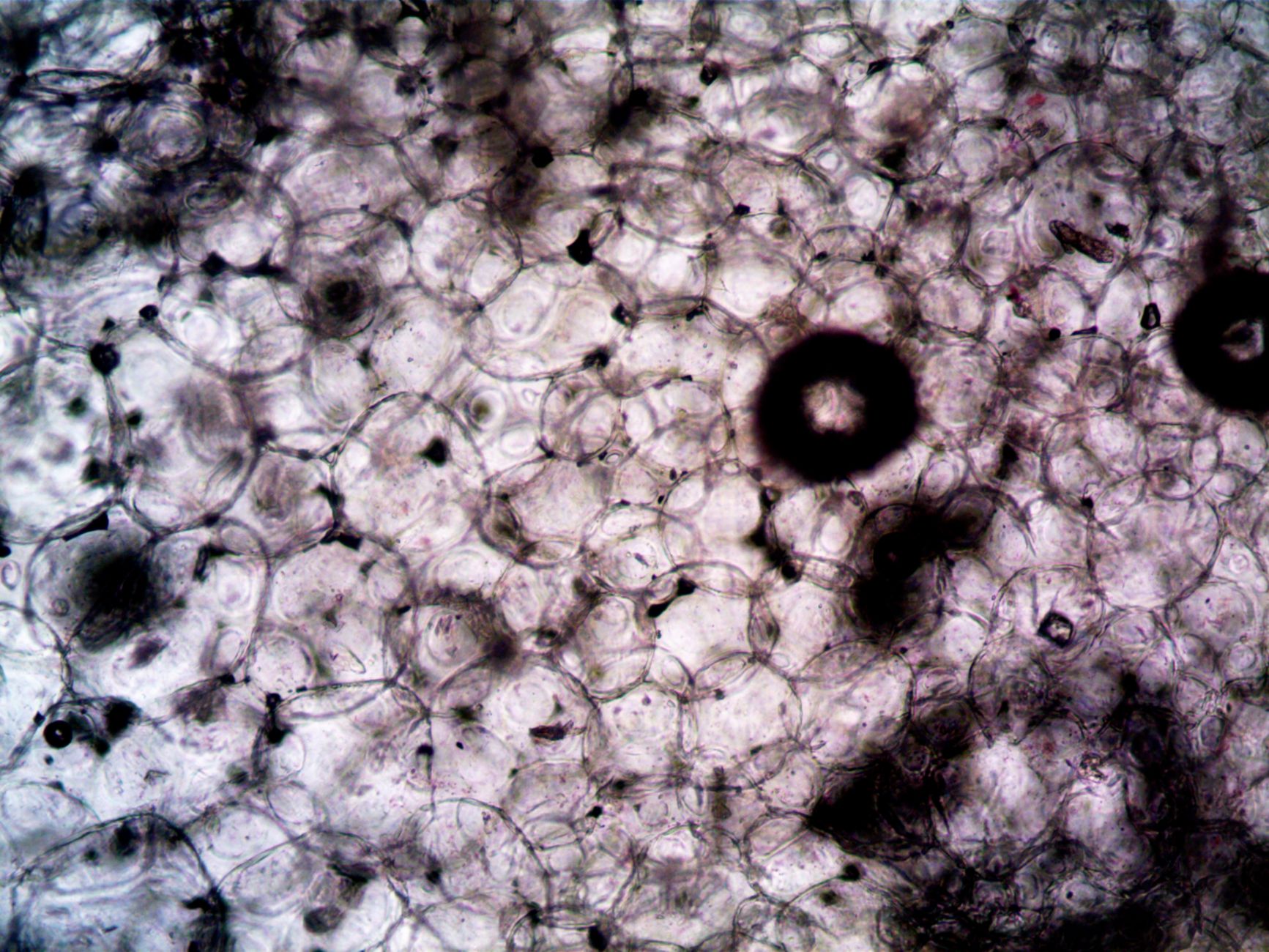
The research highlights that during prolonged alcohol exposure, liver cells undergo changes, losing their ability to proliferate and repair. This cellular identity crisis, as the researchers describe it, prevents the liver from organising a successful recovery even in the absence of alcohol.
Lead researcher Dr. Emily Carter explains, "Our study shows that alcohol can cause lasting changes at a cellular level, which impede regeneration. It’s not just about stopping drinking; it's about understanding and reversing these changes."
Implications for Treatment
This discovery has profound implications for the treatment of liver diseases. Currently, the primary advice to those suffering from alcohol-induced liver damage is to stop drinking. However, this research suggests that simply abstaining may not be sufficient for recovery.
Dr. Carter and her team are hopeful that this new understanding will pave the way for innovative treatments aimed at restarting the liver's regenerative processes. "We are now looking at potential therapeutic strategies that can target these cellular changes and help the liver heal," she adds.
The findings underscore the importance of early intervention and could potentially lead to the development of drugs that specifically address the cellular disruptions caused by alcohol.
While the liver's legendary ability to heal is not entirely debunked, this research serves as a sober reminder of the complexities involved in treating alcohol-induced damage. It marks a significant step forward in understanding the intricate dance of cellular processes that sustain life and the devastating impact of substances that disrupt this harmony.