BRICS New Delhi Declaration Calls for Global Reforms and Peace
In the heart of New Delhi, amidst the bustling corridors of diplomacy, the BRICS nations have once again gathered to chart a course through the tempestuous waters of international relations. The 18th BRICS Summit concluded with a declaration that, while avoiding the naming of specific nations, firmly condemned unilateral wars and protectionist tariffs. This nuanced stance reflects the complexity of the global political landscape, where power struggles often overshadow cooperative efforts.
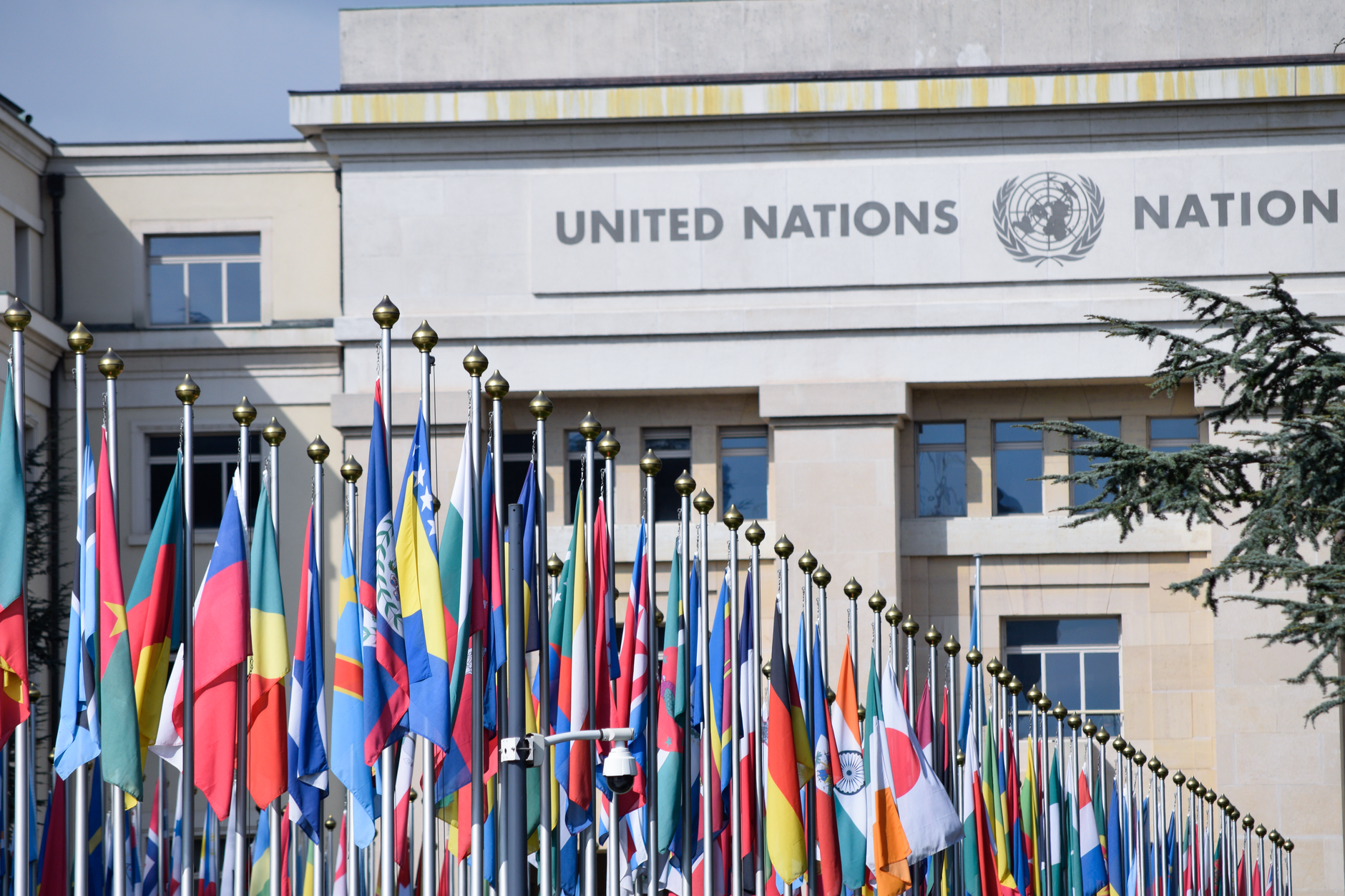
The New Delhi Declaration, as it is now known, marks a pivotal moment for the BRICS consortium — comprising Brazil, Russia, India, China, and South Africa. The leaders have not only voiced their opposition to conflict and economic isolationism but have also called for a reform of multilateral institutions, most notably the United Nations Security Council. This call for a 'structural update' suggests a desire for more inclusive representation in global governance.
Economic Crossroads
The declaration comes at a time when the global multilateral trading system finds itself at a crossroads. The BRICS nations, representing a significant portion of the world's population and economic output, are keenly aware of the need for a more balanced and fair trade environment. By condemning tariffs, they highlight the detrimental impact of protectionism on global economic health and advocate for systems that favour cooperative growth over divisive tactics.
Expanding Influence
Beyond trade and conflict, the BRICS leaders have emphasised their commitment to combating terrorism and fostering peace. This multifaceted approach underscores their ambition to play a more prominent role in global affairs, challenging the traditional dominance of Western powers. The declaration is not merely a statement of intent but a reflection of the shifting balance of power in the 21st century.
As the world watches, the actions taken by BRICS in the coming years could redefine the contours of global governance. Their call for reform and their condemnation of war and tariffs are not only timely but potentially transformative, signalling a move towards a more equitable and peaceful international order.