BRICS Summit's Vegetarian Menu Sparks Political Outcry
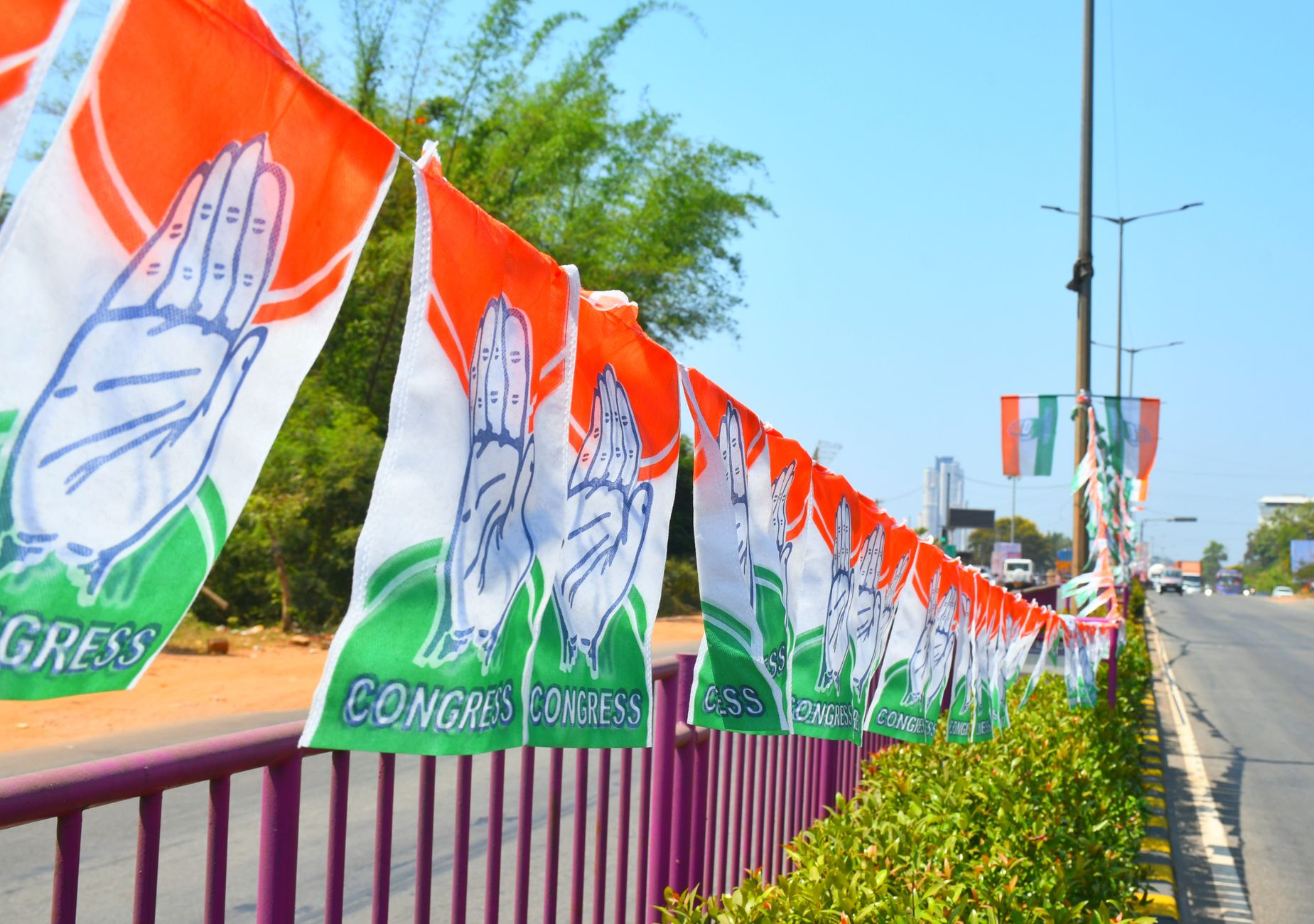
The recent BRICS Summit, hosted in India, has found itself embroiled in a culinary controversy that has somewhat eclipsed the event's diplomatic undertakings. The all-vegetarian menu served at the dinner has sparked criticism from opposition figures, particularly within the Congress party, who accuse the ruling BJP of using the summit to promulgate a vegetarian agenda.
Critics argue that while the array of Indian vegetarian dishes was undoubtedly diverse and indicative of the country's rich culinary traditions, it nonetheless represented an imposition of cultural preferences on international delegates. The Congress party's leaders were quick to voice their disapproval, suggesting that such a menu lacked inclusivity and sensitivity towards the varied dietary habits of global attendees.
Sustainable Energy Discussions Overshadowed
While the gastronomic debate raged on, the summit itself was centred around the theme of strengthening cooperation for fair competition, with a particular emphasis on sustainable energy transitions. Delegates from the now 11-member bloc engaged in discussions aimed at promoting renewable energy markets and addressing pressing environmental challenges.
The New Delhi Declaration, a key outcome of the summit, called for significant reforms and a united stance against terrorism. However, these substantial topics have been somewhat overshadowed by the brouhaha over the dinner menu.
Political Underpinnings
The dispute over the summit's vegetarian spread is not merely about food preferences. It touches upon deeper political currents in India, where dietary choices often reflect broader cultural and religious identities. The BJP, which has its roots in Hindu nationalist ideology, has been previously accused of promoting vegetarianism as a cultural norm, a charge it denies.
For many in India, food is a deeply personal and cultural matter, making the choice of menu at such a high-profile event a potentially contentious issue. The Congress party's critique can be seen as part of a larger political strategy to challenge the BJP's policies and appeal to India's diverse electorate.
In the end, the vegetarian row at the BRICS summit is a reminder of how political and cultural narratives can intersect at international forums, sometimes detracting from the primary agenda of economic and strategic collaboration.