
British Mathematician Challenges Parthenon’s Optical Illusion Myth
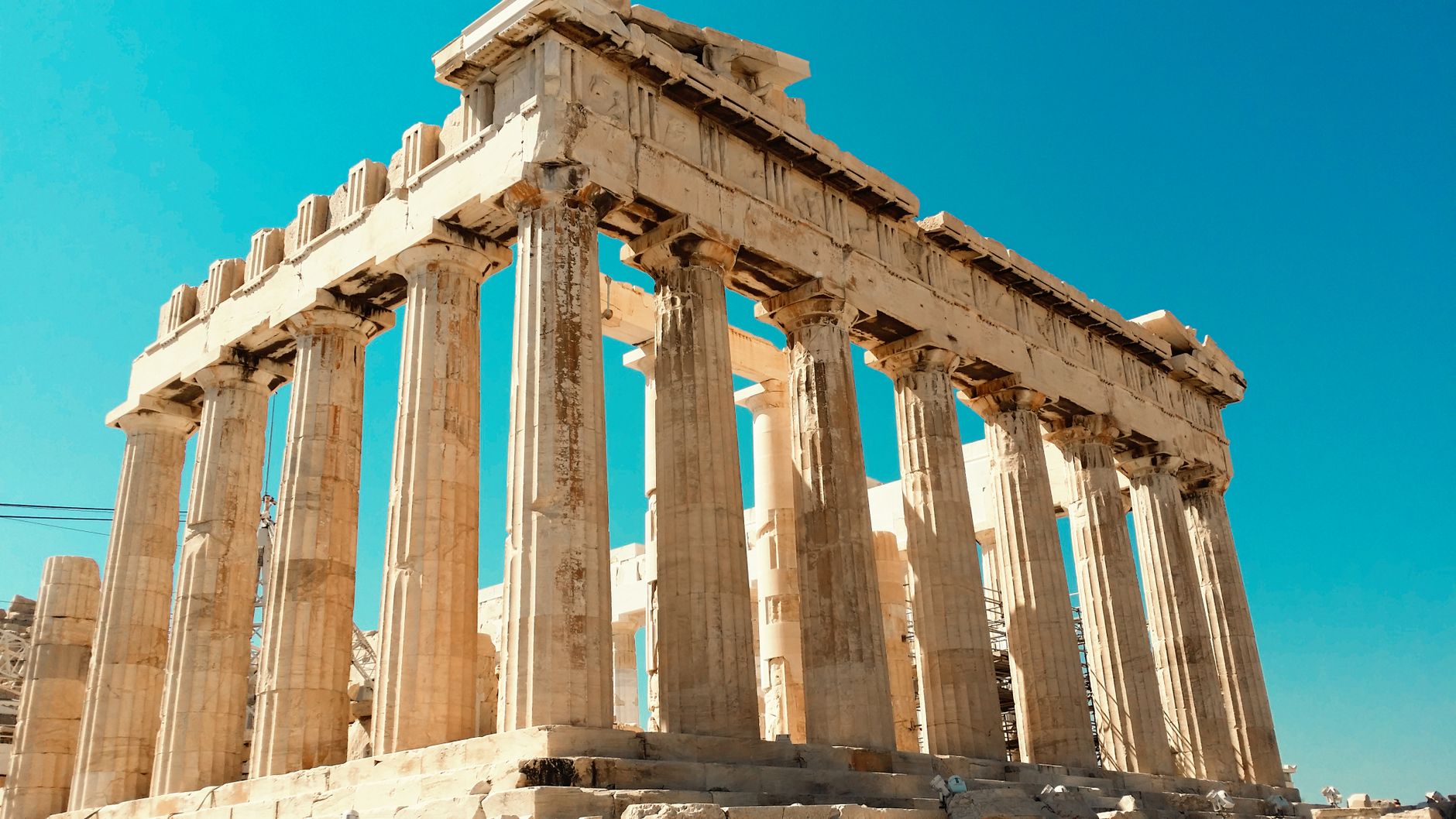
In a groundbreaking study, a British mathematician has challenged the long-held belief that the Parthenon in Athens was deliberately designed to create optical illusions. For centuries, it was assumed that the ancient Greek architects crafted subtle curves into the Parthenon's structure to make the columns appear perfectly straight to the human eye. However, recent analysis suggests that this might not be the case.
The myth traces back to Vitruvius, a Roman architect and engineer who wrote about the Parthenon some 400 years after its construction. His accounts have influenced generations, leading many to believe that the Greeks possessed advanced knowledge of optical effects.
According to the mathematician’s study, these illusions were more about narrative than reality. The columns of the Parthenon, indeed, have slight curves, but the intent behind these was likely structural rather than visual trickery. The ancient builders might have introduced these distortions to combat the optical illusions that naturally occur when viewing large structures from a distance.
While the Parthenon remains a marvel of ancient architecture, this revelation invites a reevaluation of our understanding of Greek design techniques. It suggests that the Greeks may have been more focused on structural integrity and visual harmony than on creating deliberate optical illusions.
Reassessing Ancient Narratives
This study not only sheds new light on the Parthenon but also underscores the importance of questioning historical narratives that have been accepted without scrutiny. The allure of a good story can sometimes overshadow the truth, as seen in the case of the Parthenon's supposed optical enchantments.
In the realm of science and history, where facts often intertwine with interpretation, such revelations are crucial. They remind us to look beyond the surface and examine the evidence with a critical eye. As we continue to explore the relics of the past, this study serves as a poignant reminder that history is as much about questioning as it is about discovery.


