British Scientists Edge Closer to Unveiling Dark Matter Mysteries
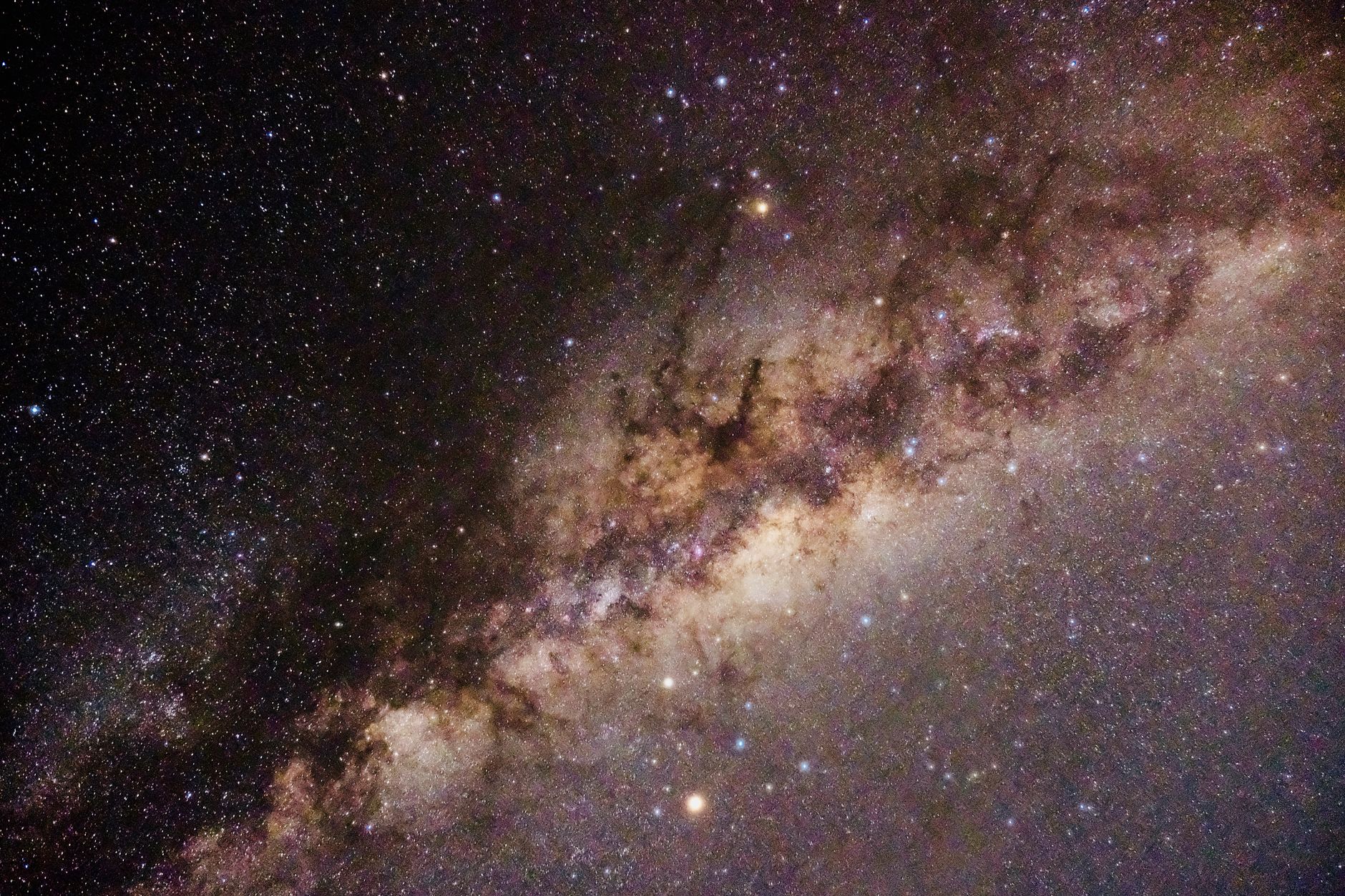
In what could be described as a moment of scientific serendipity, British researchers have possibly unearthed the first tangible evidence of dark matter, a mysterious entity that has eluded astrophysicists for nearly a century. Dark matter, despite constituting a staggering 85 per cent of all matter in the universe, has remained an enigma, invisible to the human eye and telescopes due to its non-interaction with light. Yet, its gravitational pull is undeniable, subtly swaying the motion of galaxies.
The latest findings, if verified, could mark a transformative chapter in our understanding of the cosmos. The evidence was reportedly gleaned from sophisticated experiments designed to detect the gravitational effects of dark matter on visible matter. This comes decades after the phenomenon of gravitational lensing—wherein dark matter bends light from distant galaxies—offered indirect clues to its presence.
Historic Context and Implications
Dark matter's existence was first suggested in the 1970s by American astronomers Vera Rubin and W. Kent Ford, who observed unexplained stellar motion at the edges of spiral galaxies. Since then, the scientific community has been on a relentless quest to pin down this elusive matter, employing ever more advanced technology.
Professor John Hendricks, one of the lead researchers, noted, "This discovery could finally provide us with the tools to map out dark matter's distribution across the universe." If the findings are substantiated, they could pave the way for new physics beyond the current models that dominate our understanding of the universe.
The Road Ahead
While the scientific community awaits peer-reviewed confirmation, the implications are profound. Potentially, these findings could revolutionise our grasp of cosmic evolution and structure formation. Moreover, understanding dark matter could unlock new avenues in various fields, from quantum mechanics to cosmology.
The quest to comprehend dark matter's true nature continues, but British scientists' recent strides suggest we're closer than ever to solving one of the universe's most enduring riddles. As the world watches keenly, the scientific fraternity stands on the brink of what might be a defining moment in the history of astrophysics.