Building Boats of Wisdom: Lessons from Kabir and Dampa Sangye
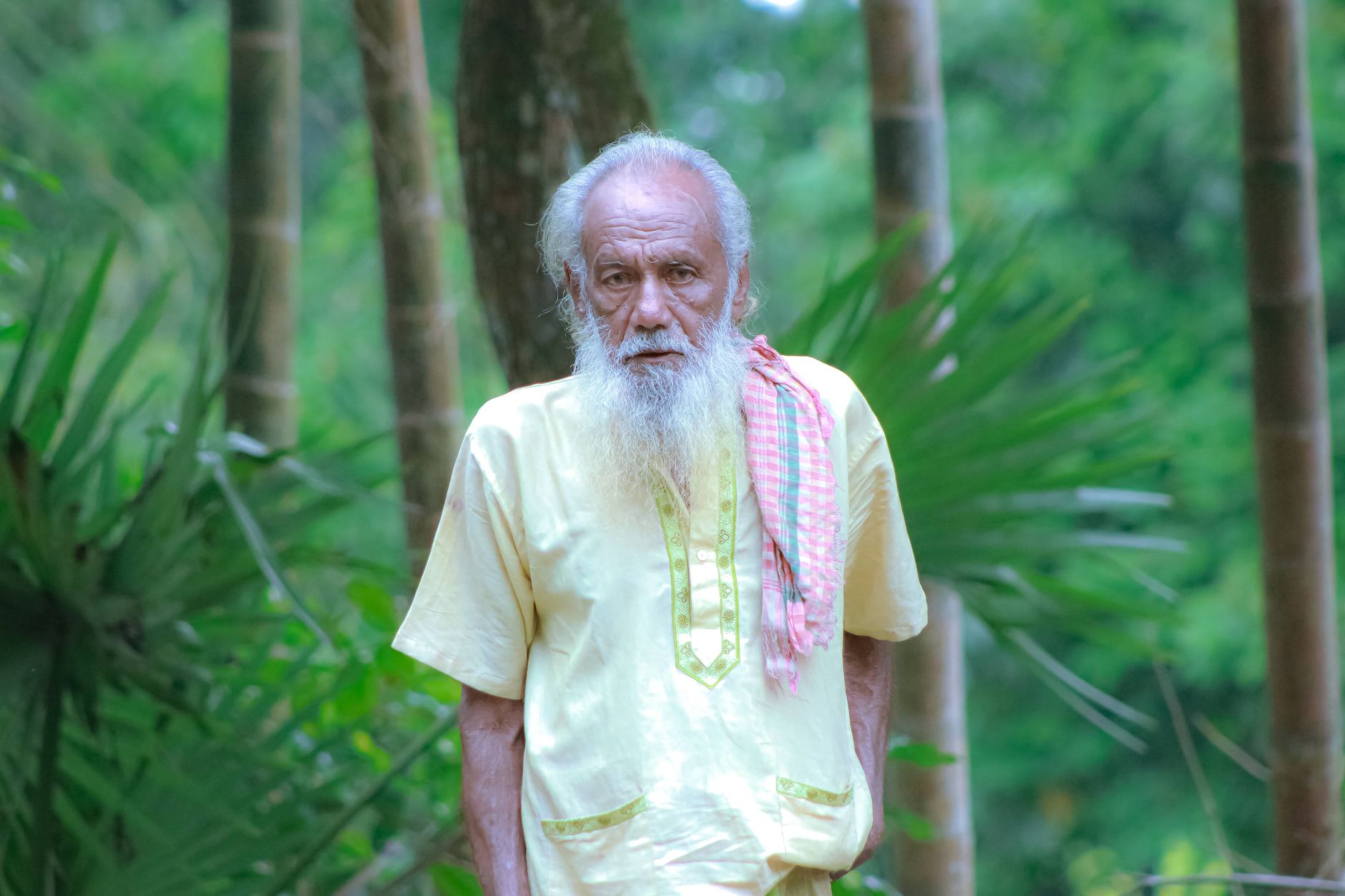
"Birth, sickness, aging and death flow ever onward, a river without ford or bridge… Have you prepared yourself a boat?" This poignant question from Dampa Sangye, a 12th-century Tibetan monk, echoes through the ages, a philosophical inquiry that rings especially true in our contemporary world. It juxtaposes seamlessly with the wisdom of Kabir, whose verses are a staple for Indian students studying Hindi literature.
Kabir's couplets, or 'saakhis', are known for their stark simplicity and profound depth. They often urge us to look beyond the superficial and prepare for the inevitable currents of life. Similarly, Sangye’s metaphor of life as a river without bridges calls for preparation and introspection. The 'boat' is not just for navigating life's existential challenges but also for steering through the environmental crises that our planet faces today.
The Boat as a Metaphor
In the context of Kabir's teachings, the 'boat' symbolises spiritual and moral preparation. Kabir's emphasis on sweet speech and humility as virtues reflects a broader philosophy of life, one that advocates for inner peace and resilience. This is a philosophy that resonates with modern environmental ethics, which call for a harmonious relationship with nature.
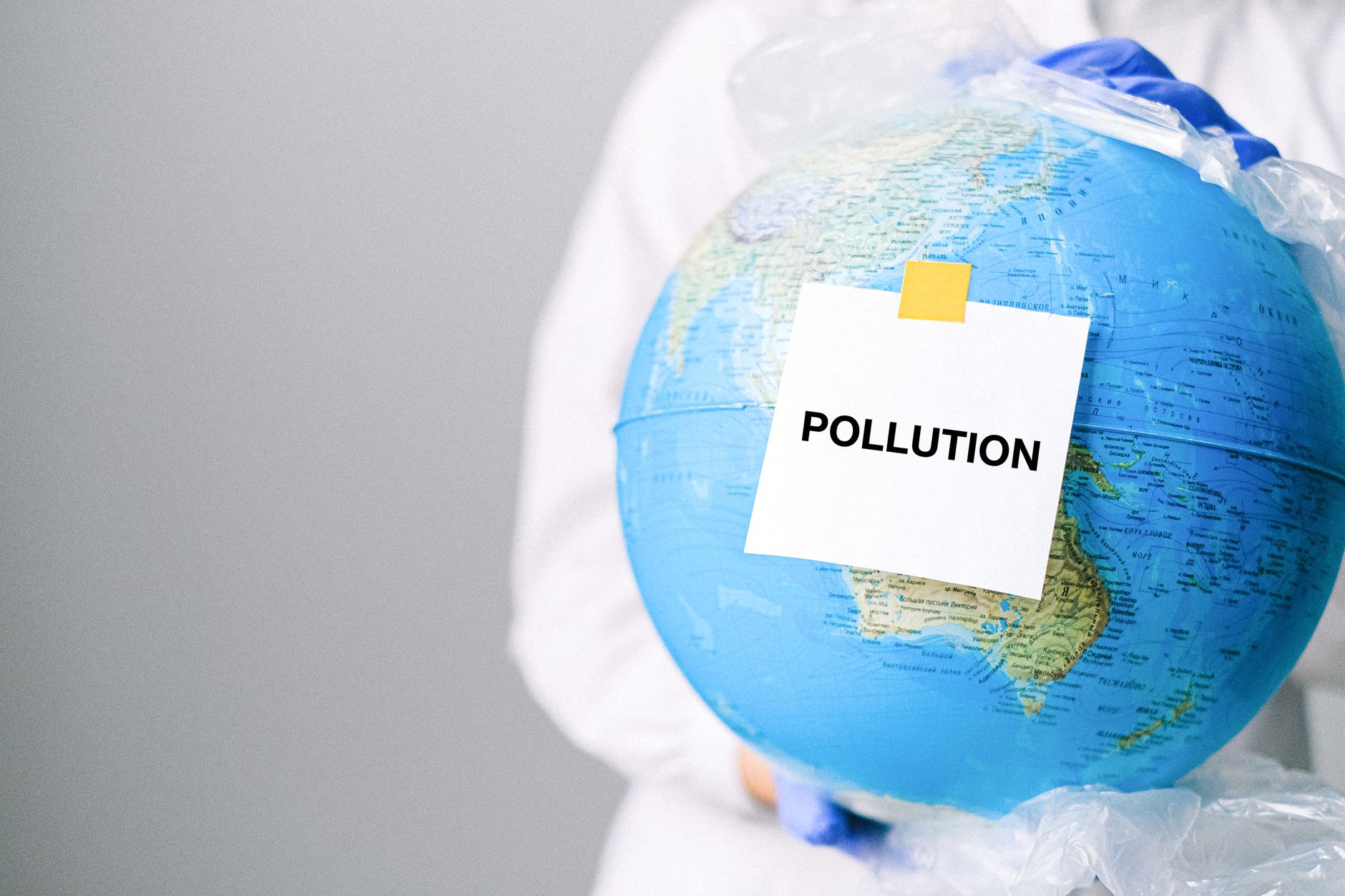
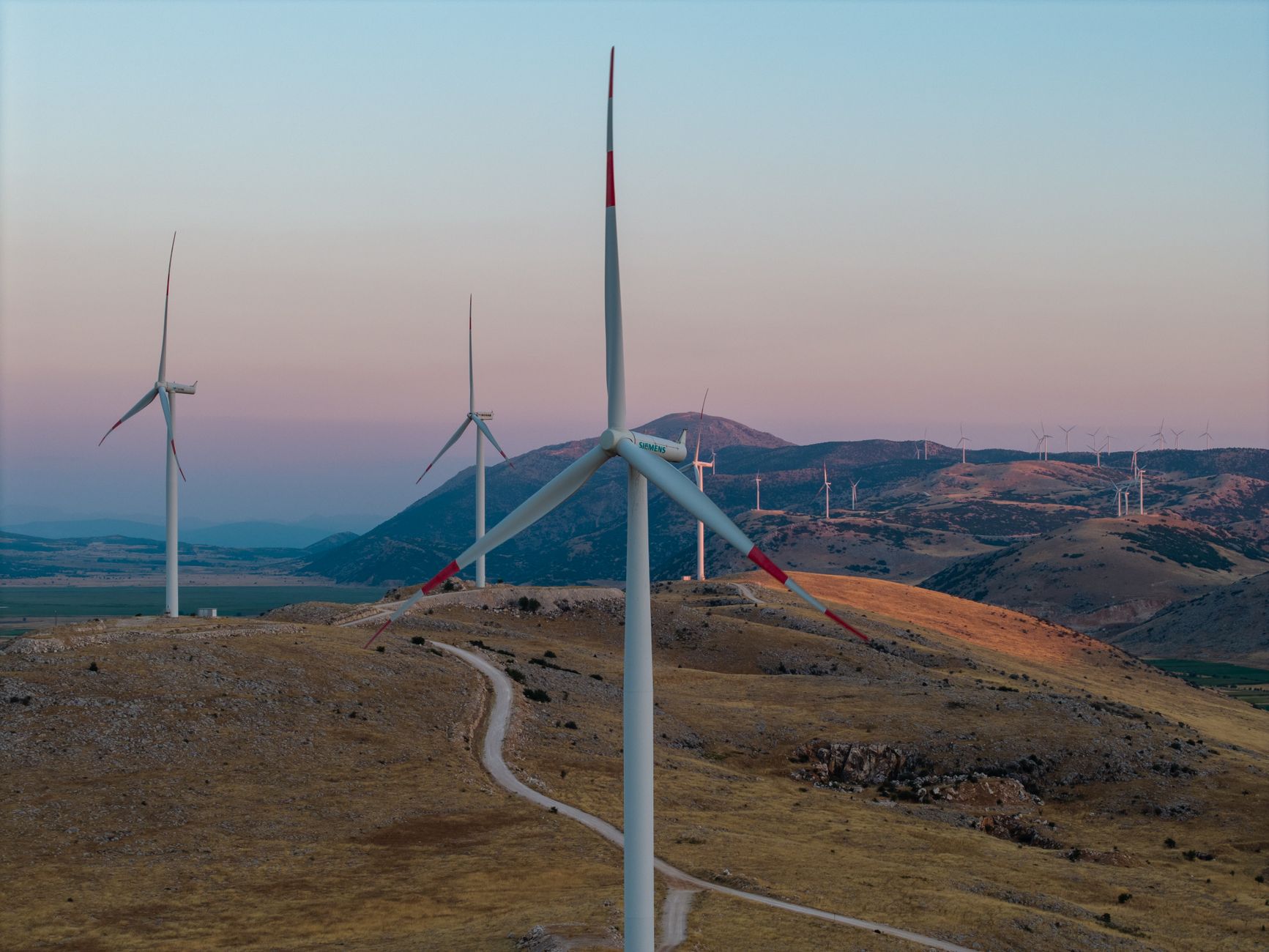
As climate change accelerates, the metaphorical boat becomes a literal necessity. Rising sea levels, erratic weather patterns, and ecological disruptions demand that we prepare not just spiritually but practically. Building sustainable communities, embracing renewable energy, and fostering global cooperation are akin to crafting a sturdy vessel that can withstand the storms ahead.
Lessons for the Modern Age
Both Kabir and Sangye offer lessons that transcend their time. Their teachings remind us that while technology and innovation are crucial, they must be underpinned by ethical considerations and a deep respect for nature. In a world where environmental degradation is often driven by human action, these age-old insights serve as a poignant reminder of the balance we must strike.
The question "Have you prepared yourself a boat?" thus becomes a clarion call for holistic preparedness. It asks us to examine our personal lives, our societal structures, and our environmental policies. Are we ready to face the challenges ahead, or are we drifting aimlessly, hoping for the best?
As we continue to navigate the complexities of modern existence, the teachings of Kabir and Dampa Sangye provide a compass. They encourage us to build not just physical infrastructures but also moral and ethical frameworks that can support a sustainable future.