Butter's Glorious Return: The World Rekindles Its Romance
In a world where culinary trends shift faster than the tides, butter has staged a remarkable comeback. Once banished to the sidelines in favour of margarine and other spreads, the golden delight now graces tables with renewed prestige. This buttery renaissance, marked by a global market poised to hit $45.2 billion by 2026, is more than a fleeting trend; it signals a deeper shift in our gastronomic psyche.
In Paris, a city renowned for its culinary finesse, a shop named Le Butter has become a phenomenon. Queues of enthusiasts, eager to taste artisanal butters from around the world, snake around the block. It's a far cry from the days when saturated fats were a dietary pariah, blamed for an array of health woes. Today, those once-damning studies are under scrutiny, as new research suggests the link between butter and heart disease was overstated.
Across the Atlantic, Americans are indulging in butter like never before, with consumption reaching an unprecedented 6.8 pounds per person annually. This represents a 21% increase in the past decade. The shift is driven by a growing desire for natural, wholesome foods, as consumers turn away from processed alternatives.
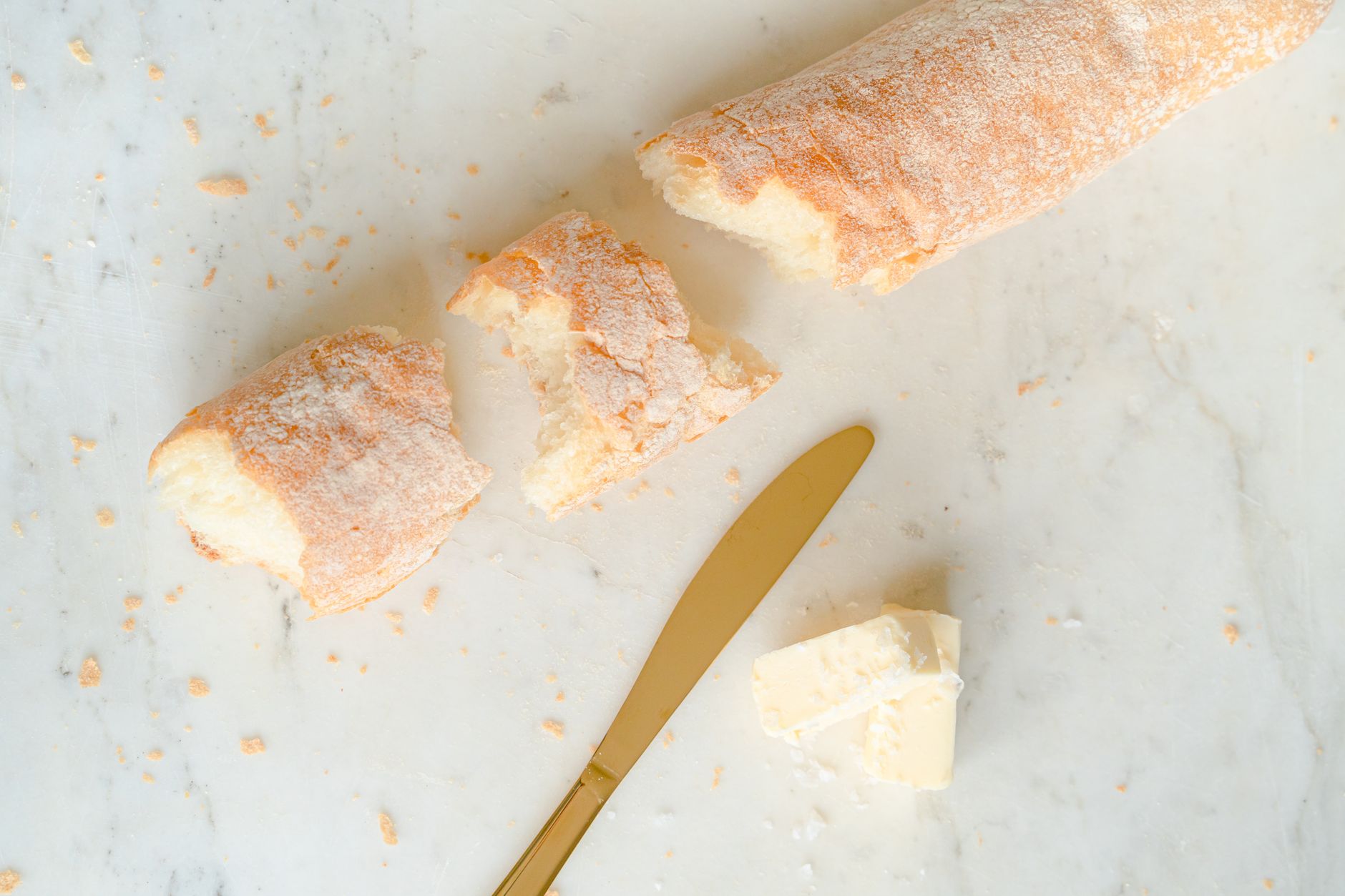
Online, the buttery craze manifests in viral sensations like 'butter boards', where various butters are smeared artistically on boards, adorned with herbs and spices. Such trends highlight butter's versatility and its capacity to be both a humble spread and an extravagant centrepiece.
The resurgence of butter is not merely about taste; it's a nostalgic nod to authenticity in an era of synthetic substitutes. As the world rediscovers the simple pleasures of this golden spread, it's clear that butter's rich, creamy allure is here to stay.