Calcium and Vitamin D: Rethinking Their Role in Bone Health
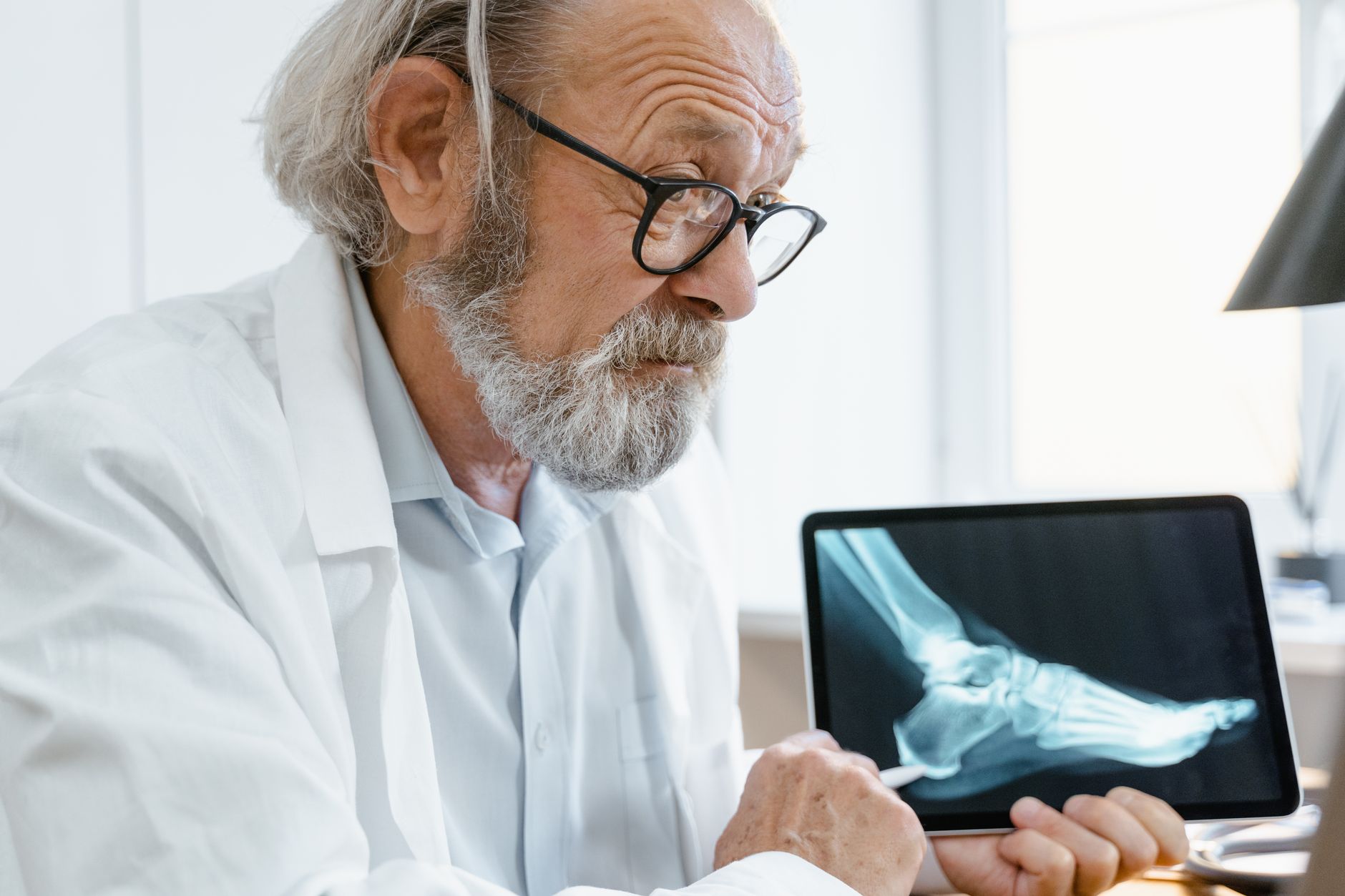
For decades, calcium and vitamin D have been synonymous with healthy bones, touted as essential shields against fractures and falls for the elderly. However, a sweeping review of 69 clinical trials involving tens of thousands of participants has now thrown this conventional wisdom into question.
According to the analysis, conducted by an international team of scientists, the supplements offer little in terms of preventing fractures or falls among older adults residing in the community who are not considered at high risk for these events. The findings are a striking departure from the long-held belief that these nutrients are indispensable for bone health.
A Shift in Perspective
The study’s results prompt a need to reassess current health guidelines, which often advocate for the regular intake of these supplements among the elderly. While calcium and vitamin D are crucial for bone density, the review suggests their supplementation may not be the panacea once thought for the general ageing population.
The researchers emphasise that for individuals with osteoporosis or other specific medical conditions, the recommendation to take such supplements might still hold value. However, for the average older adult, the routine popping of these pills might not offer the protective benefits widely assumed.
Implications for Public Health
This revelation holds significant implications for public health strategies aimed at the ageing population, which is growing rapidly across the globe. With resources often limited, the focus may need to shift towards other preventive measures, such as exercise and dietary modifications, which have shown more consistent results in maintaining bone health.
Dr. Emma Richards, a senior researcher involved in the review, remarks, "While supplements have their place, a holistic approach to health, involving balanced nutrition and physical activity, appears to be more beneficial for the majority."
As the scientific community digests these findings, the discourse around bone health is likely to evolve, potentially ushering in a new era of more tailored and evidence-based recommendations.