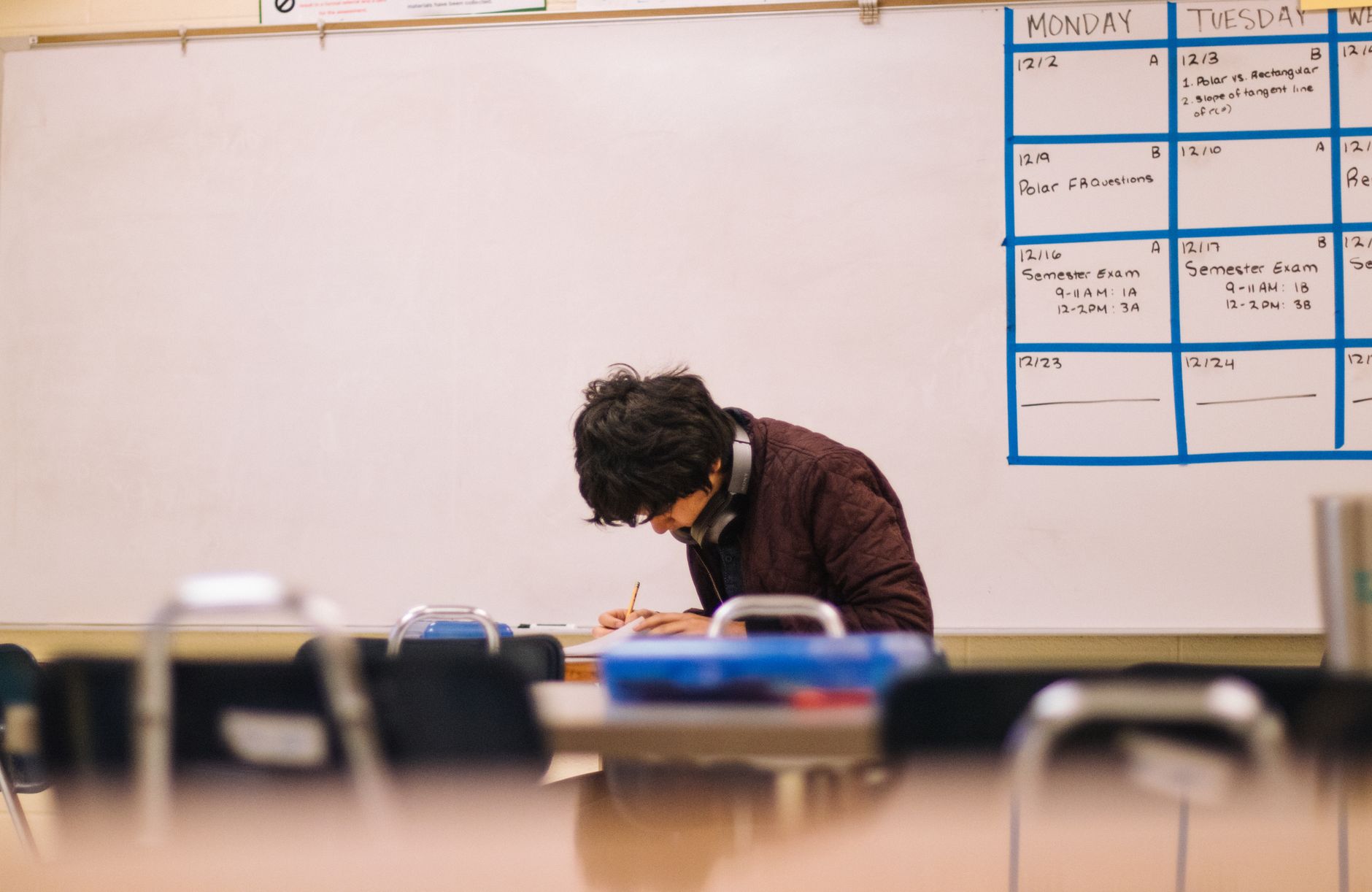
Call for Reform: Dipke Urges Overhaul of Indian Education System
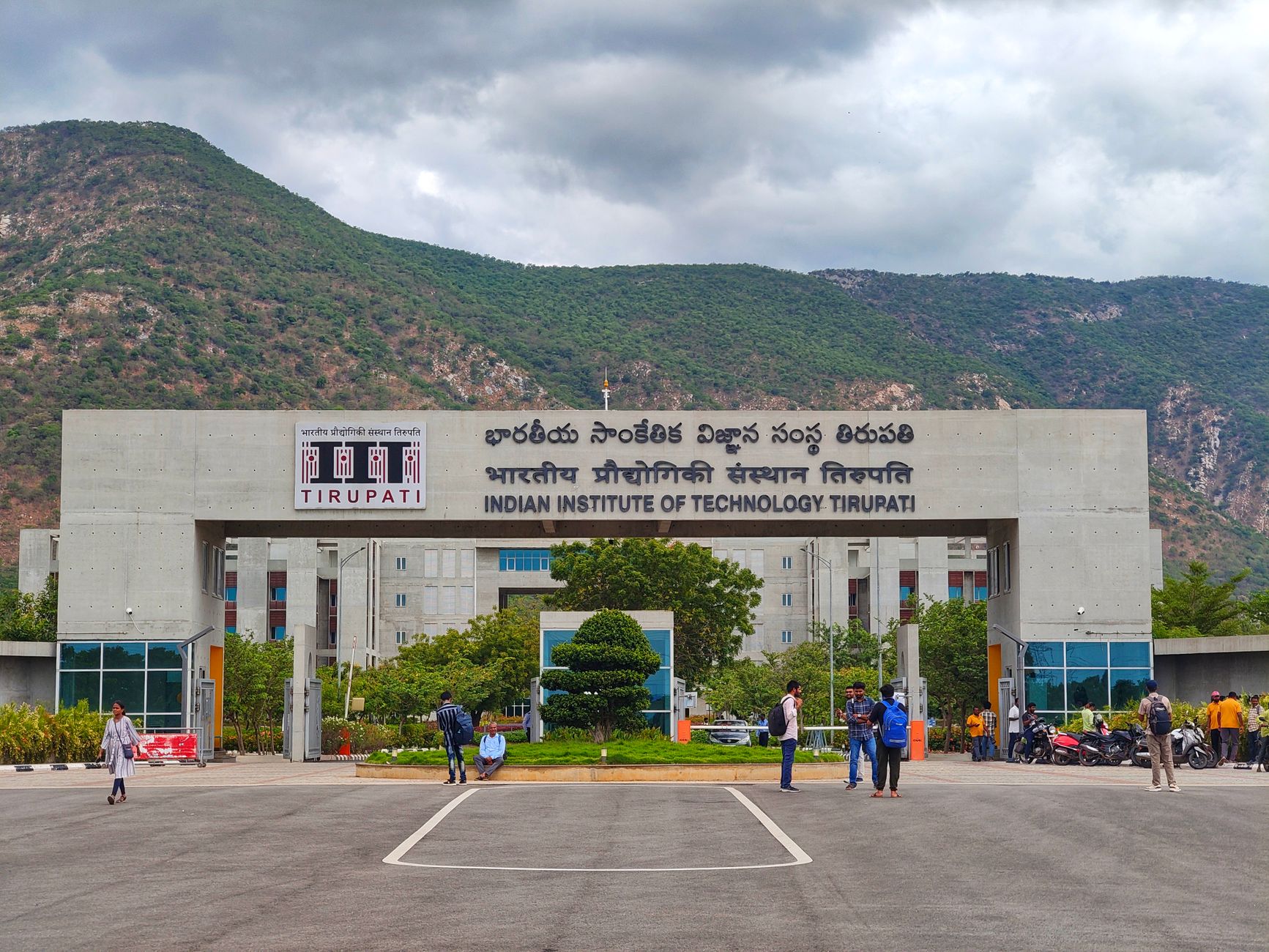
In a poignant reminder of the pressures faced by students in India, the recent suicide of a 31-year-old MSc student at the esteemed Indian Institute of Technology (IIT) Delhi has reignited calls for systemic change. Abhijeet Dipke, founder of the Cockroach Janata Party, has emerged as a vocal critic, demanding a 'complete overhaul' of the nation's education system.
Speaking out on social media, Dipke highlighted a grim statistic: 65 student suicides across IITs in the past five years. His campaign, 'School Thik Karo', seeks to address the root causes of this distress, advocating for environments where students are not only educated but also nurtured.
A Cry for Change
The death of the student, identified as Kumar, has sparked protests among the student body. Many are weary of the politicisation of such tragic events, yet they acknowledge the necessity for change. 'We need to focus on creating spaces where students feel supported, heard, and hopeful about their future,' Dipke said in a statement.
His sentiments resonate with many students and educators who argue that the current system is overly competitive and fails to support students' mental health. The pressure to excel academically often leads to significant stress, and in some cases, devastating outcomes.
The Broader Picture
India's education system has long been critiqued for its emphasis on rote learning and high-stakes exams. Critics point out that this approach stifles creativity and innovation, essential qualities in today's rapidly changing world. In this context, Dipke's call for reform is not merely about addressing student suicides but also about reimagining education in a way that truly prepares young people for the future.
While the government has made strides with initiatives such as the National Education Policy, which aims to make learning more holistic and less exam-centric, the pace of change has been slow. Dipke's campaign underscores the urgency of the situation, reminding us that the cost of inaction is unacceptably high.
As discussions continue, the hope is that this tragedy will serve as a catalyst for meaningful reform, ensuring that educational institutions become spaces of learning and growth, not pressure and despair.