Cameroon Charts a New Course in Education Reform
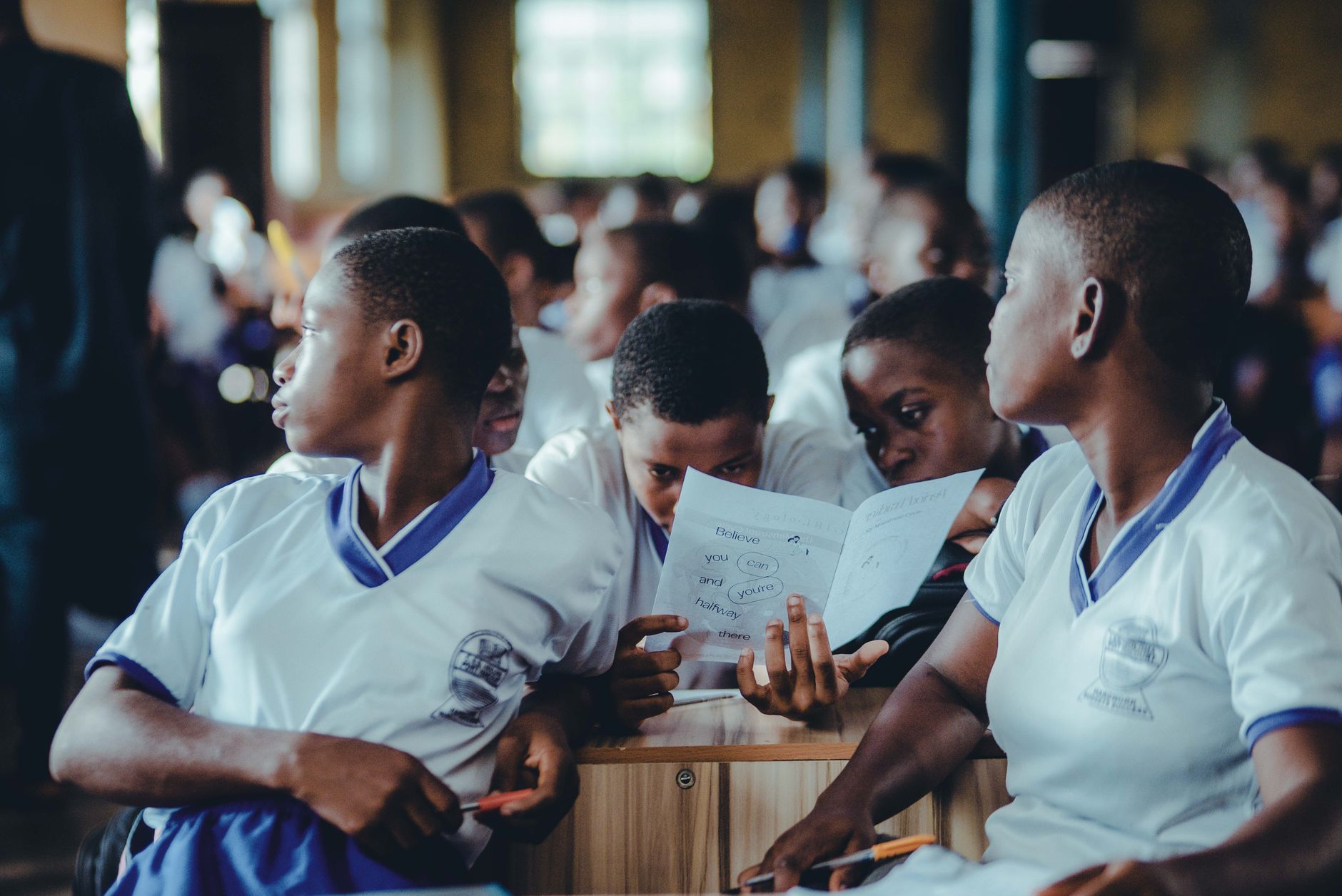
In a bold move to address educational disparities, Cameroon is setting sail on a transformative four-year journey to enhance learning outcomes across the nation. This initiative, a beacon of hope for a country grappling with historical literacy challenges, particularly among women, seeks to provide a comprehensive framework for educational growth and evaluation.
Since the mid-1990s, Cameroon has struggled with high illiteracy rates, with two-thirds of the 2.7 million adult illiterates being women. This gender disparity in literacy has long been a concern for policymakers and educationalists alike. The new reform programme aims to tackle these issues head-on, armed with a modern compass for assessment and evaluation.
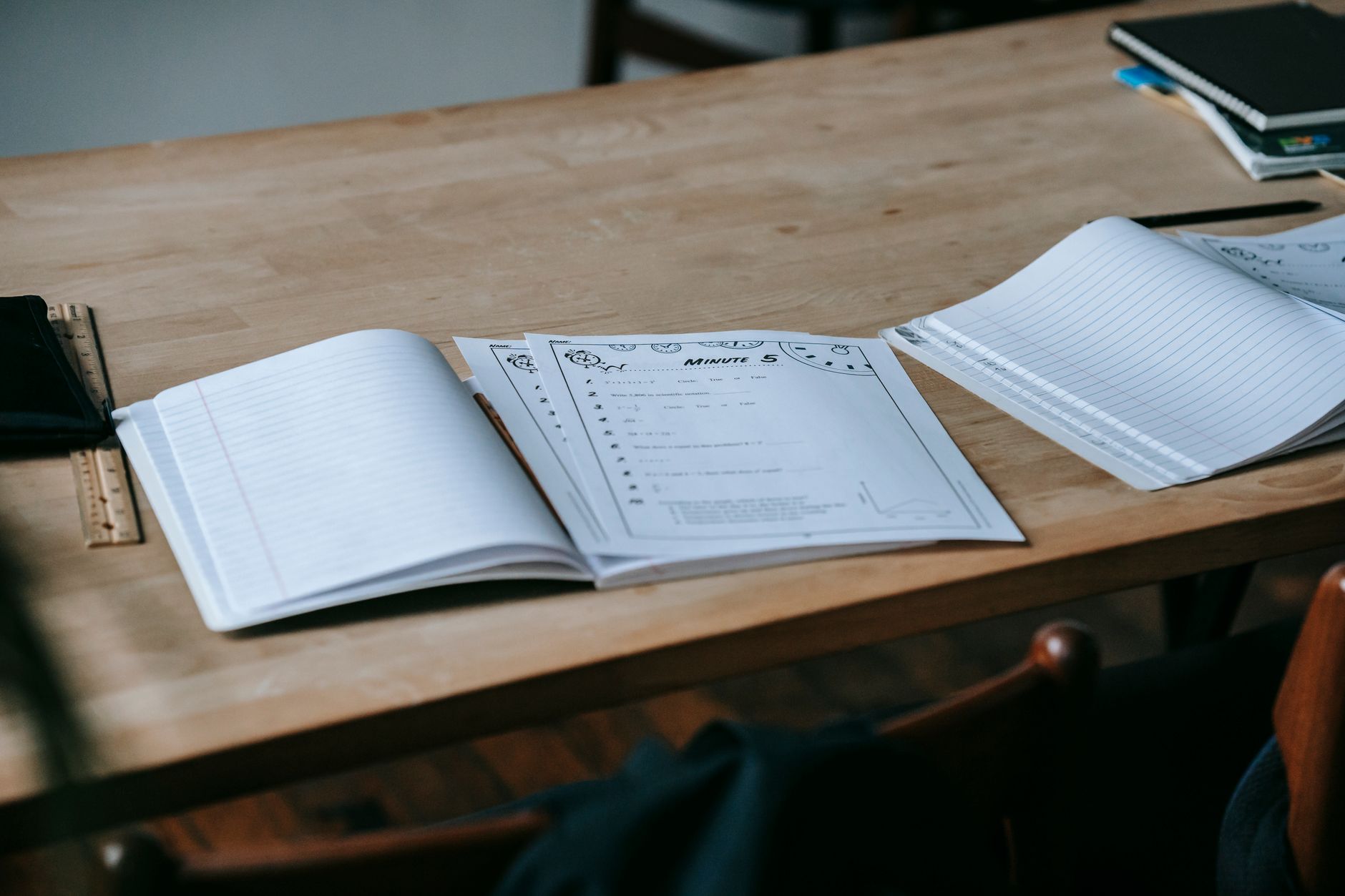
At the heart of this reform is a focus on equipping students with the necessary skills to navigate an increasingly complex world. By integrating digital tools like Google Classroom, educators are now empowered to create, personalise, and measure engaging learning experiences. These tools, part of the broader Google Workspace for Education suite, are pivotal in preparing students for future challenges.
The Strategic Vision Ahead
The government’s strategic vision is clear: transform the educational landscape by focusing on accessible, quality education for all. The reform seeks to standardise learning outcomes, making them measurable and comparable across different regions. This approach not only seeks to enhance academic achievement but also aims to foster critical thinking, creativity, and problem-solving skills among students.
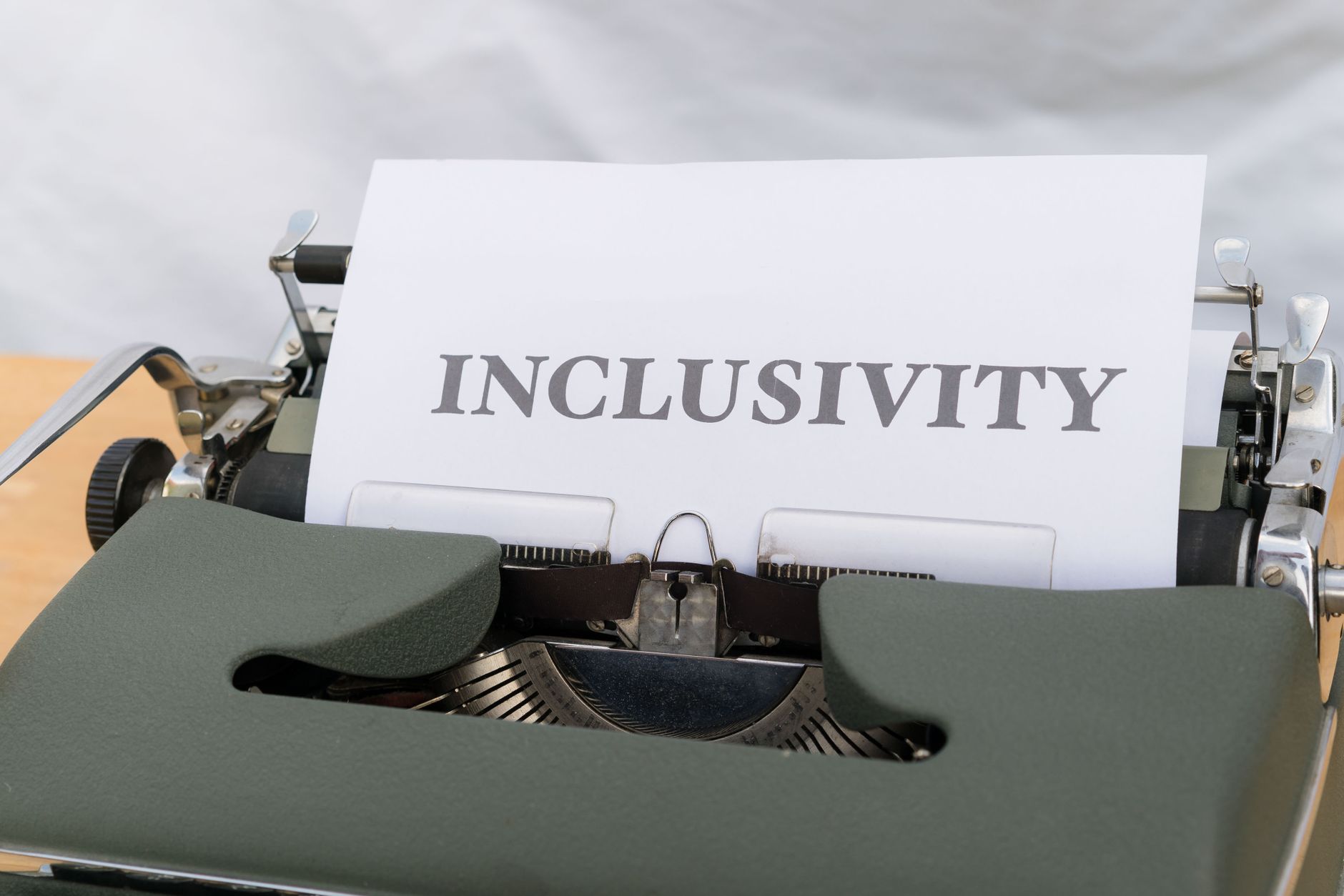
Moreover, the programme is designed to be inclusive. By prioritising girls' education and addressing gender biases, Cameroon hopes to bridge the literacy gap that has persisted for decades. The involvement of community leaders and stakeholders is crucial in this endeavour, ensuring that the reform is not just a top-down initiative but a collaborative effort that resonates with the needs of the communities it serves.
As Cameroon embarks on this ambitious educational reform, the world watches with anticipation. The success of this initiative could serve as a model for other nations facing similar challenges. It is a testament to the power of education as a transformative tool, capable of reshaping societies and creating a brighter, more equitable future.