Central University of Karnataka Hosts Global Forum on Earth's Future
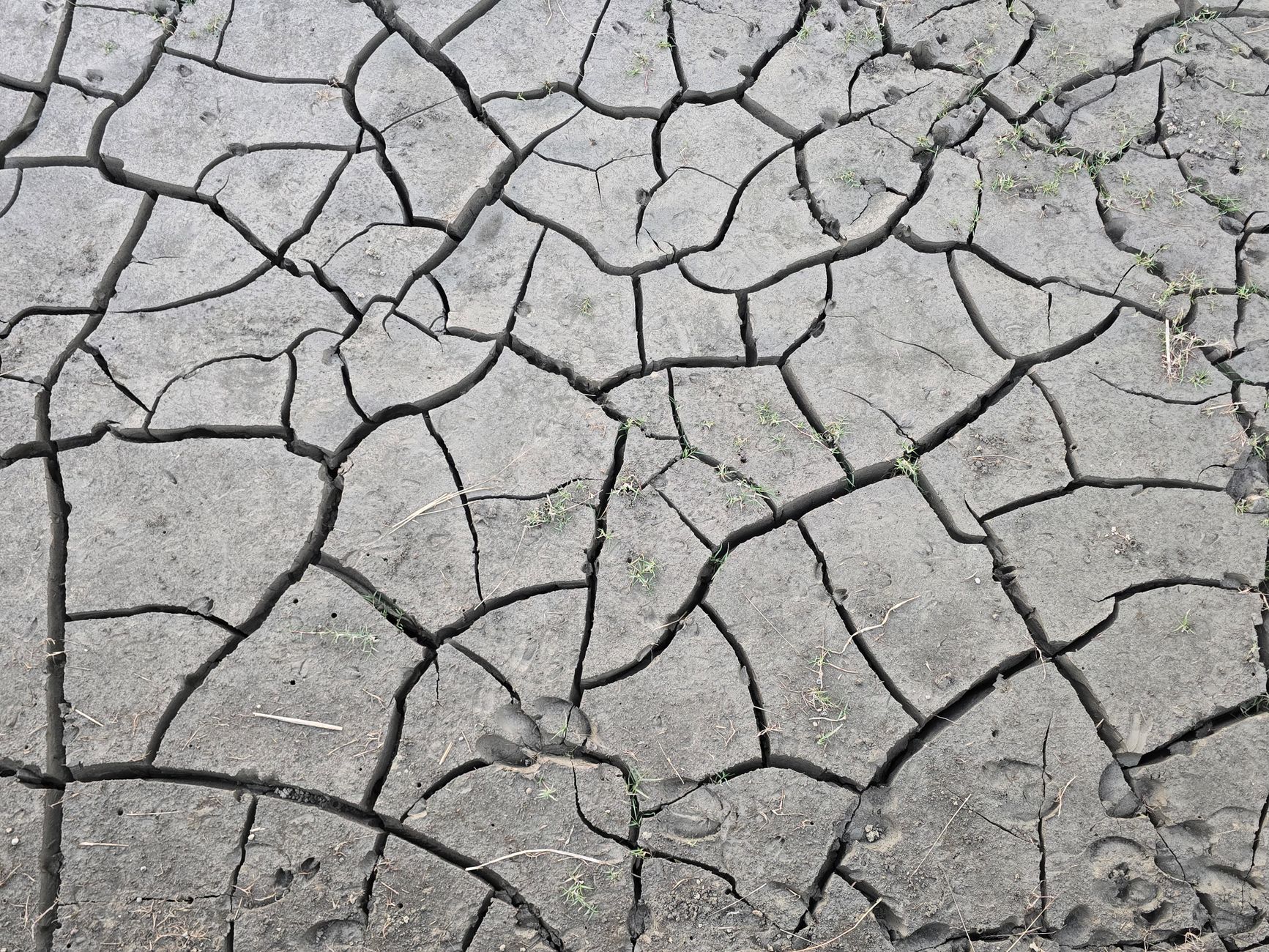
As the Anthropocene epoch unfolds, marked by humans' indelible signature on the planet, the Central University of Karnataka (CUK) is set to illuminate the discussion with its upcoming International Conference on Earth and Environment. Scheduled from 26th to 30th October 2026, this event promises to bring together some of the brightest minds in environmental science.
Jointly organised with the Instituto Politécnico Nacional, the conference aims to delve into the intricate relationship between human activity and geological changes. The Department of Geology at CUK will spearhead discussions that range from the impact of industrialisation on geo-environmental processes to sustainable practices in resource management.
Geologists, environmentalists, and policymakers from across the globe will gather in Kalaburagi, Karnataka, to share insights and strategies. The conference is set against a backdrop of urgent environmental issues—climate change, biodiversity loss, and pollution—highlighting the necessity for collective global action.
A Platform for Global Dialogue
The importance of this conference cannot be overstated. It provides a platform for scientists to exchange ideas and formulate strategies that resonate beyond academic circles. While often mired in technical jargon, such discussions are increasingly relevant to the public, whose lives are directly affected by the environmental policies under scrutiny.
One of the key objectives is to foster interdisciplinary collaboration, encouraging participants to cross traditional boundaries in pursuit of holistic solutions. The organisers hope to translate complex scientific findings into actionable policies that can be implemented by governments worldwide.
Implications for Policy and Practice
The Anthropocene, with its challenges, also presents opportunities for innovative approaches to conservation and sustainability. The knowledge gleaned from this conference could inform international agreements and local initiatives alike.
As the event draws nearer, anticipation builds for what it might achieve. Will it serve as a catalyst for change, or merely a forum for debate? The answer could shape the future of environmental policy and practice in the Anthropocene.