Chemical Pollution Plagues England's Waterways, Officials Confirm
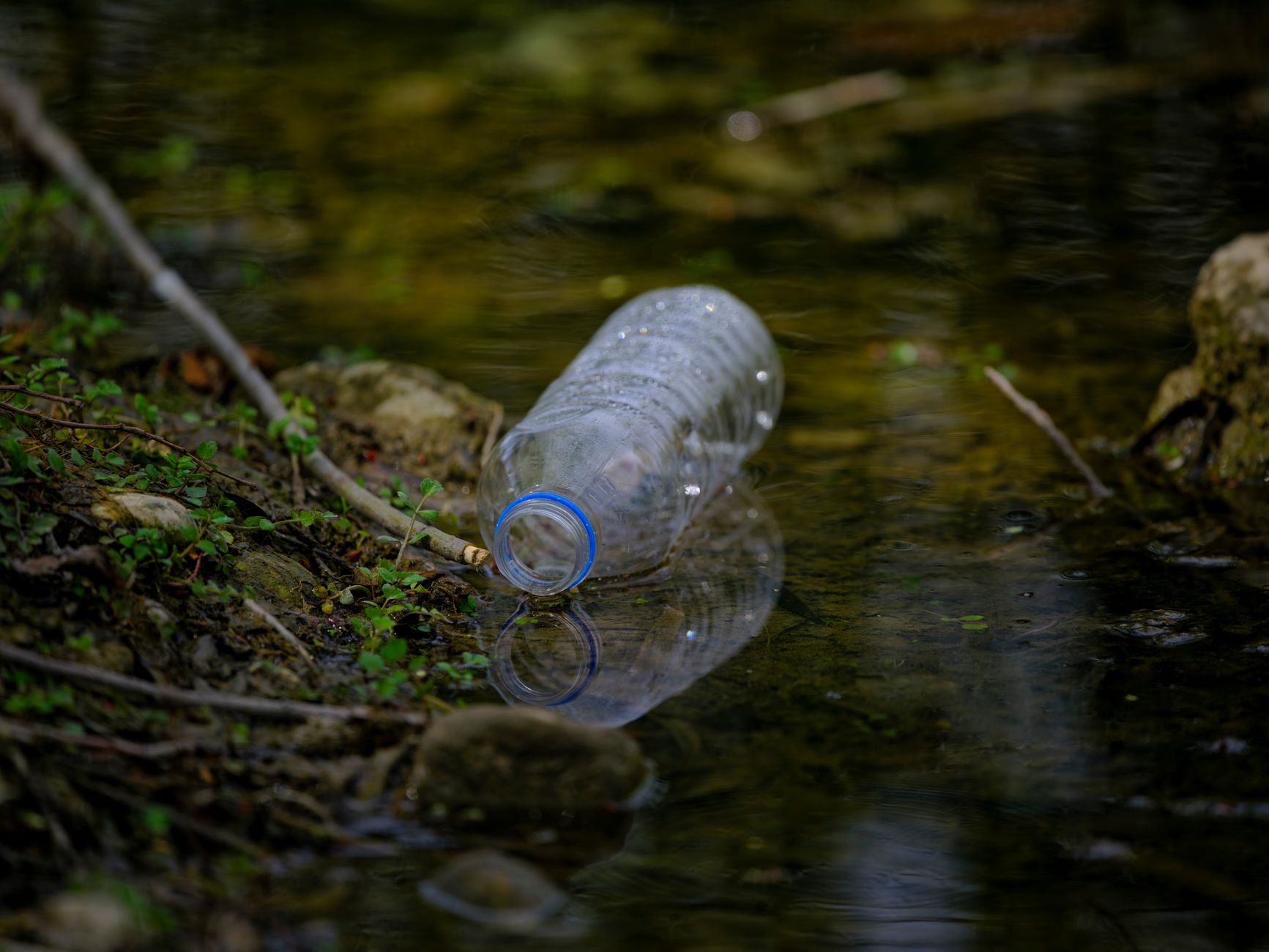
From the tranquil streams of the Lake District to the bustling banks of the River Thames, England's waterways are facing a ubiquitous threat. Not a single river or lake has escaped the scourge of chemical pollution, according to the latest findings by the Environment Agency.
The agency's comprehensive assessment, the first of its kind in six years, reveals a disconcerting truth: only a meagre 14% of England's rivers and lakes boast good ecological conditions. The culprits? A cocktail of chemicals, ranging from notorious 'forever chemicals' known as Pfas to the pervasive menace of microplastics.
A Nationwide Crisis
The figures are stark. England's water quality has been on a concerning decline, with none of the rivers and lakes completely free from contamination. This pervasive pollution is not just an ecological issue; it poses significant risks to public health and wildlife.
Environmental groups have long warned of the dire state of the nation's water bodies. Yet, these findings have brought renewed urgency to calls for action. The presence of Pfas, in particular, is alarming due to their persistence in the environment and potential to accumulate in living organisms.
What Can Be Done?
Addressing this crisis requires a concerted effort from both the government and the public. Stricter regulations on industrial discharges, improved wastewater treatment, and increased public awareness are critical steps toward reversing this trend.
The Environment Agency has emphasised the need for a robust framework to tackle chemical pollutants. Meanwhile, environmentalists urge immediate action to prevent further degradation of these vital water resources.
As the nation grapples with this environmental challenge, it is clear that safeguarding England's rivers and lakes must become a national priority. The health of these water bodies reflects the health of the environment at large, and ignoring the warning signs could have dire consequences for future generations.