
Chemistry Nobel 2026: Celebrating the Enigma of Molecular Asymmetry
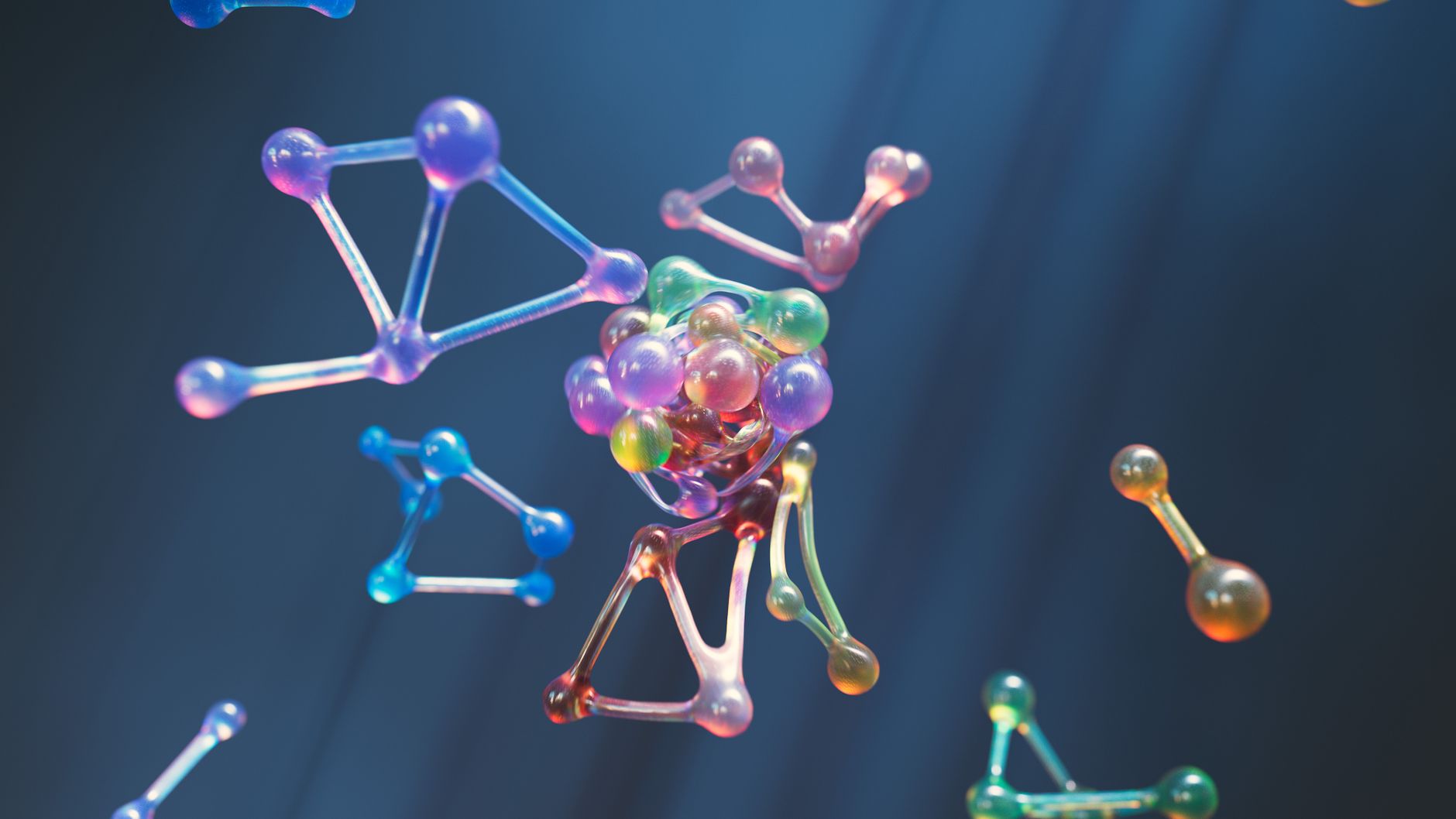
In an announcement that has electrified the scientific community, the 2026 Nobel Prize in Chemistry has been awarded to Henri B. Kagan of France and Kenso Soai of Japan. Their pioneering research has shed light on one of chemistry's most bewildering puzzles: the asymmetry of organic molecules.
At the heart of their work is the phenomenon of chirality, a property of molecules that exist in two non-superimposable mirror images, much like left and right hands. While both versions are chemically identical, life on Earth, for reasons that have long confounded scientists, predominantly favours one form over the other.
Henri B. Kagan, now 95, and Kenso Soai, aged 76, have been instrumental in uncovering the processes that dictate this preference. Their work not only solves a century-old mystery but also opens new avenues for research into the origins of life itself. Their discovery could have profound implications for fields ranging from pharmaceuticals to biotechnology.
In the world of pharmaceuticals, for example, the chirality of molecules plays a crucial role. The two mirror images can have vastly different effects in biological systems. This has prompted the development of drugs that specifically target the preferred chiral form, enhancing efficacy and reducing side effects.
The Nobel Committee's decision to honour Kagan and Soai serves as a reminder of the importance of basic scientific inquiry and the unexpected ways such research can illuminate our understanding of life and its complexities. As the world grapples with increasingly complex scientific challenges, their work stands as a testament to the enduring value of curiosity-driven research.


