Chile Triumphs in Eliminating Dog-Transmitted Rabies
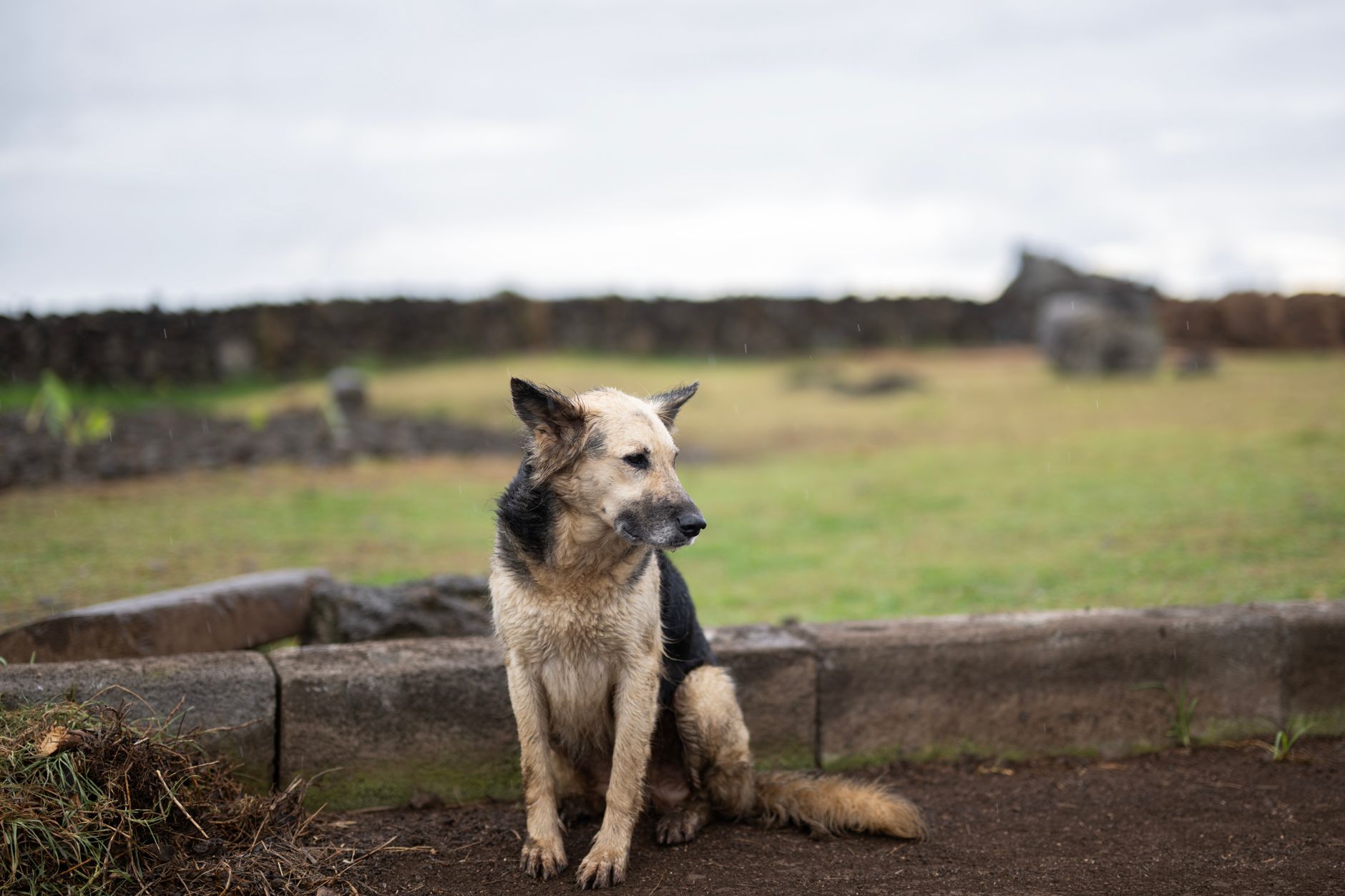
In a momentous stride for public health, Chile has made history by becoming the first country in South America to successfully eliminate dog-transmitted rabies, a feat officially validated by the World Health Organization (WHO). This milestone, announced with much fanfare, marks a significant victory in the global fight against rabies.
The WHO's validation is not handed out lightly. It represents a rigorous process confirming that a nation has managed to interrupt the transmission of rabies from dogs, resulting in no human fatalities linked to dog bites for a minimum of two consecutive years. Chile has not only met but exceeded these criteria, setting a benchmark for other nations in the region.
A Historic Challenge Overcome
Historically, rabies posed a dire threat to public health in Chile, with dog bites being a common vector. The early 1990s saw widespread cases of the disease, sparking fears and necessitating urgent intervention. The government's response was robust, implementing an expansive programme of dog vaccinations, public education, and swift medical treatment protocols for potential exposures.
Chile's success did not materialise overnight. It was the result of concerted efforts between the government, local communities, and international bodies. Mass vaccination campaigns, coupled with public awareness initiatives, played a pivotal role in reducing the incidence of rabies.
Implications for the Region
The significance of this achievement extends beyond Chile's borders. It serves as an inspiring example for neighbouring countries grappling with similar public health challenges. Rabies is a disease that disproportionately affects poorer communities, where resources for prevention and treatment are often scarce. The Chilean model demonstrates that with sustained effort and commitment, even the most daunting health threats can be overcome.
As the world looks to eliminate rabies on a broader scale, Chile's triumph provides a blueprint for success. The WHO hopes that this will galvanise other nations in the Americas to follow suit, potentially paving the way for a rabies-free future across the continent.