China and Russia Forge Educational Ties in a Shifting World
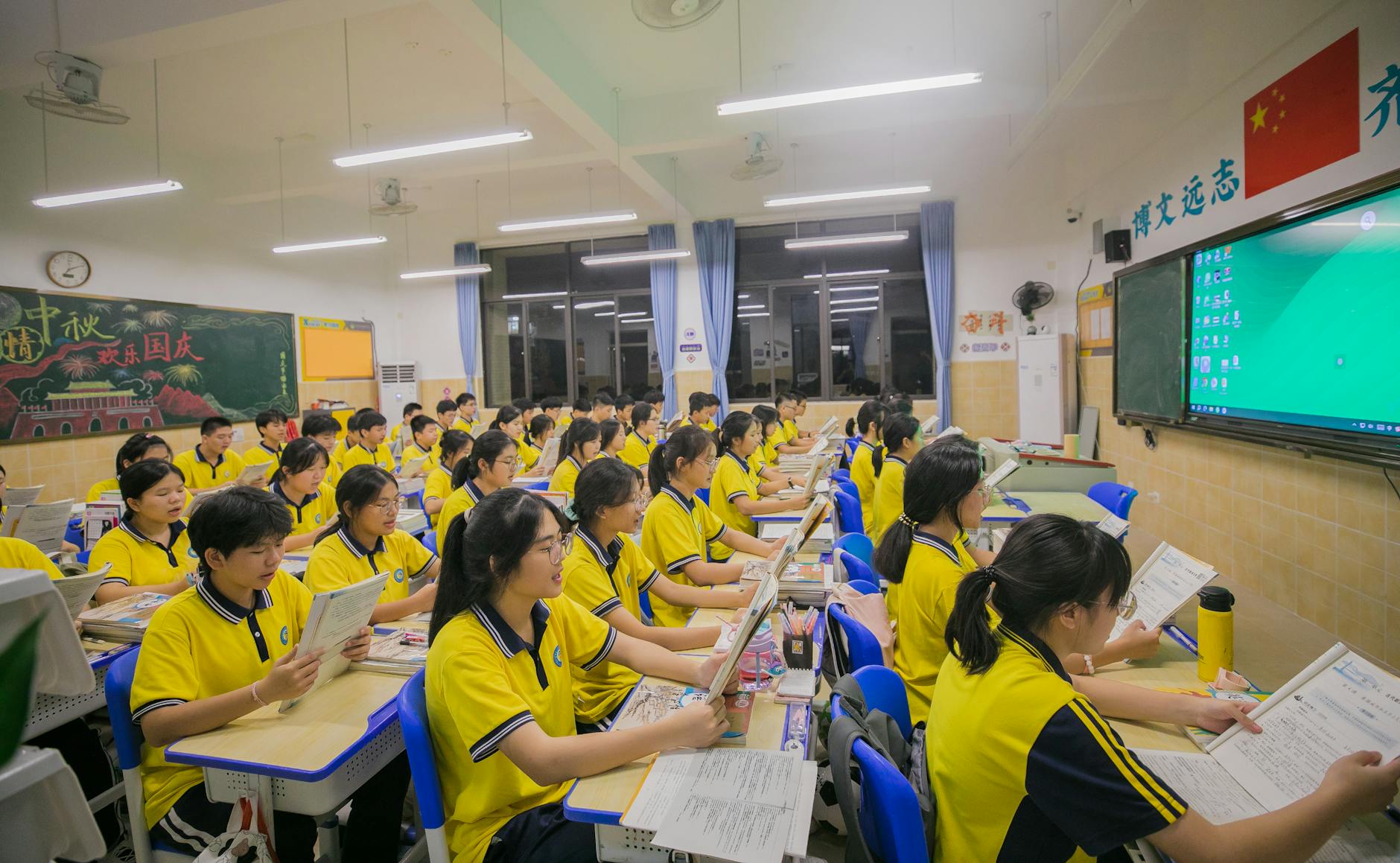
In an era where global dynamics are continuously shifting, the educational collaboration between China and Russia stands out as a beacon of strategic foresight. With a staggering 66,000 Chinese students currently enrolled in Russian universities and 21,000 Russian students pursuing education in China, the initiative is more than a mere exchange programme. It is a deliberate stride towards fostering a deeper understanding and creating a robust bridge between two of the world's most influential nations.
As President Xi Jinping and President Vladimir Putin set the stage for the 'China-Russia Years of Education', they envisaged a framework that would not only enrich academic landscapes but also fortify bilateral relations in a multipolar world. Education, as both leaders emphasised, serves as the bedrock of national development and a pivotal channel for cultural exchange.
Strategic Implications
The initiative, launched amidst growing geopolitical complexities, signifies a calculated effort to build long-term trust and cooperation. By encouraging scholarly exchanges and establishing over 150 joint educational programmes, both nations are clearly signalling their commitment to a shared future.
Education is perceived as a neutral ground—one that transcends political tensions and fosters a spirit of collaboration. The large scale of the programme, with its rich content, emphasises a commitment to not just academic excellence but also to nurturing a generation that is well-versed in cross-cultural communication.
Beyond the Classroom
The implications of this partnership extend beyond academia. By cultivating a generation of students who are comfortable navigating both Chinese and Russian cultural and linguistic landscapes, the initiative promises to cement China and Russia's roles as critical players on the global stage. It reflects a broader vision of a multipolar world where power is distributed across various centres, rather than dominated by a single hegemon.
As this educational journey unfolds, it offers the world a model of how strategic educational partnerships can be leveraged to bolster diplomatic ties, foster mutual respect, and build bridges in an increasingly fragmented global landscape.