China Boosts AI and STEM Education in Rural Southeast Asia
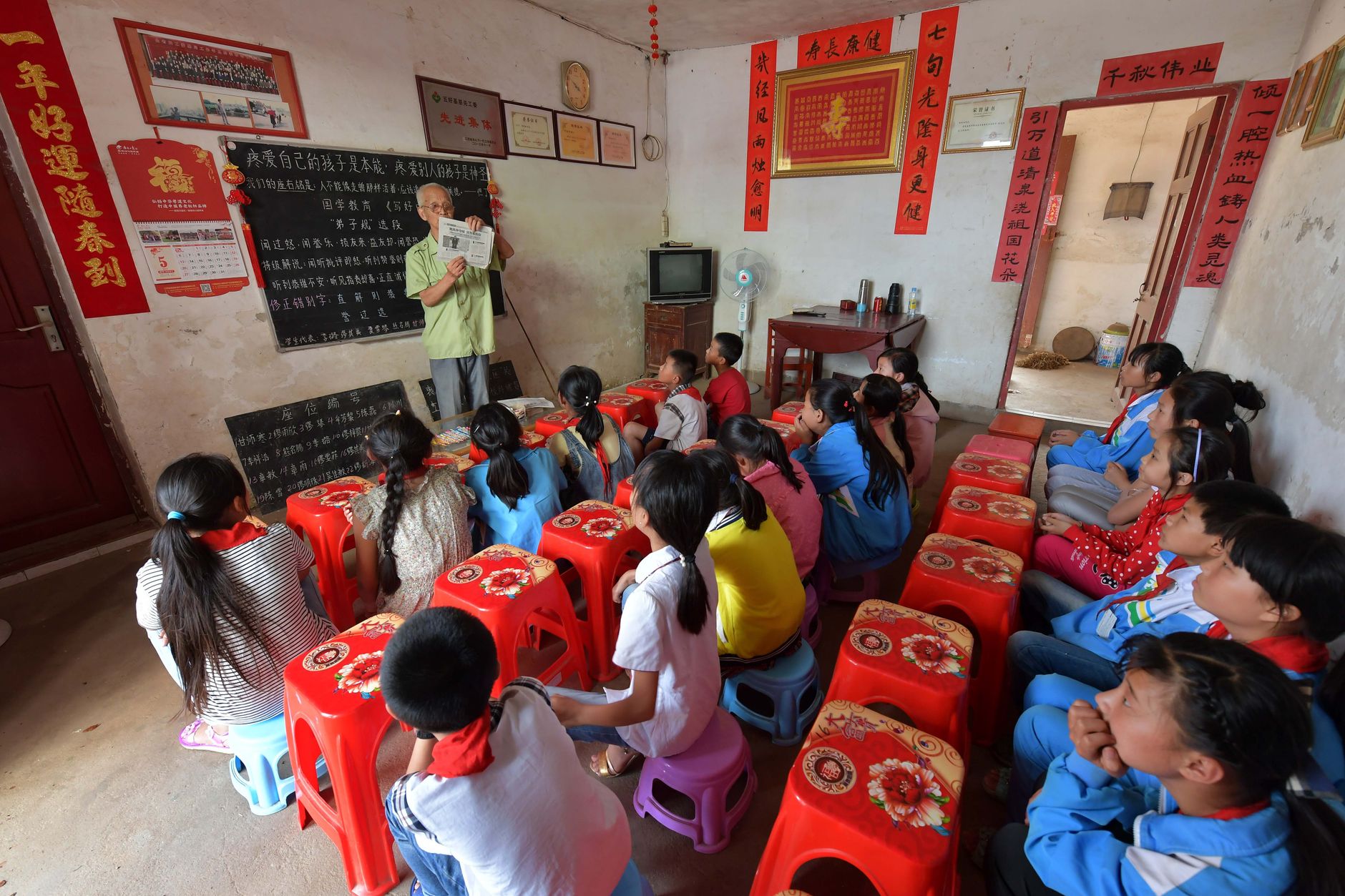
In a world where technology often dictates the pace of progress, China is making a concerted effort to ensure that no community is left behind. The newly launched programme targeting rural Southeast Asia is a testament to China's commitment to fostering education in AI and STEM disciplines, particularly in areas that have historically been underserved.
The initiative aims to bolster teacher capacity by providing comprehensive training in these critical subjects. By doing so, it hopes to inspire a new generation of students to pursue careers in science, technology, engineering, and mathematics—fields that are increasingly pivotal in the global economy.
Bridging the Gap
Rural communities often struggle with inadequate educational resources. This programme seeks to address such disparities by equipping educators with the tools and knowledge needed to deliver effective AI and STEM education. The focus is not merely on the transfer of knowledge but on fostering a culture of innovation and inquiry among students.
China's approach involves not only direct training but also the development of localised teaching materials that resonate with the cultural and contextual specifics of the regions involved. This tailored strategy aims to make educational content more relevant and engaging for students, thereby enhancing learning outcomes.
Long-term Vision
The long-term objective of the programme is to cultivate a skilled workforce capable of contributing to the technological advancements that drive modern economies. By investing in teacher capacity now, China hopes to lay the groundwork for sustainable development in these regions.
It is a strategic move that also aligns with China's broader geopolitical interests in Southeast Asia. Strengthening educational ties could pave the way for deeper economic and technological collaboration in the future, benefiting both China and the host countries.
Ultimately, the success of this initiative will depend on its ability to adapt to the unique challenges faced by rural educators. It is an ambitious undertaking, but one that holds the promise of transforming educational landscapes across Southeast Asia.