China Tops Global Science Rankings in 2026
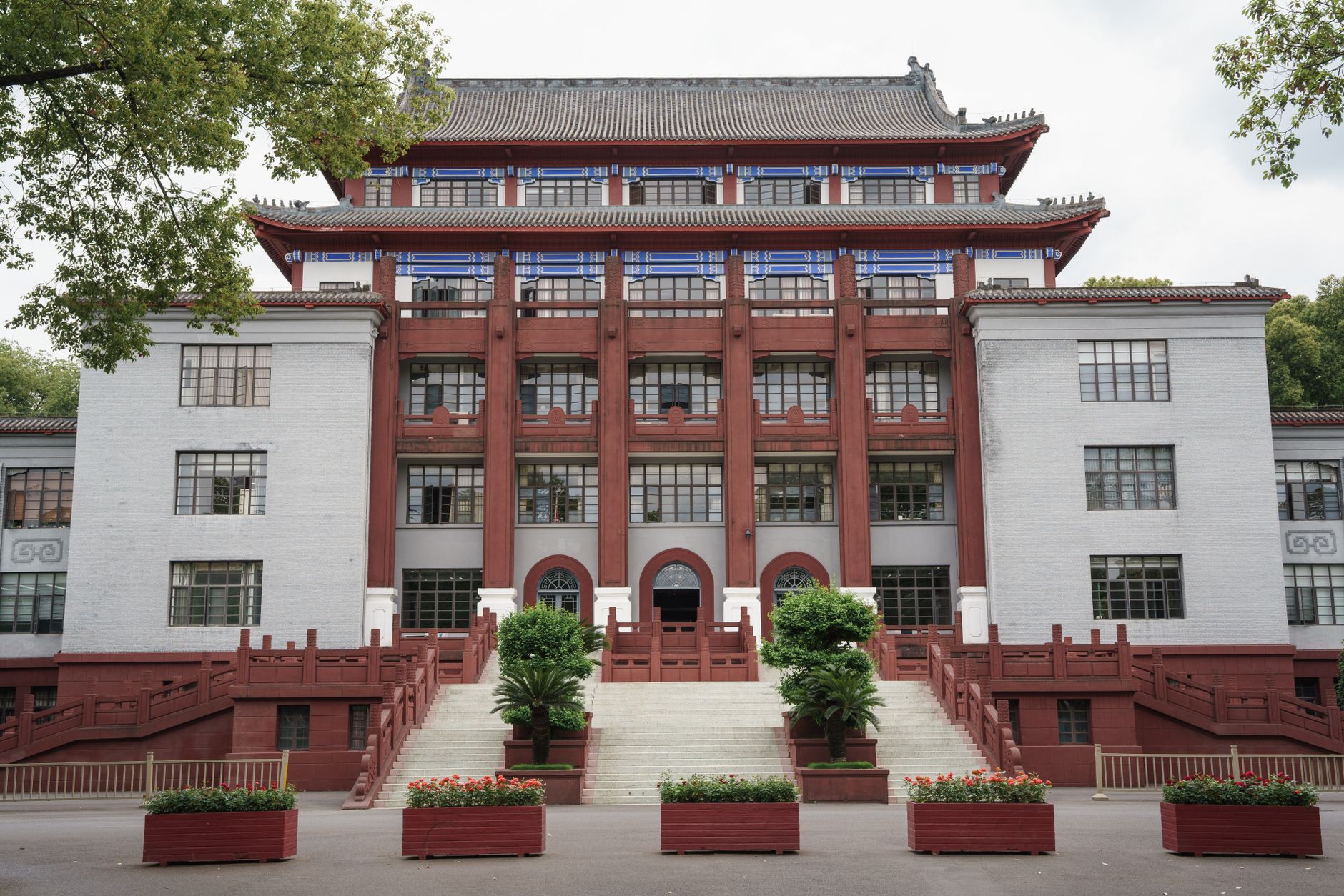
In a remarkable demonstration of its educational prowess, China has clinched the top spot in the 2026 global science rankings, with an impressive average score of 597. The latest Programme for International Student Assessment (PISA) results underscore China's commitment to science and technology, areas in which the nation has invested heavily over the past decades.
Following closely on China's heels, Singapore secured the second position with a score of 560, further cementing Asia's dominance in the realm of scientific education. Both nations have prioritised rigorous curricula and cutting-edge research facilities, setting benchmarks that many Western countries find challenging to meet.
The European Performance
While Asian countries continue to surge ahead, Europe has not been entirely left behind. Nations such as Switzerland maintain a strong presence in the rankings, thanks to their well-established educational systems and consistent investment in scientific research. However, the pace at which Asian countries are advancing poses a formidable challenge.
The United States, on the other hand, finds itself ranked 18th, stirring debates about the need for educational reform and renewed focus on science education. Despite its world-renowned universities and research institutions, the U.S. struggles with systemic educational issues that impact its global standing.
Implications for the Future
The 2026 science rankings are more than just numbers; they reflect the shifting dynamics of global education and economic power. As nations like China and Singapore continue to excel in scientific disciplines, they pave the way for future innovations and technological advancements. This, in turn, influences global economies, international relations, and cultural exchanges.
For European and American educational institutions, the challenge is clear: adapt and innovate, or risk falling further behind in the race for scientific supremacy. In this interconnected world, where the next breakthrough can come from any corner of the globe, fostering a robust science education is not just an academic priority but a strategic imperative.