China's Ecological Code: A New Era with AI's Helping Hand
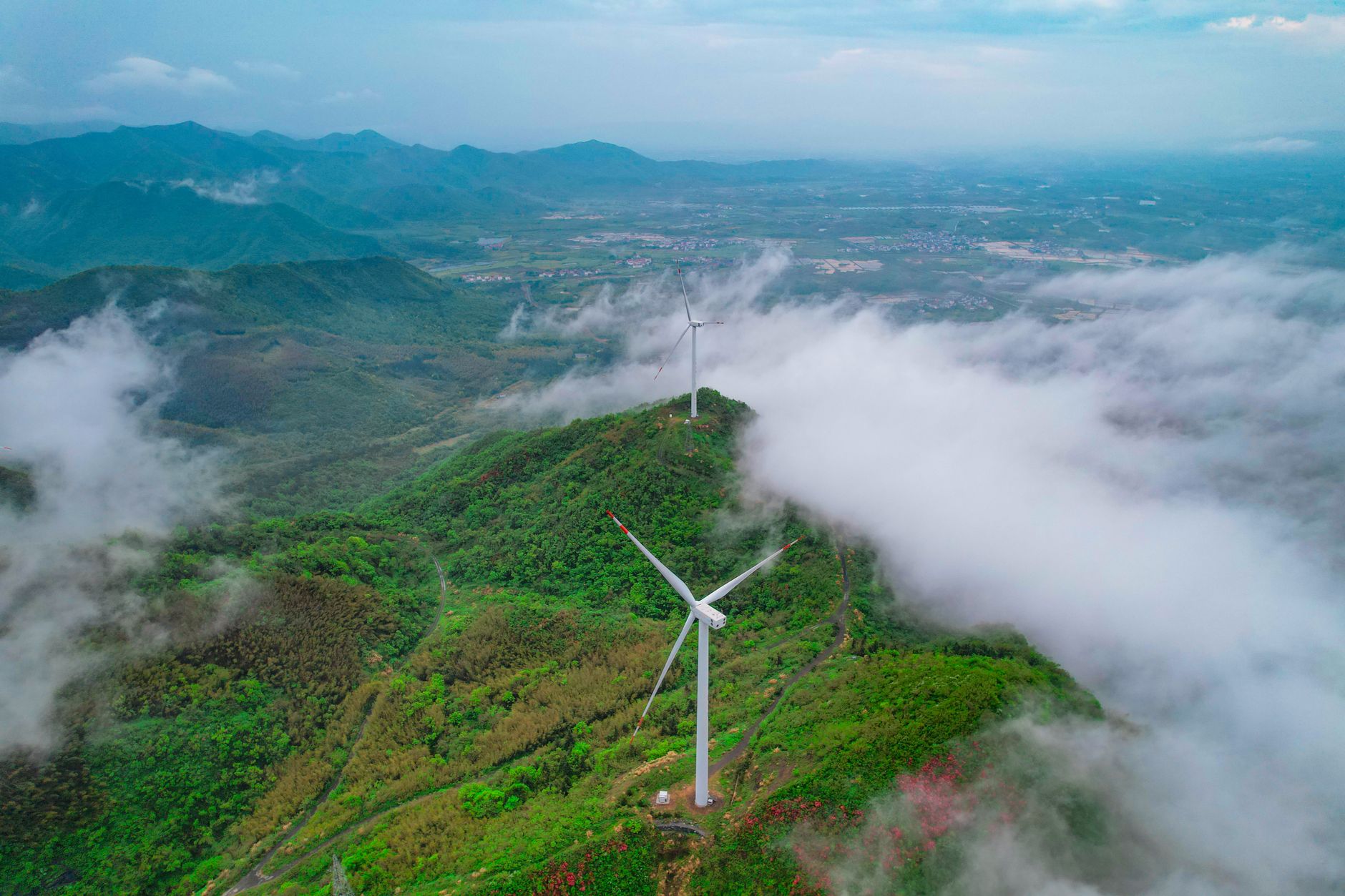
As the world watches with bated breath, China is on the cusp of rolling out the first-ever Ecological and Environmental Code, a legislative milestone that promises to transform its approach to environmental governance. The Ministry of Ecology and Environment (MEE) has announced that artificial intelligence will play a pivotal role in assessing and managing ecological damage, a move that could serve as a model for other nations grappling with environmental challenges.
AI: The New Environmental Custodian
The integration of artificial intelligence into environmental protection efforts is not merely a technological upgrade; it represents a paradigm shift. AI will be employed to analyse vast datasets to identify patterns of ecological degradation and predict future risks. This data-driven approach aims to enhance the accuracy and efficiency of environmental assessments, which have traditionally relied on manual methods prone to human error.
According to the MEE, AI's ability to process and interpret complex environmental data will support the swift identification of ecological threats, enabling timely interventions. "By harnessing AI, we can ensure that our environmental policies are informed by the most accurate and up-to-date information," noted an MEE spokesperson. This technological advancement aligns with China's broader vision of an ecological civilisation, a concept that emphasises harmony between human activities and the natural world.
Global Implications
China's commitment to ecological reform is not just a domestic affair. The implications of its Ecological and Environmental Code are far-reaching, potentially setting a precedent for other countries. As climate change and environmental degradation continue to dominate global discourse, China's proactive stance sends a clear message about the importance of robust environmental legislation.
Moreover, the use of AI in environmental governance could inspire other nations to adopt similar technologies, thereby advancing global efforts towards sustainable development. While the challenges of implementing such a comprehensive code are manifold, the potential benefits of a cleaner, healthier environment could be transformative.
In summary, as China prepares to implement its groundbreaking Ecological and Environmental Code, the world will be watching closely. The effective use of AI in this context not only underscores China's leadership in environmental innovation but also signals a hopeful step towards a more sustainable future.