China's Tech Revolution: AI Chips Take Centre Stage Amid US Tensions
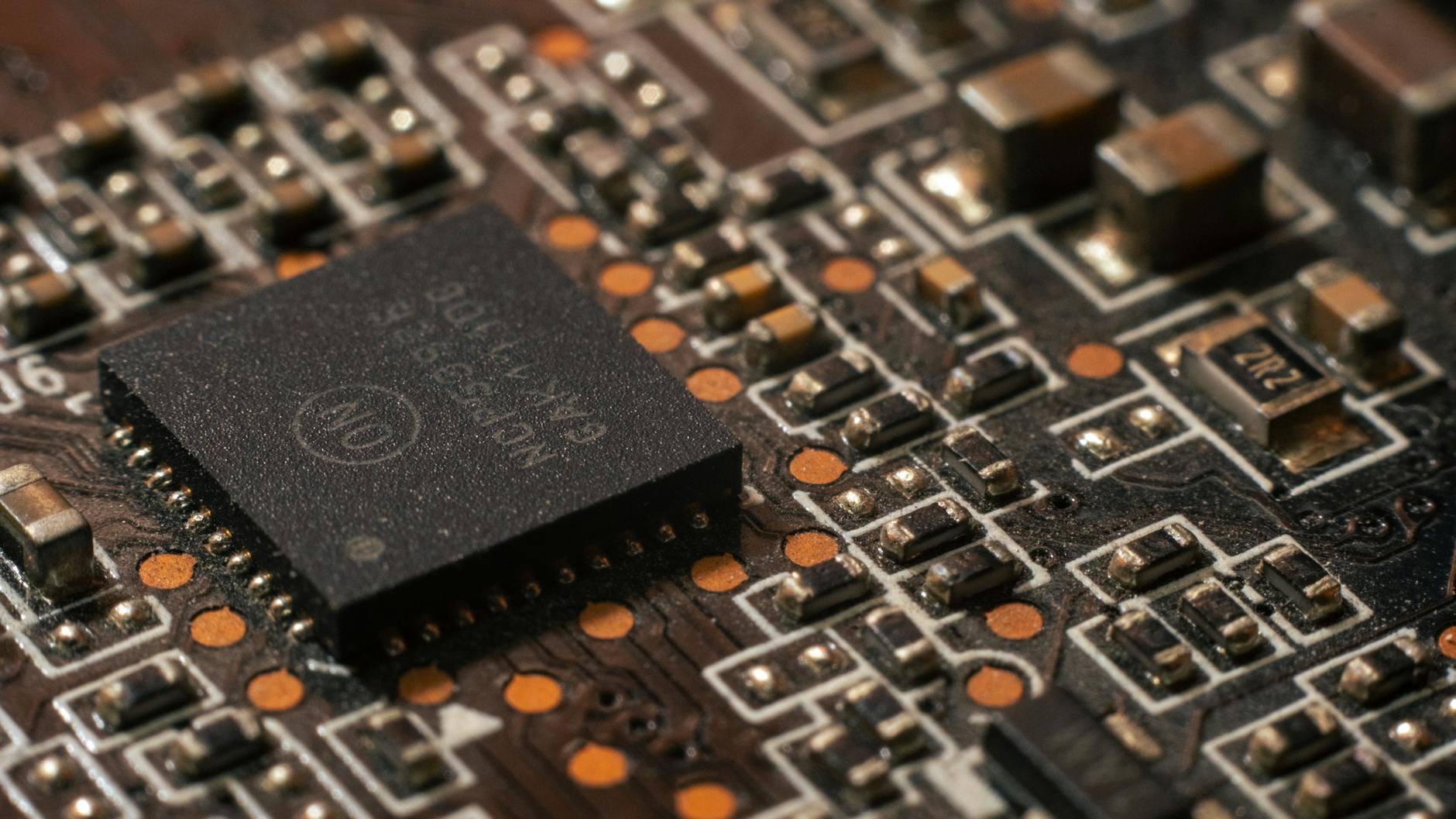
In a move that could reshape the global tech hierarchy, China has decided to widen its trusted technology certification to encompass artificial intelligence (AI) processors. This strategic manoeuvre aims to fortify the nation's burgeoning domestic chip industry amid escalating tensions with the United States.
The expansion comes as a direct response to the US-imposed restrictions on the export of advanced AI chipsets, such as NVIDIA's H100 processors. These chips are pivotal for high-performance computing tasks and large language models, crucial for the development of AI technologies.
China's decision to pivot towards home-grown technology is not merely a defensive tactic but a bold stride towards self-reliance. The country has witnessed the emergence of two new AI industry alliances, designed to foster a robust domestic ecosystem in the face of US constraints. As Wei Sun, a principal AI analyst at Counterpoint Research, notes, the US export controls are not stalling China's AI progress but are instead compelling it to build an alternative tech stack.
Domestic Ambitions
By extending its certification to include AI processors, Beijing is signalling its intent to dominate the AI landscape with indigenous advancements. The move is expected to accelerate the development of local semiconductor firms, potentially transforming them into global contenders.
Moreover, this shift is likely to spur innovation within Chinese borders, as companies are pushed to innovate their way out of dependency on foreign technology. The new AI chips, particularly those inspired by NVIDIA’s H200 series, are tailored to meet the demands of AI workloads, positioning China as a formidable player in the global tech arena.
Implications for Global Tech
The ripple effects of China's tech drive extend far beyond its borders. As the world's second-largest economy challenges US tech hegemony, global supply chains may witness significant realignments. International tech firms might find themselves navigating a more fragmented market landscape, where allegiance to one of the two tech superpowers becomes inevitable.
While the immediate future remains fraught with geopolitical uncertainty, one thing is clear: China's resolve to achieve tech independence is reshaping the contours of global technology competition, setting the stage for a new era of innovation and rivalry.