Chinese Tech Revolutionises Uzbekistan's Cotton Industry
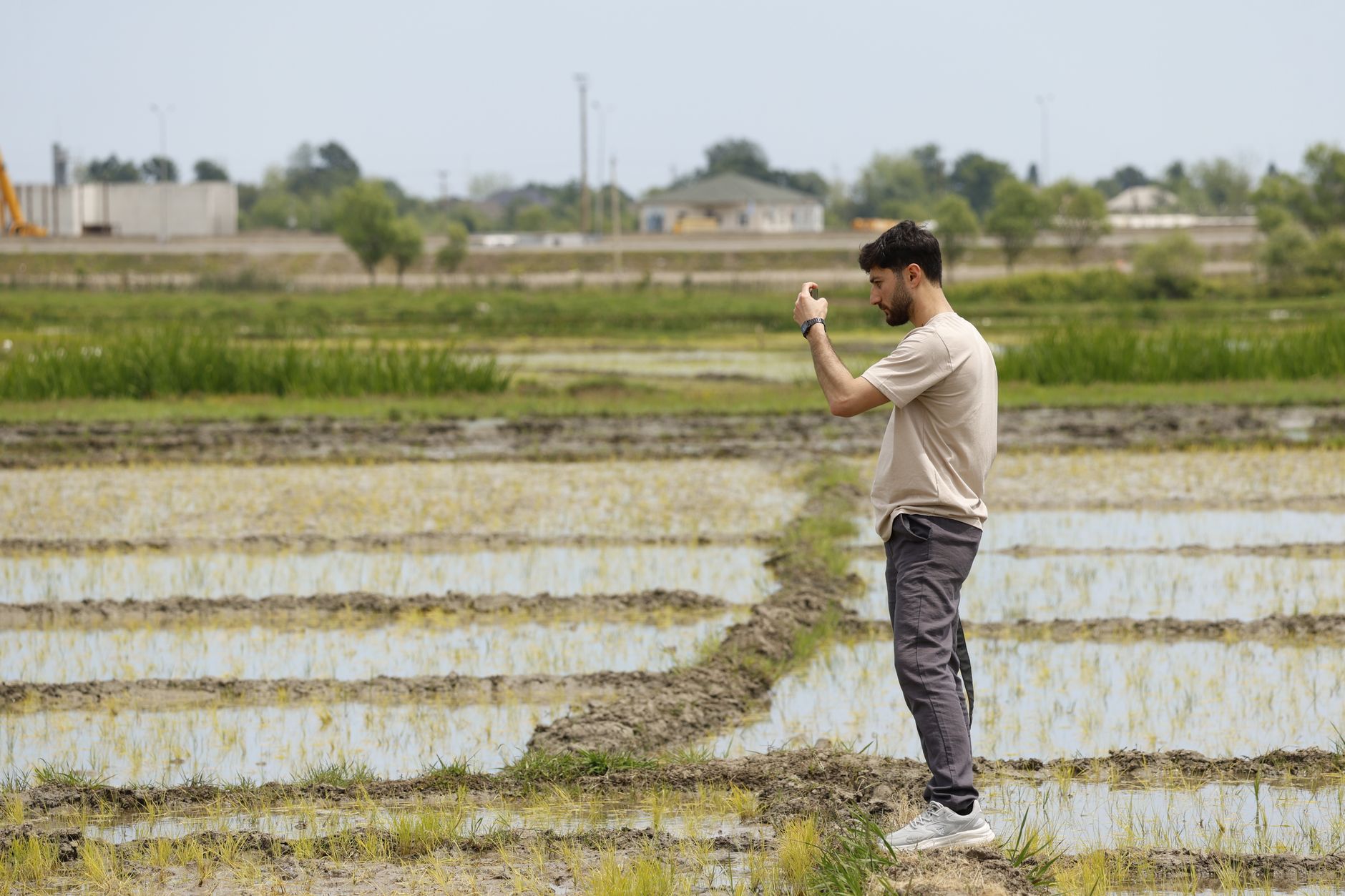
In the sun-scorched fields of southern Uzbekistan, a quiet revolution is underway. Chinese drip-irrigation technology, already a staple in many arid regions, is transforming the way water-deprived farmers cultivate the nation's cotton. Once reliant on traditional methods, these farmers are now seeing their fields bloom like never before, with yields expected to reach an impressive nine tonnes per hectare.
The collaboration between China and Uzbekistan goes beyond mere irrigation. Advanced Chinese machinery is being deployed, streamlining the planting and harvesting processes. Post-harvest, modern Chinese techniques in processing ensure that the cotton not only meets international standards but also fetches a better price on the global market.
Benefits Beyond Borders
This technological infusion is not simply about bolstering Uzbekistan's cotton output. It symbolises a growing partnership between the two nations, strategically important for both. For Uzbekistan, it offers a lifeline to an industry that is a cornerstone of its economy, providing employment and revenue. For China, it secures a reliable source of raw materials, crucial for its vast textile industry.
Moreover, the sustainability aspect cannot be overlooked. In a region where water is increasingly scarce, efficient use is paramount. The drip-irrigation systems reduce wastage significantly, conserving a precious resource and allowing more land to be cultivated effectively.
A Model for Future Cooperation
This partnership could serve as a model for other nations grappling with similar challenges. As climate change continues to strain global resources, such collaborations offer a pragmatic approach to ensuring food security while fostering international ties.
While challenges remain, particularly in ensuring the technology is accessible to smaller farmers, the initial success offers hope. The cotton fields of Uzbekistan, once emblematic of Soviet-era inefficiencies, now stand as a testament to what can be achieved through international cooperation and technological innovation.