Cities Ranked for Environmental Quality: Honolulu Tops, Delhi Lags
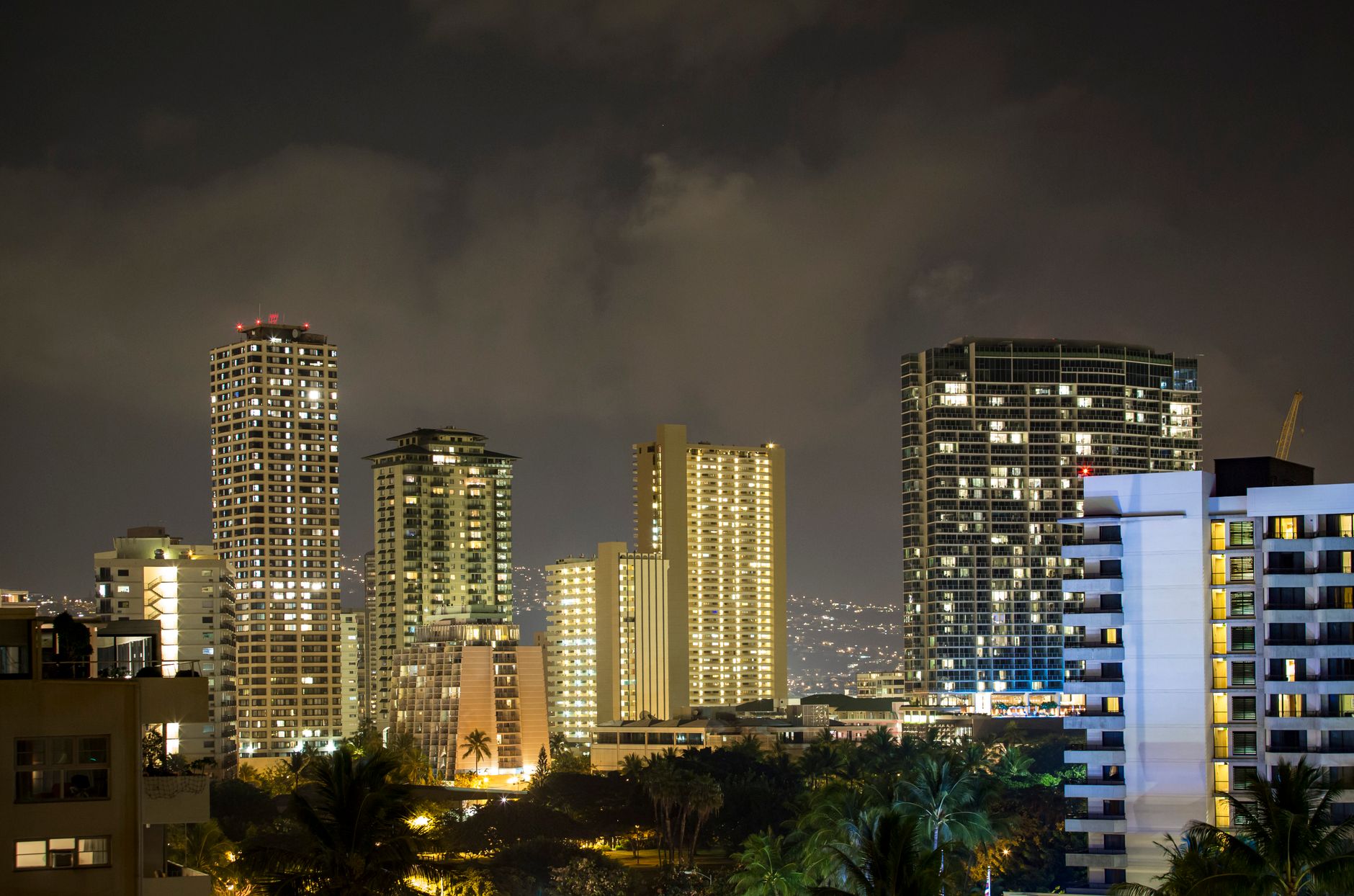
In a world where urban centres are the pulse of human activity, the quest for sustainability has become paramount. A recent ranking has placed Honolulu at the pinnacle of environmental quality, with an enviable score of 100. This accolade highlights the city's commitment to maintaining clean air and preserving its natural resources.
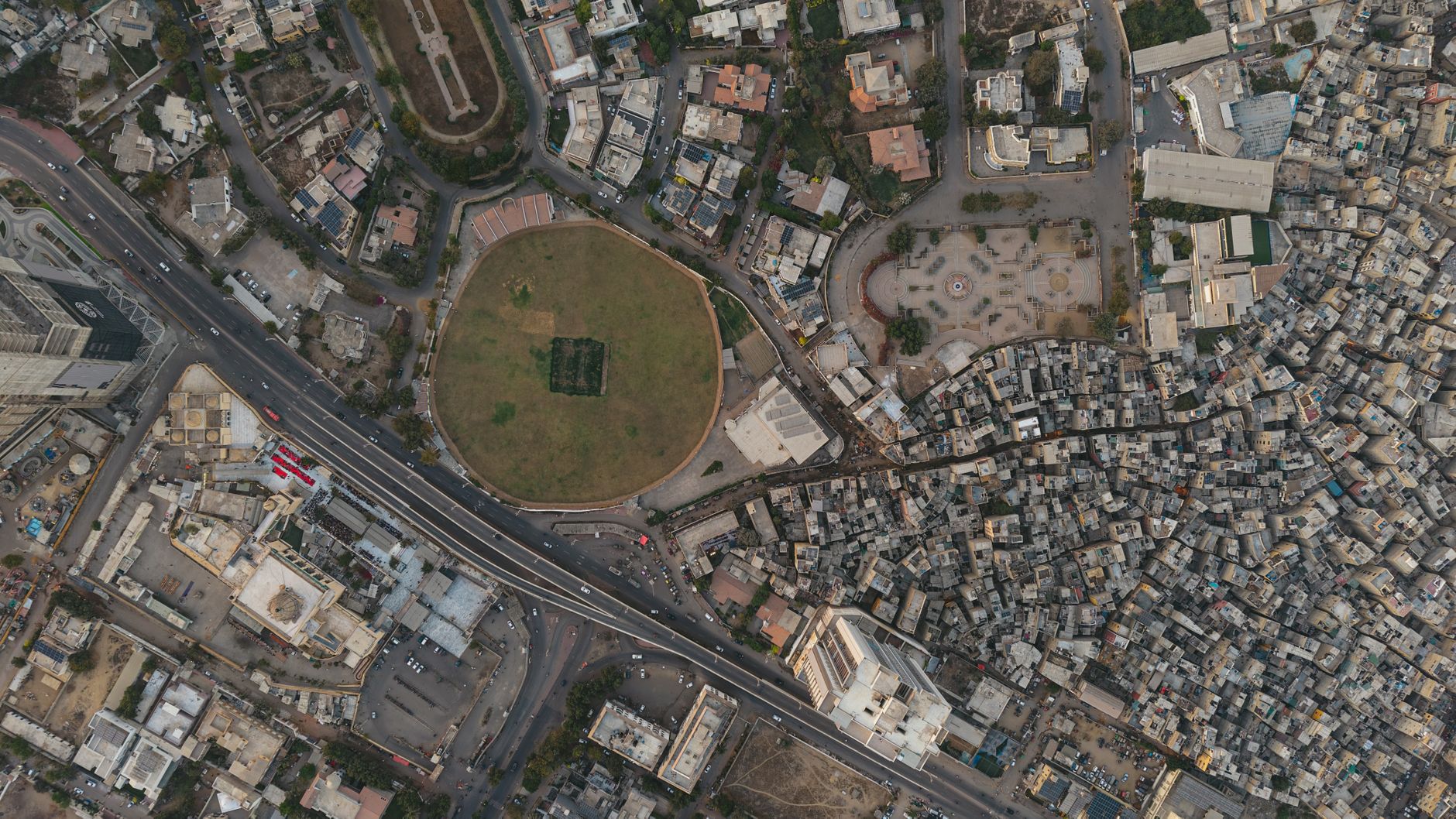
On the other end of the spectrum lies Delhi, often in the spotlight for its hazardous air quality. Despite efforts to combat pollution, the Indian capital continues to struggle with severe PM2.5 levels, a major health hazard. The situation in Delhi serves as a stark reminder of the urgent need for effective environmental policies.
Contrasts in Environmental Efforts
While Honolulu basks in its success, other cities such as Fortaleza in Brazil and Bergen in Norway are also making commendable strides. These cities have been recognised for their innovative approaches to reducing pollution and improving urban living conditions.
In contrast, cities like Riverside, California, face challenges with air quality, while El Paso, Texas, is noted for its strong ultraviolet risk. These environmental issues underscore the diverse challenges cities face in their quest for sustainability.
The Global Perspective
Globally, the contrast between cities like Honolulu and Delhi highlights the varying degrees of environmental challenges. While some cities benefit from geographical advantages and proactive governance, others are hindered by rapid urbanisation and lack of infrastructure.
The rankings serve not just as a critique but as a call to action. They encourage cities to adopt sustainable practices and policies that protect both the environment and public health. As urban populations continue to swell, these efforts are not just desirable but essential for a healthy future.