City Hospital Makes History with First Robot-Assisted Surgeries
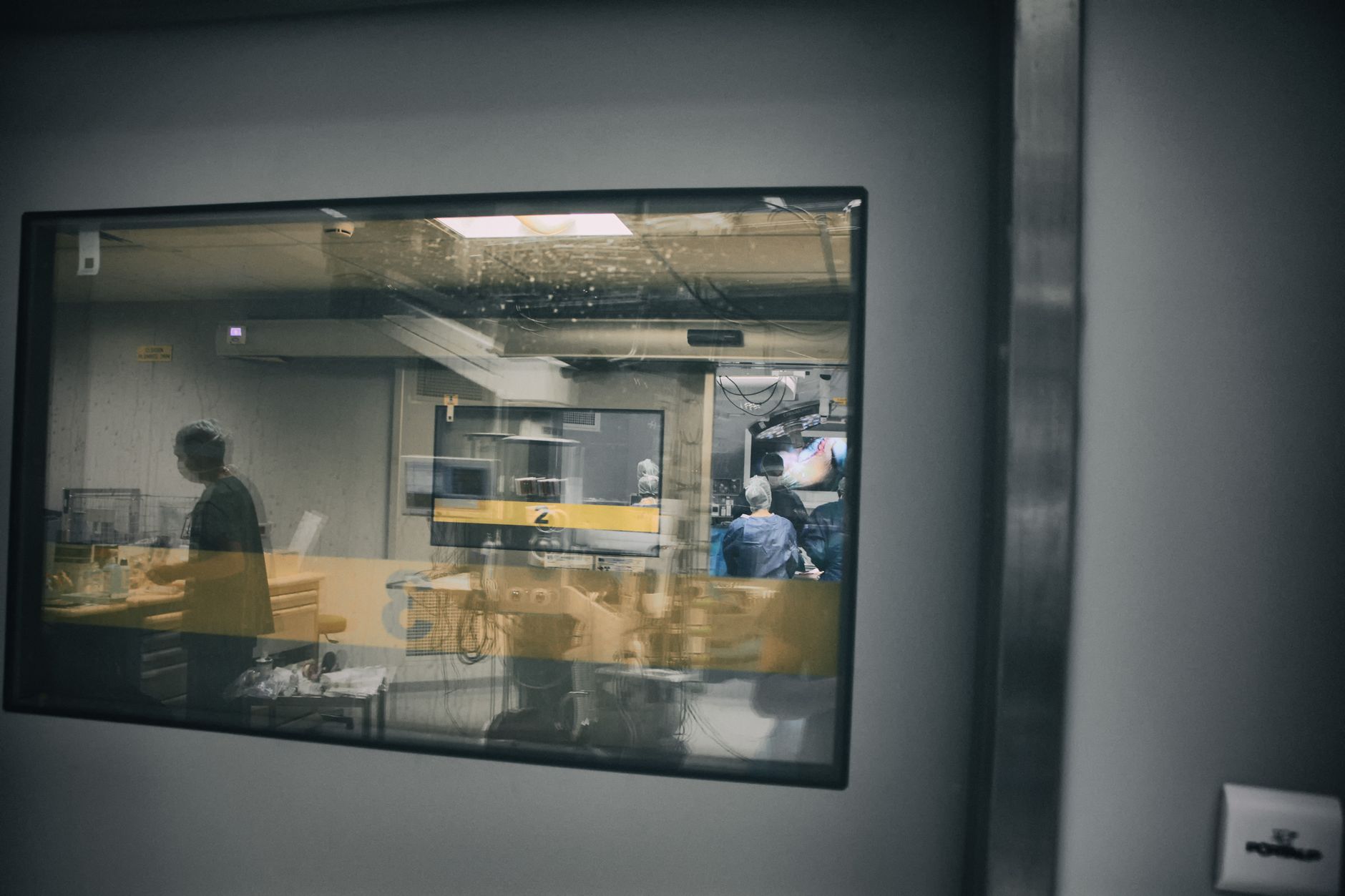
In a quiet corner of the city, history was quietly crafted within the sterile confines of an operating theatre. A team of surgeons, wielding not scalpels but sophisticated joysticks, recently performed the first robot-assisted surgeries at a local hospital. Armed with 3D vision technology, these mechanical assistants herald a new era in surgical precision.
The surgeries, conducted over the past week, involved complex procedures that required the utmost accuracy. The robots, guided by the deft hands of experienced surgeons, mimicked human movements with an uncanny grace. This fusion of human skill and technological prowess promises to revolutionise the way surgeries are performed.
Precision and Control
Robot-assisted surgeries are not entirely new; however, this venture is notable for its incorporation of 3D vision, offering surgeons an unparalleled view of the surgical site. This technology allows for manoeuvres previously deemed too intricate for traditional methods. Surgeons can operate with increased dexterity, reducing the risk of complications and enhancing recovery times.
Dr. Samantha Clarke, who led the team, remarked, “The precision we can achieve with robotic assistance is remarkable. It opens up possibilities for minimally invasive procedures that were once considered too risky.”
The Road Ahead
As robots continue to carve their niche within the medical field, ethical and practical questions abound. Concerns about cost, accessibility, and the potential for machine error remain. However, proponents argue that the benefits far outweigh the risks, citing improved patient outcomes and reduced recovery times.
For now, the city hospital stands at the forefront of this medical frontier. While the robots may be the stars of this surgical show, it is the collaboration between human and machine that truly takes centre stage. As robotic technology advances, it holds the promise of transforming healthcare, one surgery at a time.