CJP Calls on Modi to Address Youth's Future in Independence Day Speech
In a move that seeks to make the voices of India's youth resonate in the corridors of power, the Cockroach Janta Party (CJP) has initiated a petition urging Prime Minister Narendra Modi to address the nation's pressing issues of education, unemployment, and inflation in his upcoming Independence Day speech.
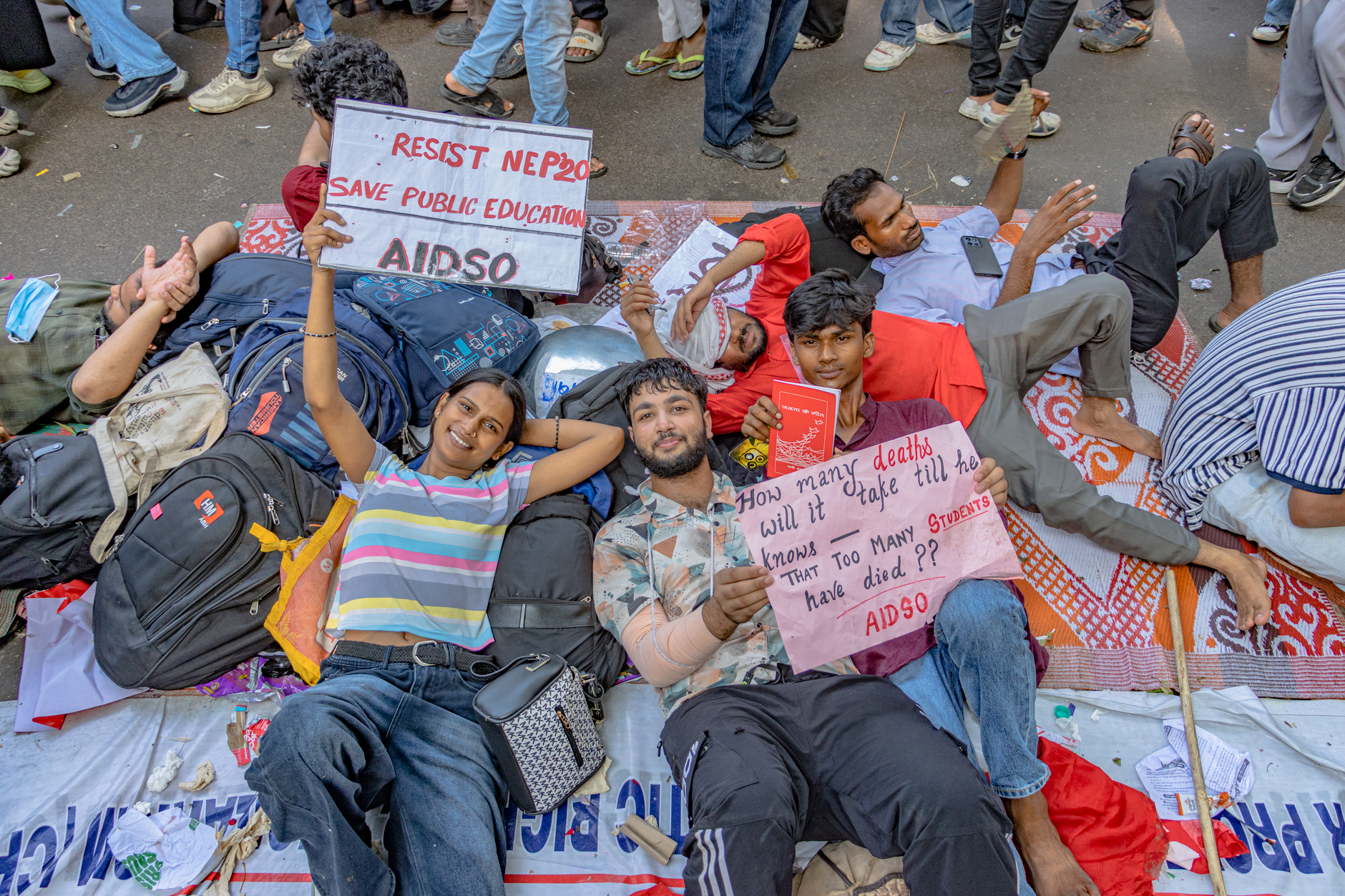
Abhijeet Dipke, the founder of this rather audaciously named party, spearheads the movement. His recent activities include a 36-day protest against irregularities in the NEET exams, a pivotal issue for many aspiring students across India. These actions have underscored the party's commitment to education reform and transparency.
The petition, launched online, calls for a direct dialogue with the youth, urging Modi to use his platform to speak about the future of millions. With unemployment rates and living costs steadily climbing, the CJP argues that the Prime Minister’s address should pivot towards actionable promises rather than platitudes.
A Listening Tour to Amplify Youth Voices
As part of their campaign, the CJP plans to embark on a national listening tour. This initiative aims to gather firsthand accounts from young people about their educational experiences and employment challenges. The findings, the party hopes, will create a comprehensive picture of the current socio-economic landscape faced by India's youth.
Dipke remarked, "It's not just about raising issues; it's about creating a platform where the youth feel heard and their concerns are addressed at the highest levels." The party believes that engaging with young voices directly will help shape policies that are more aligned with the realities on the ground.
Why the Focus on Independence Day?
Independence Day has traditionally been a moment of reflection and aspiration for India. The CJP's decision to target this particular occasion is strategic. They believe it presents a unique opportunity for the government to reaffirm its commitment to its youth, who constitute a significant portion of the electorate.
While sceptics may question the efficacy of such petitions, the CJP remains optimistic. "A conversation must start somewhere," Dipke insists. As the date draws near, all eyes will be on whether the Prime Minister chooses to heed this call, potentially setting a tone for a more youth-centric policy approach going forward.