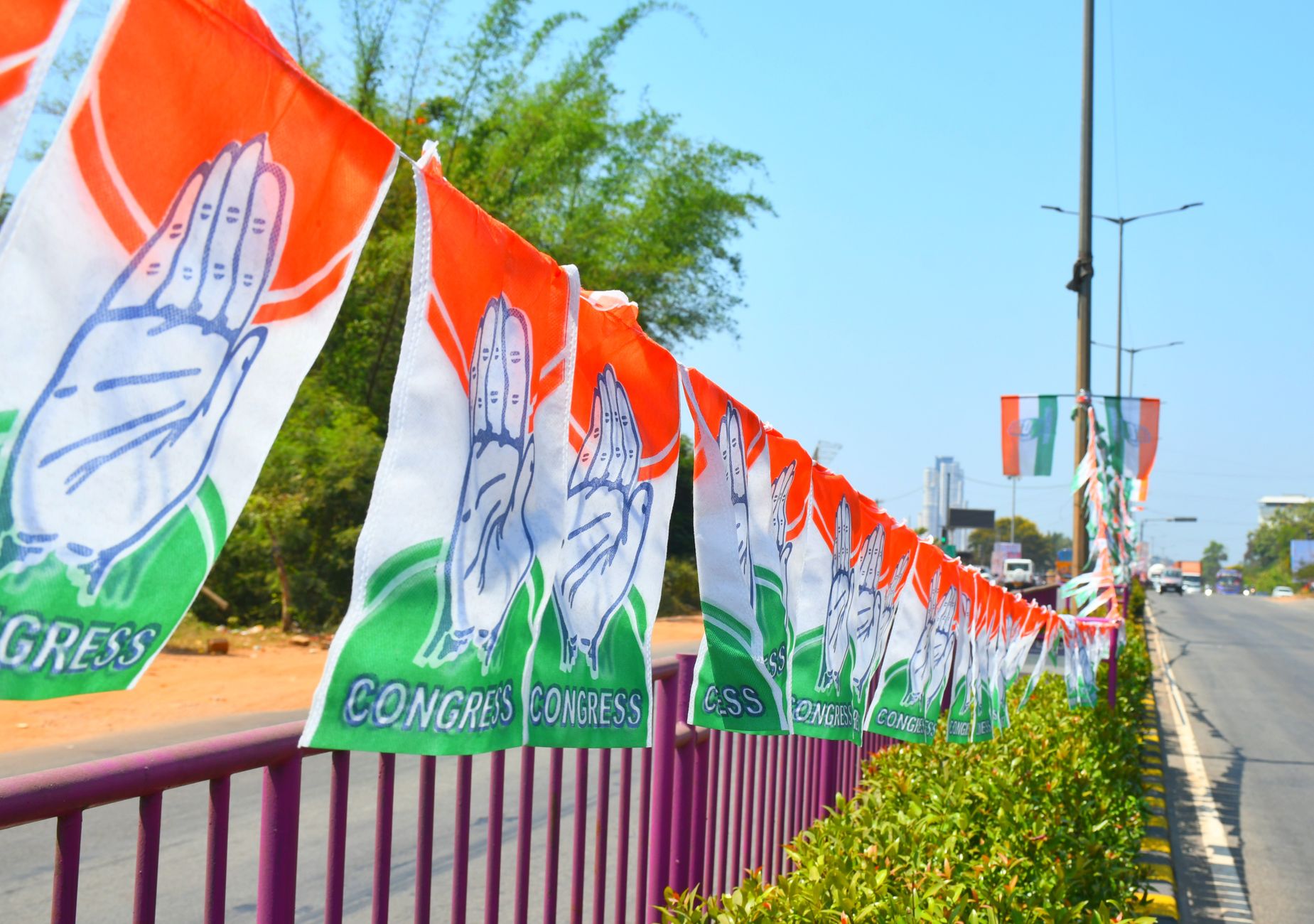
CJP Urges Protesters to Wave Tiranga, Shun Political Flags in March

Amidst the simmering tensions in New Delhi, the Cockroach Janta Party (CJP) has outlined a set of guidelines for its supporters ahead of the 'Chalo Sansad' march, a protest set to coincide with the opening day of Parliament's Monsoon Session. The CJP's advisory, released on the eve of the march, eschews political flags in favour of the Tiranga, the national flag, as a symbol of unity.
The march, commencing from Jantar Mantar to the gates of Parliament, seeks to highlight alleged irregularities in the NEET examination and demand the resignation of Union Education Minister Dharmendra Pradhan. However, the Delhi Police have made it clear that no official permission has been granted for the gathering, prompting heightened security measures in the vicinity of the Parliament.
A Call for Peaceful Protest
The CJP's advisory is unequivocal in its emphasis on maintaining peace. Participants have been urged to document their interactions with authorities and to vocalise only positive, non-confrontational slogans. By focusing on the national flag and avoiding political symbols, the CJP aims to cultivate a sense of national unity and legitimacy around their cause, distancing itself from overt political agendas.
The decision to steer clear of political imagery, however, is not merely symbolic. It reflects a nuanced understanding of the need to appeal to a broader public sentiment, especially given the contentious backdrop of recent protests in the capital. The organisers hope that by framing the protest as a national concern rather than a partisan issue, they can garner wider public support.
Security and Political Implications
With the police denying official permission, the potential for confrontation looms large. Nevertheless, the CJP seems determined to proceed, banking on the visibility and media attention that such a protest, positioned against the backdrop of Parliament's first day, naturally attracts.
For the government, the timing of the protest is awkward, to say the least. As MPs gather to discuss pressing national issues, the adjacent streets may resound with the voices of dissent, reminding them of the unresolved grievances surrounding educational reforms.
In the days to follow, the efficacy of CJP's strategy—of waving the Tiranga and avoiding political banners—will be closely scrutinised. The success of this approach could set a precedent for future protests, where the symbolism of the national flag is harnessed to transcend political divides.