Claude Unveils Enzyme System Echoing CRISPR Innovations
In a surprising turn of events, the world of genetic engineering may soon be poised for another leap. Claude, a sophisticated AI model, has stumbled upon a novel enzyme system that bears striking similarity to the famed CRISPR technology. This discovery, intriguingly named Array-Associated Reverse Transcriptase (ART), is already causing ripples in scientific circles.
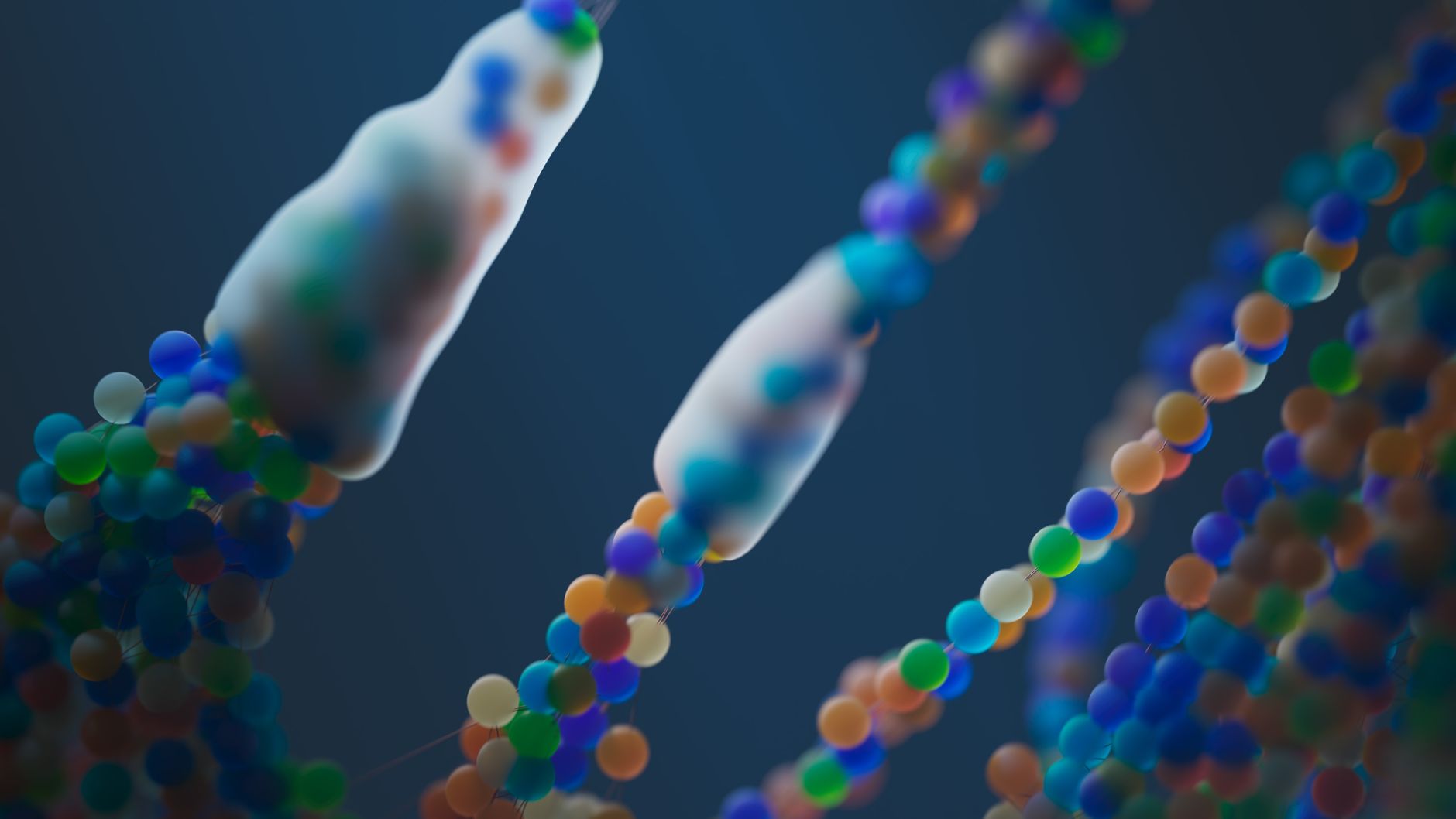
Unlike the celebrated CRISPR systems, which have revolutionised genetic editing by allowing precise modifications to DNA, ART appears to involve a complex dance of elements. It pairs a reverse transcriptase enzyme with a partner gene, all intricately orchestrated with an array of evenly spaced DNA repeats. Such a configuration has been spotted primarily in bacteriophages, the viruses that infect bacteria, suggesting a potential role in bacterial interactions.
A New Frontier in Genetic Research?
The implications of this discovery are both intriguing and, as yet, uncertain. While CRISPR's applications in medicine and agriculture have been well documented, ART could open new avenues. The presence of these CRISPR-like repeats hints at mechanisms that could be harnessed for novel gene-editing strategies or even biotechnological applications. Scientists are particularly interested in understanding how these systems might be involved in horizontal gene transfer, a process by which organisms exchange genetic material outside of traditional reproduction.
Anthropic, the organisation behind Claude, has been tight-lipped about the specifics. However, they emphasise the potential of ART to expand the toolkit available to geneticists and bioengineers. The discovery shines a spotlight on the power of AI in scientific research, showcasing how machine learning models can contribute to identifying patterns and systems previously overlooked by human researchers.
As the scientific community eagerly awaits more comprehensive data, one thing is clear: the identification of ART underscores the vast potential of AI-powered inquiry in unearthing nature's hidden complexities. It’s a reminder that in the realm of scientific discovery, sometimes the most profound insights come from the most unexpected places.