Closing the Doors: The Decline of Government Schools
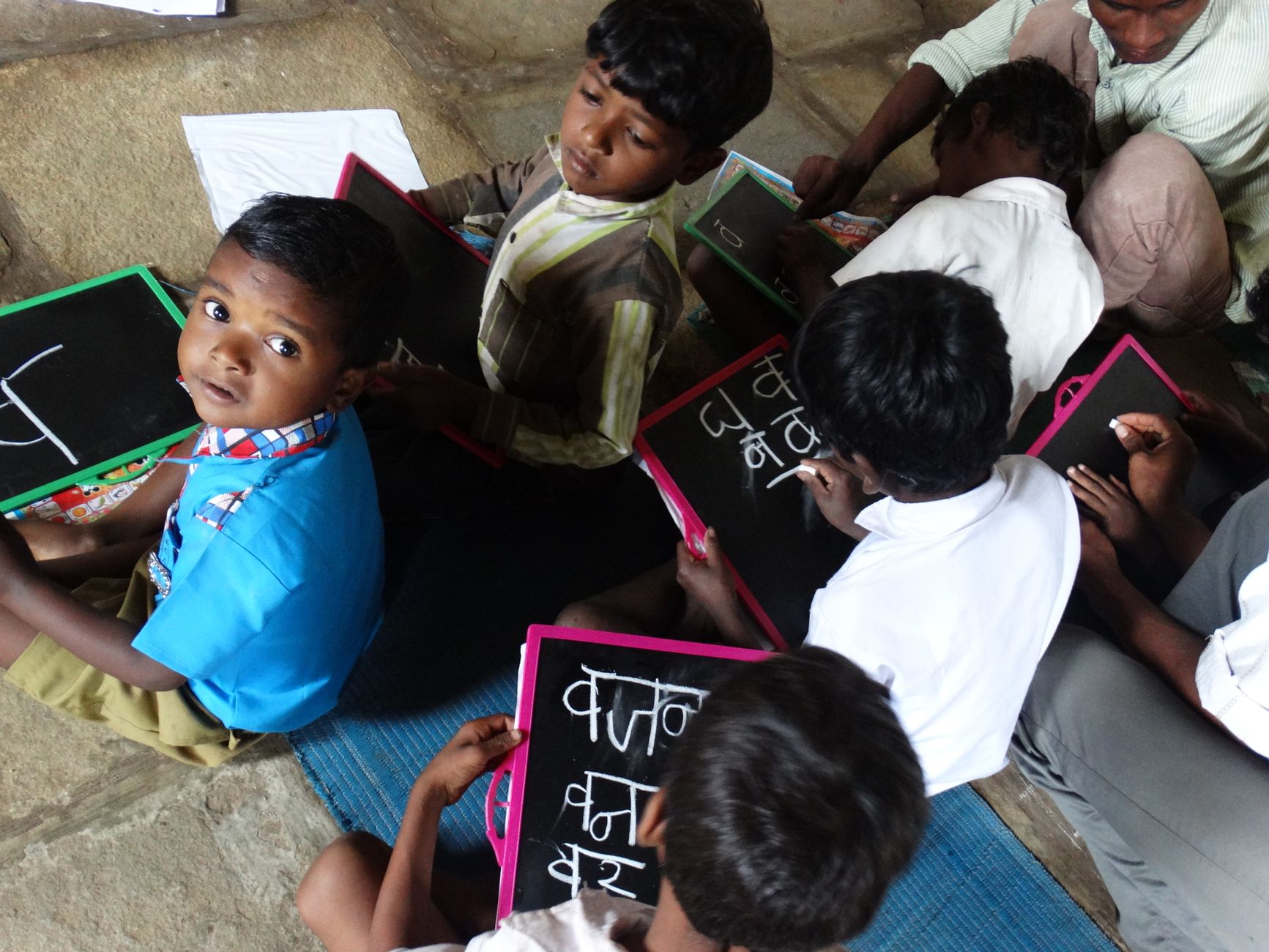
In the bustling corridors of Indian education, a shadow looms over government schools. Once the cornerstone of public education, these institutions are now facing an alarming decline. Recent figures reveal a sharp drop in enrolment, with the government school share plummeting from 71% in 2005 to a mere 49.24% in the 2024-25 academic year.
Several factors are driving this trend. Economic constraints have led to budget cuts, resulting in deteriorating infrastructure and inadequate resources. Meanwhile, a demographic shift sees more families opting for private education, lured by promises of better facilities and English-medium instruction.
Impact on the Disadvantaged
The closure of government schools hits the most vulnerable hardest. For many children from low-income families, these schools represent the only accessible path to education. With closures, these students face longer commutes or are forced into overcrowded classrooms, exacerbating educational inequities.
The preference for private education is also fuelled by a growing middle class, eager to provide their children with what is perceived as a superior learning environment. This shift is not without consequence; it threatens to create a divide that could persist for generations.
Solutions and Challenges
The government faces the daunting task of reversing this trend. Investment in infrastructure, teacher training, and curriculum reform are essential steps. Yet, these solutions require significant funding and political will, both of which are in short supply.
As government schools shut their doors, the implications for India's educational landscape are profound. The closure of these institutions not only signals a shift in educational preferences but also poses a significant challenge to the nation's commitment to equitable education for all.