Concerns Mount Over Environmental Study of Goa-Karnataka Rail Project
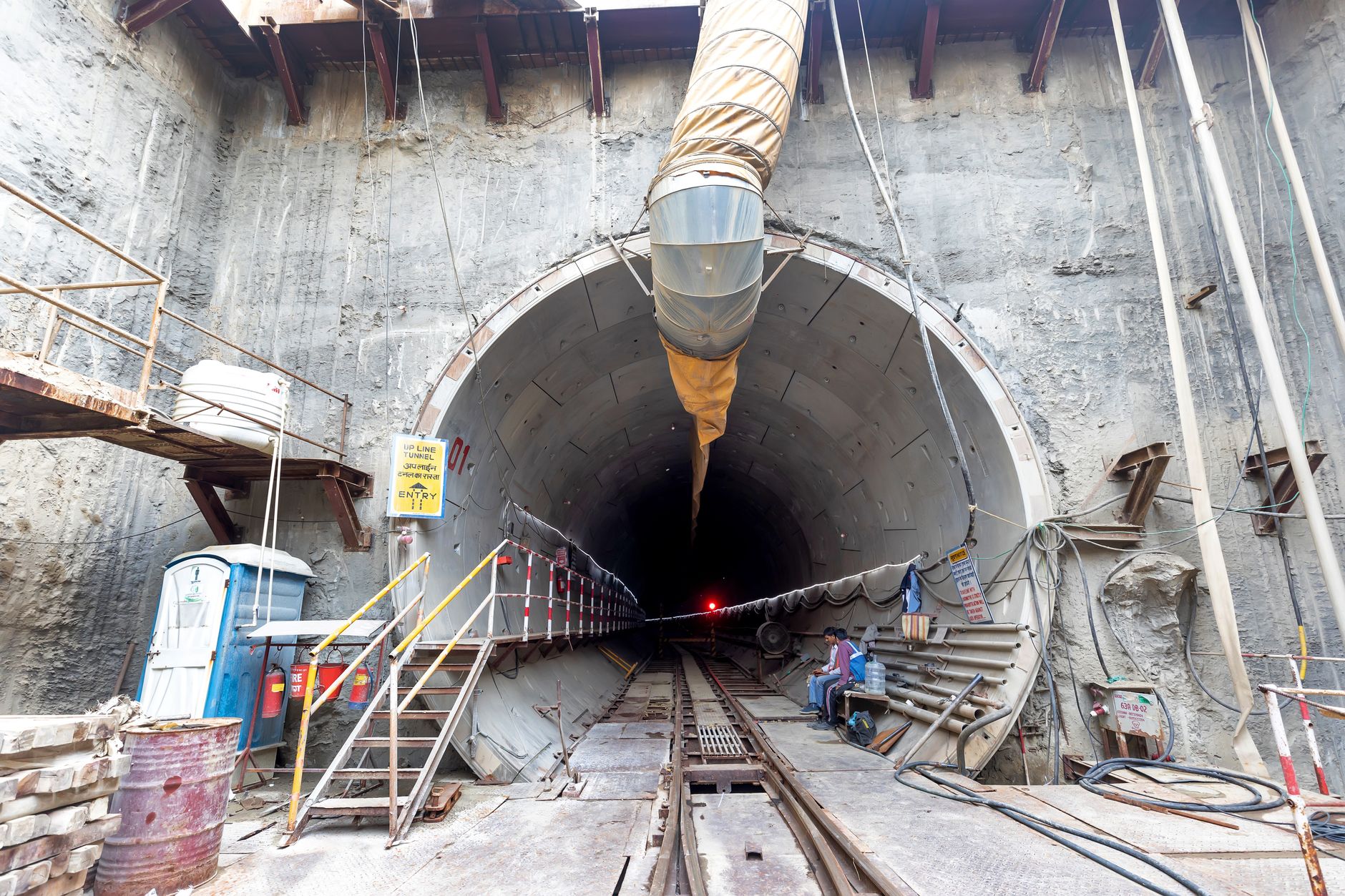
In the dense heart of Goa's Mollem National Park, whispers of controversy are echoing louder than the train whistles. The proposed doubling of the Tinaighat-Kulem railway line, a project intended to boost connectivity between Karnataka's industrial belt and Goa's bustling port, has become a flashpoint for environmental debate.
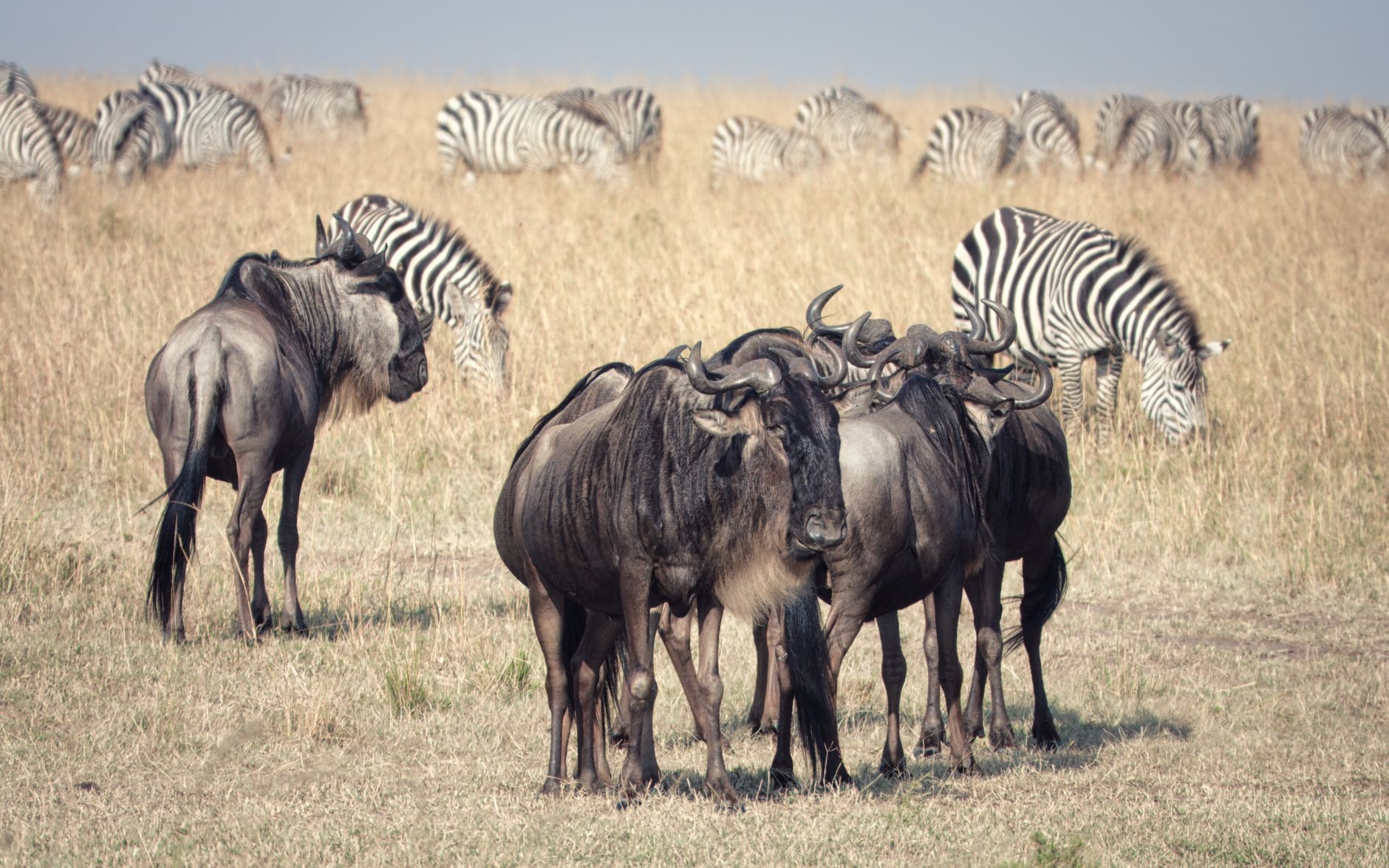
Critics, including environmentalists and local activists, have taken aim at the Wildlife Institute of India's (WII) environmental impact assessment (EIA), claiming it falls short in addressing the ecological and social ramifications. The report is said to have glossed over the profound biodiversity in the region, which includes endangered species and critical tiger habitats.
Omissions and Oversights
The WII's assessment reportedly missed key aspects, leading many to question its thoroughness and accuracy. For instance, the railway line traverses 120.8 hectares of protected land, cutting through both Goa's Mollem and Karnataka's Kali Tiger Reserve. These areas are not just havens for flora and fauna but also hold significant cultural and social value for local communities.
Environmental groups argue that the EIA did not adequately consider the potential disruption to wildlife corridors, nor did it address the socio-economic impact on communities dependent on these forests. With the Western Ghats being a UNESCO World Heritage Site, the stakes are particularly high.
A Call for Opposition
Amidst these concerns, anti-double tracking groups have called upon citizens to oppose the project. They argue that the long-term ecological costs far outweigh the short-term economic gains. These groups are mobilising efforts to challenge the study's findings and push for a more comprehensive analysis.
While the project promises improved infrastructure and economic benefits, the question remains: at what cost to the environment? As the debate rages on, it is clear that the balance between development and conservation is more precarious than ever in this verdant corner of India.