Concerns Rise Over Meta's Smart Glasses Among US Police
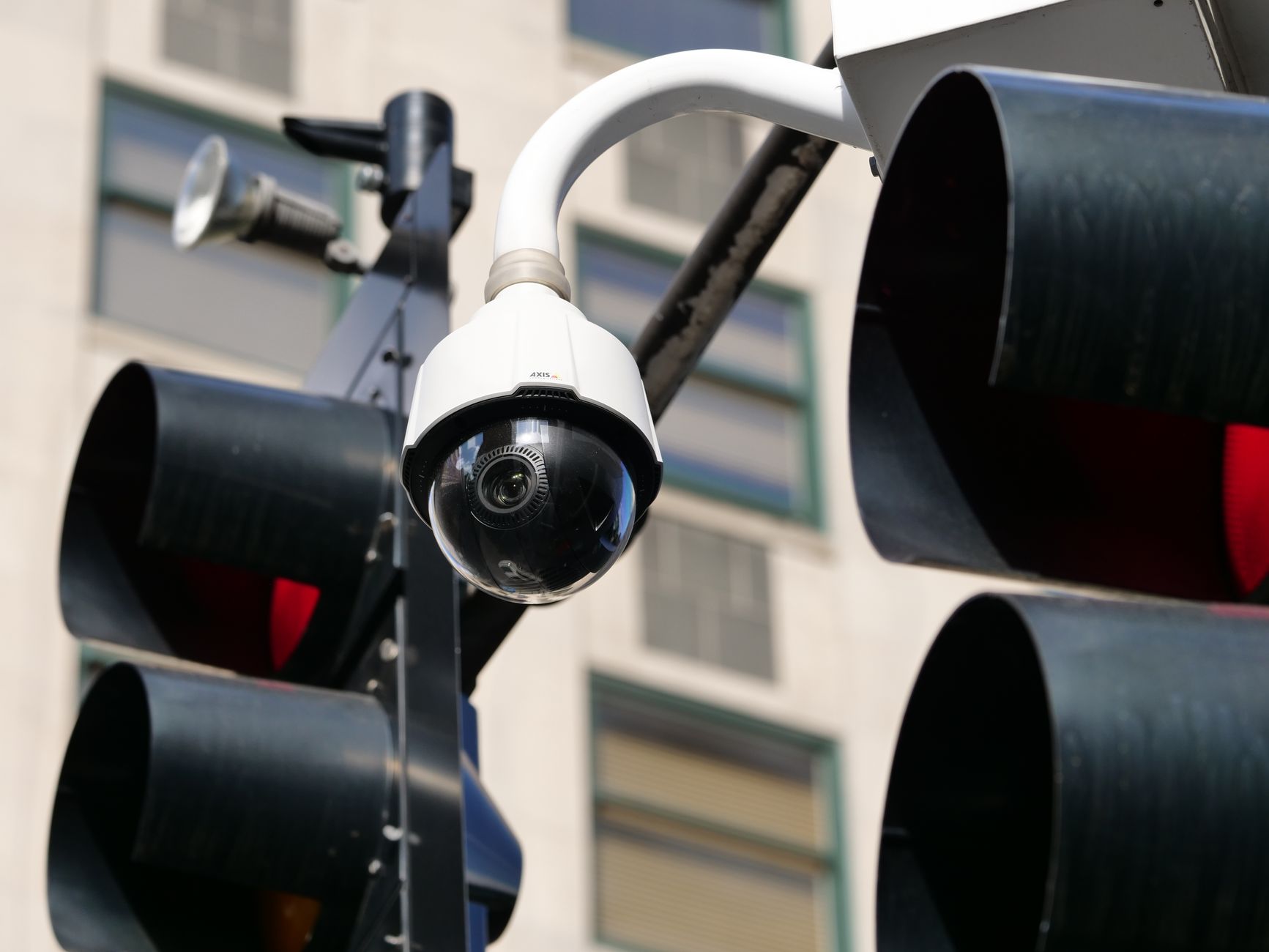
In an era where technology continually blurs the lines of privacy and security, Meta's latest innovation has found itself at the heart of a burgeoning controversy. Police forces across the United States, from the tranquil landscapes of Maine to the bustling streets of California, are increasingly apprehensive about the potential misuse of Meta's camera-equipped smart glasses.
Documents recently reviewed reveal a pervasive concern: that these seemingly innocuous devices could be wielded to secretly record law enforcement officers or facilitate criminal acts, including terrorism. The notion of an unassuming pair of glasses being used as a tool for covert surveillance has prompted a wave of unease among officers and federal agents alike.
The Risk of Covert Surveillance
The New York Police Department, in particular, has highlighted the risk these devices pose in secure environments. A confidential memo outlines fears that smart glasses could be smuggled into prisons, recording sensitive information such as cell layouts and security camera placements. Such recordings, if made public or utilised by malevolent actors, could undermine site protection routines and endanger lives.
It's not just the NYPD sounding the alarm. Across the nation, police departments are grappling with the implications of this technology. The capacity to discreetly record interactions with officers could lead to breaches of privacy and potentially compromise ongoing investigations.
Navigating the Legal and Ethical Landscape
As concerns mount, discussions have turned towards possible regulatory measures. The balance between technological innovation and privacy rights is a delicate one. Advocates for privacy rights argue that without stringent regulation, the potential for abuse is significant. Conversely, proponents of technological advancement warn against stymying innovation with heavy-handed oversight.
The debate is further complicated by the global nature of technology companies like Meta, whose products transcend borders and jurisdictions. Policymakers are thus challenged to create frameworks that address local concerns while considering the international ramifications of their decisions.
Ultimately, the introduction of Meta's smart glasses could herald a new chapter in the ongoing dialogue between privacy, security, and innovation. As the world watches and waits, the question remains: how will societies adapt to technologies that challenge traditional notions of surveillance and privacy?