Congo's Urgent Mission: Vaccinating Health Workers Against Ebola
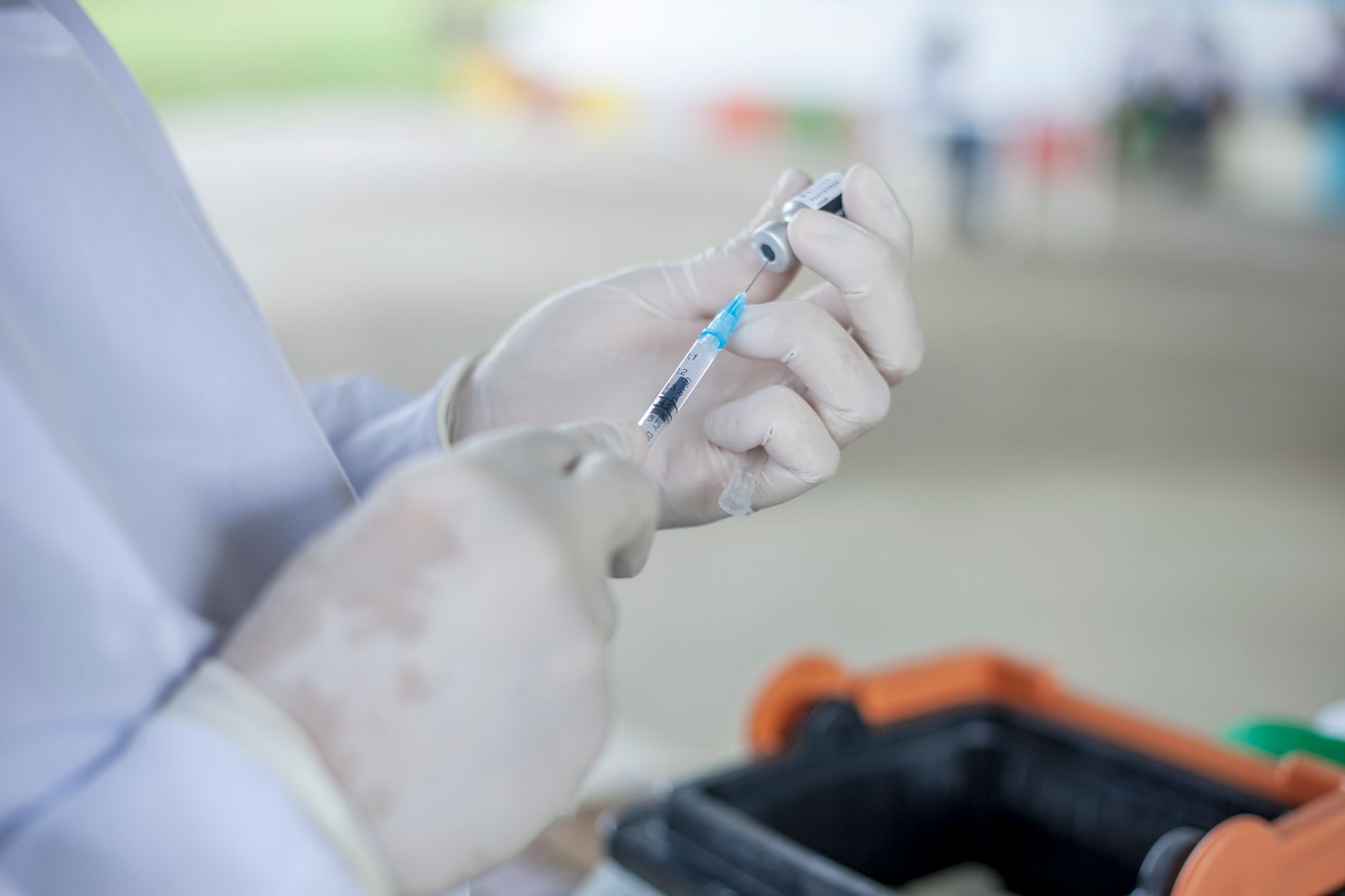
In the bustling town of Bunia, located in the Ituri province of the Democratic Republic of Congo, a race against time has commenced. As the Ebola virus continues its relentless march, a vaccination campaign targeting healthcare workers has been set in motion. In what is deemed the fastest-growing outbreak of the disease in history, local authorities have prioritised those on the front lines—those most exposed to the virus's perilous grip.
The provincial governor, in a statement underscoring the gravity of the situation, highlighted the critical role of healthcare workers: 'They are particularly exposed and deeply involved in the response.' The vaccination effort centres on Ervebo, a vaccine previously approved for a different Ebola species, now being used to stem the tide in what has become the country's largest and deadliest outbreak.
Over 50,000 doses have been allocated for this urgent mission. The aim is not only to protect the health personnel but also to bolster the overall response effort. With health workers immunised, the hope is to prevent further spread among the community they serve, allowing them to continue their vital work without the looming spectre of infection.
The Broader Impact
This vaccination initiative is more than just a medical intervention; it's a strategic move to stabilise a region reeling from the outbreak's impact. The Democratic Republic of Congo has faced numerous challenges in recent years, from political instability to other public health crises. This latest Ebola outbreak further strains an already fragile healthcare system.
Containing the virus is critical not only for the immediate health of the population but also for the socio-economic stability of the region. As the vaccination campaign progresses, it becomes a beacon of hope for many, signalling a potential turning point in the battle against Ebola.
However, challenges remain. Logistical hurdles, vaccine scepticism, and the region's complex geography are formidable obstacles. Yet, the determination of the health workers and the support of international partners provide a glimmer of optimism in this daunting fight.