Congress Criticises Saffron Hockey Jersey as Political Move

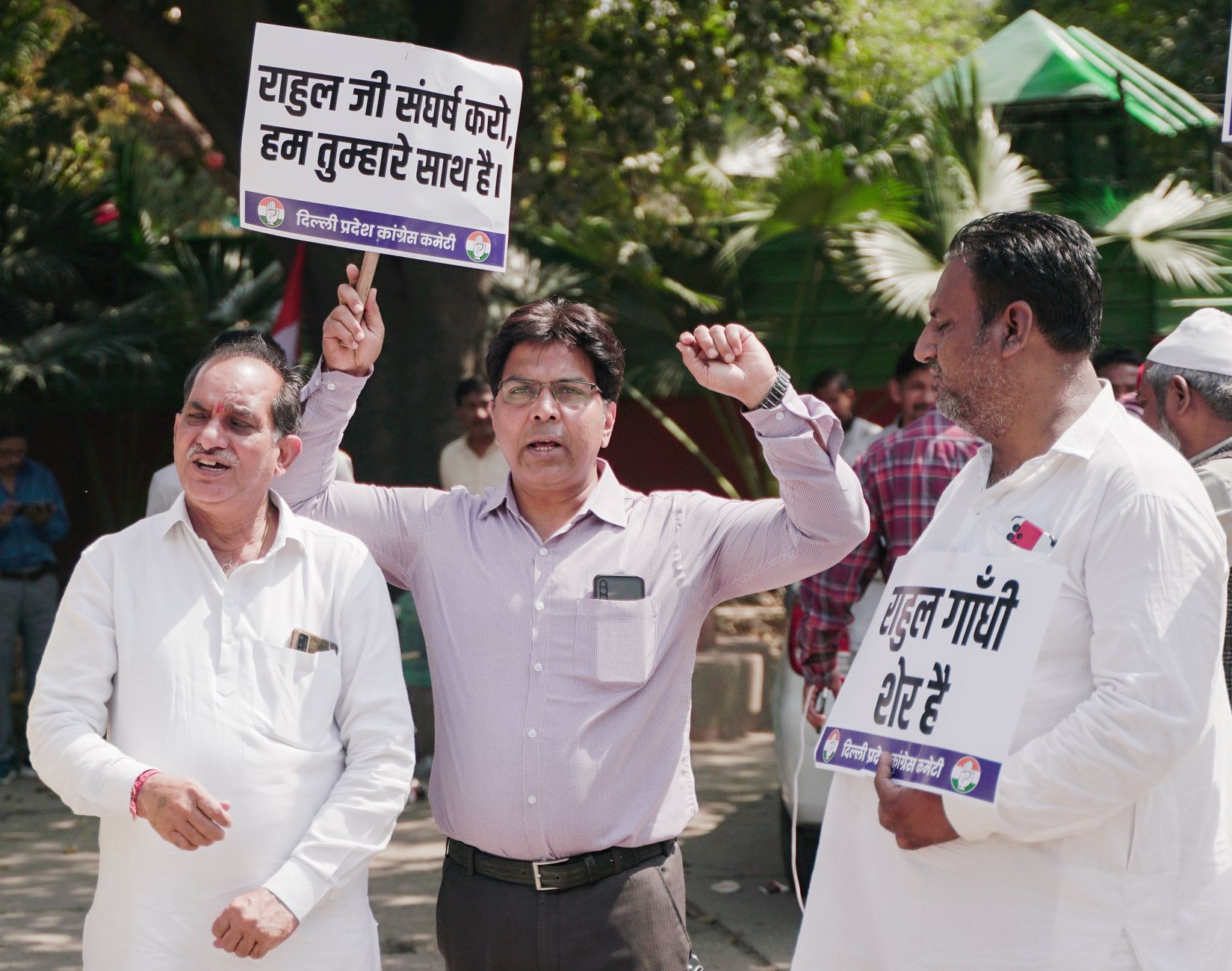
In a move that has sparked both consternation and debate, the Indian hockey team's decision to don a saffron jersey has been met with sharp criticism from the Congress party. The shift from the traditional blue, which has long been synonymous with the Indian team, to saffron has been branded by Congress as a 'narrow-minded political experiment'.
Congress MP Priyanka Gandhi Vadra has been particularly vocal, directing her ire at the Rashtriya Swayamsevak Sangh (RSS), whom she accuses of politicising sports. 'Sports should unite, not divide,' she remarked, highlighting concerns that this change is less about aesthetics and more about ideology.
The Role of Colour in Sports
For decades, the 'Men in Blue' have been a symbol of Indian unity and sporting prowess. The blue jersey is not just a piece of sportswear; it embodies national pride and identity on international platforms. The introduction of saffron, often associated with Hindu nationalism in India, has thus raised eyebrows and questions about the motives behind such a change.
Critics argue that sports should remain apolitical, a field where athletes compete not for ideological supremacy but for the glory of their nation. By altering the colour scheme, some fear that the line separating sports and politics is becoming increasingly blurred.
A Call to Return to Tradition
The Congress has called for a rollback of this decision, urging the government to reconsider the implications of intertwining politics with sports. They argue that the traditional blue is not just a colour, but a sentiment that resonates with millions of Indian sports enthusiasts.
Meanwhile, supporters of the change argue that saffron is part of the Indian tricolour and thus an equally valid representation of national identity. However, the debate continues, with many questioning whether this alteration truly serves the interests of Indian sports or merely those of political agendas.
As the discussion unfolds, the Indian hockey team's jersey has become more than just attire; it is now a canvas for political dialogue, raising fundamental questions about identity, nationalism, and the role of sports in society.