Congress Demands Probe Into Alleged ₹10,000 Crore Tax Scam
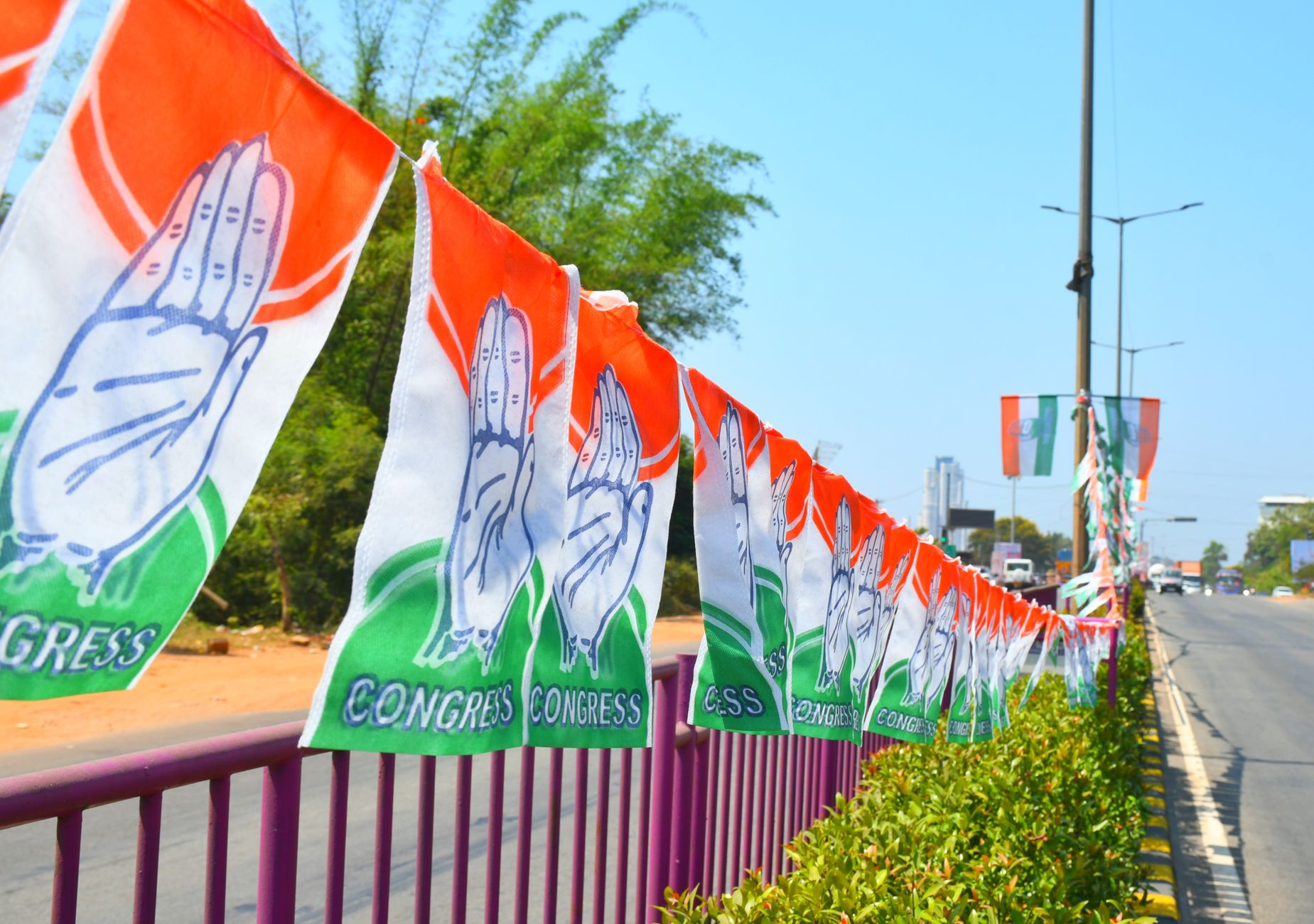
In a development that could rattle the political corridors of India, the Congress has levelled serious allegations against the ruling government, claiming a massive ₹10,000 crore tax evasion orchestrated through unregistered political entities. According to Congress, over 3,260 such parties have been functioning as fronts for laundering black money under the guise of political donations.
These revelations were brought to light by Shaktisinh Gohil of the Congress, who accused the government of turning a blind eye to the misuse of tax benefits that are meant for legitimately registered political parties. The Income Tax Act provides significant tax concessions to donors who contribute to registered parties, a provision that Congress claims has been exploited by these 'fake' entities.
The Call for a JPC Investigation
In response to these allegations, Congress has called for a Joint Parliamentary Committee (JPC) to investigate the matter. The party argues that only a thorough and unbiased probe can unravel the extent of the scam and hold accountable those responsible, including the donors who have allegedly taken advantage of this loophole.
According to Gohil, the sheer scale of the operation makes it one of the most significant tax scams in recent Indian history. He stressed the importance of transparency and accountability in political funding, warning that failure to address these concerns could undermine public trust in democratic institutions.
Political Implications
As the demand for a JPC probe gains traction, the political ramifications are becoming increasingly apparent. The Congress has strategically used this issue to question the Modi government's commitment to tackling corruption and ensuring financial propriety in political processes.
The government, on its part, has yet to respond comprehensively to these allegations. However, given the gravity of the claims, a detailed inquiry could be on the cards, potentially leading to significant policy changes regarding the registration and funding of political parties in India.
As the controversy unfolds, it remains to be seen how political stakeholders will navigate this complex issue, which has the potential to impact electoral dynamics and the broader political landscape significantly.