Congress States to Counter RSS Influence in Education
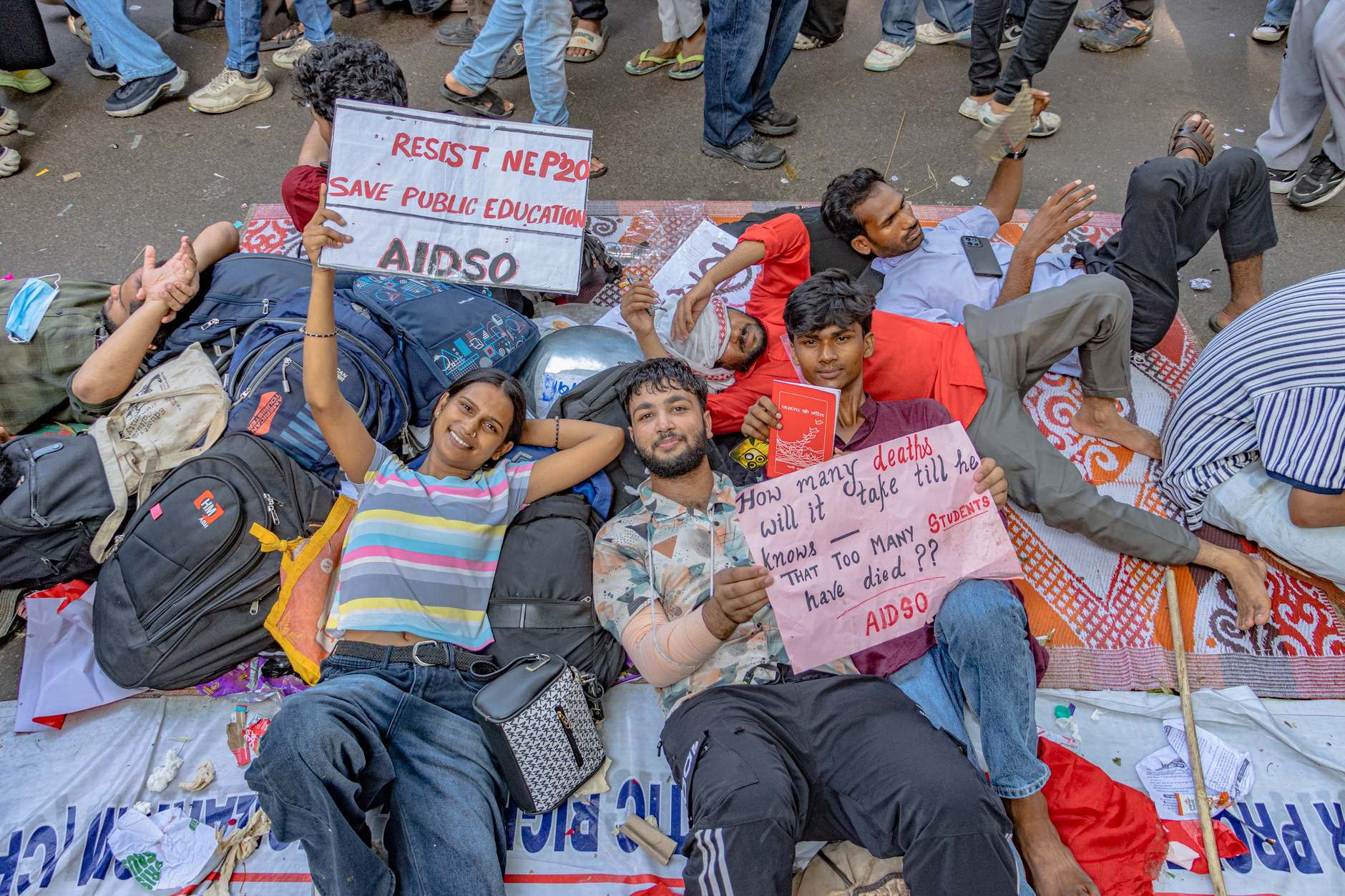
In a decisive move to challenge the perceived ideological sway of the Rashtriya Swayamsevak Sangh (RSS) over India's education landscape, Congress-ruled states have announced an ambitious action plan. The initiative, unveiled by Congress general secretary K.C. Venugopal, aims to establish these states as bastions of student-centric and progressive educational reforms.
Amidst growing concerns over the influence of the RSS's educational agenda, which critics argue promotes divisive ideologies, the Congress leadership has urged its state governments to reject such influences. Rahul Gandhi, a prominent figure in the opposition, has outlined a four-step strategy designed to overhaul the current educational framework in these states.
Reform Over Rhetoric
At the heart of this campaign lies a commitment to foster an inclusive and holistic learning environment. The proposed reforms include a focus on enhancing literacy and numeracy skills, expanding career pathways, and bolstering teacher training programmes. There is a concerted effort to ensure that the education system does not merely become a vessel for ideological indoctrination but rather a platform for genuine learning and critical thinking.
Venugopal, addressing the media, emphasised the need for Congress-ruled states to emerge as "model states" in the education sector. He stated, "Our priority is to ensure that education remains a tool for empowerment and not division." This rhetoric aligns with the Congress's broader political strategy of positioning itself as a counter-narrative to the BJP-led central government's policies.
The Political Underpinnings
The RSS, often described as the ideological backbone of the ruling Bharatiya Janata Party (BJP), has long been accused by its critics of attempting to influence educational content to reflect its nationalist ethos. This development by Congress-ruled states is not just an educational initiative but also a politically charged move, likely to intensify the ideological battle lines drawn between India's two major political organisations.
As these states proceed with their action plans, the broader question remains: Can these reforms transcend political motivations to genuinely benefit students? While Congress leaders assert their commitment to education as a public good, sceptics caution that without careful implementation, these efforts might be perceived as mere political posturing.
The coming months will be crucial as these states roll out their policies, potentially setting a precedent for others to follow in the ever-evolving dynamics of Indian education.