Controversy Brews Over 'Secret' Terror Trials in Pakistan's Punjab
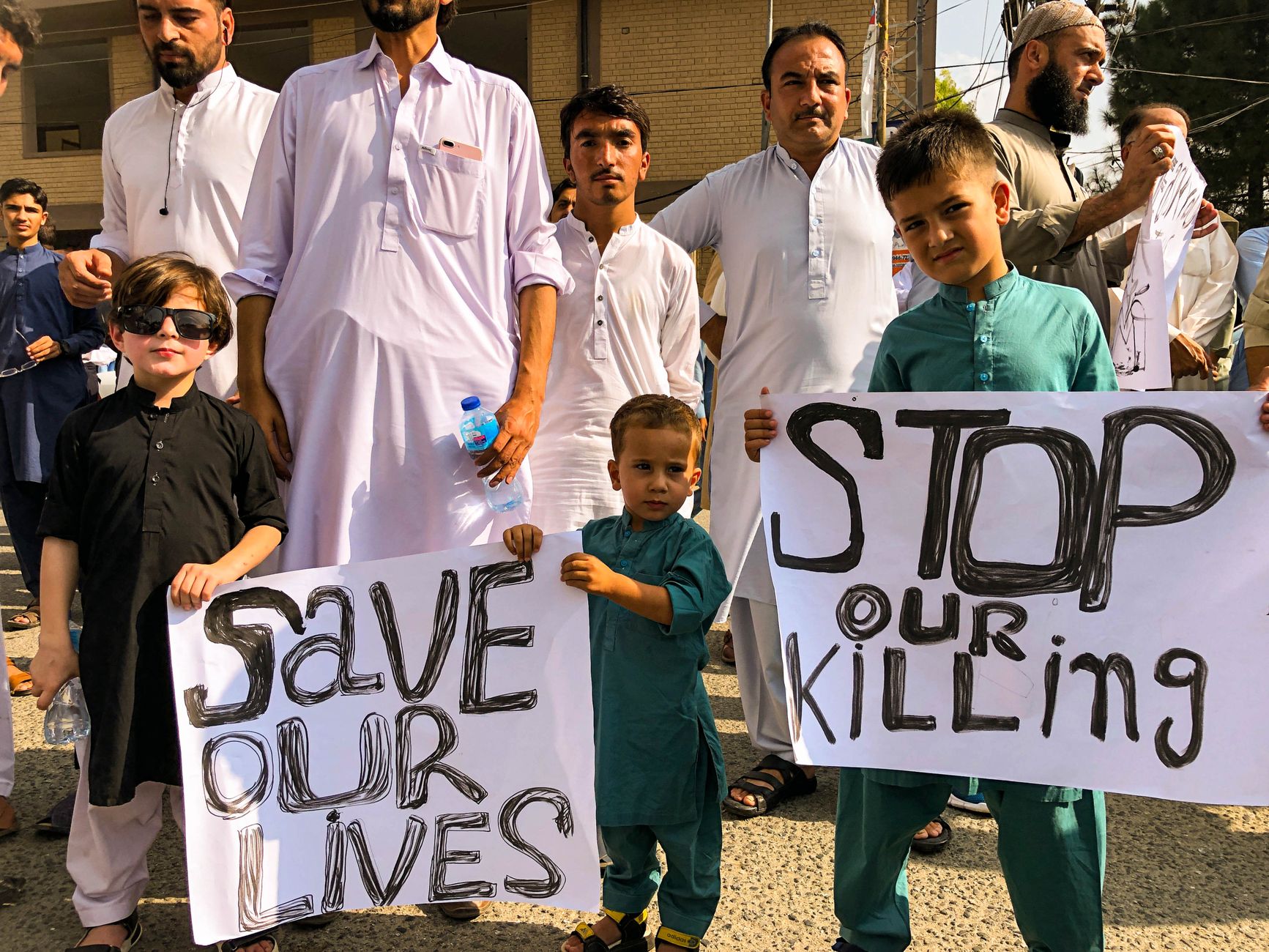
In an audacious move, Punjab, Pakistan's most populous province, has sanctioned the use of secret trials for terrorism cases, a decision that has ignited a firestorm of debate. The Punjab Anti-Terrorism (Amendment) Bill, 2026, permits judges, prosecutors, and witnesses to remain anonymous, a measure ostensibly designed to protect those involved in prosecuting terrorists.
Supporters of the bill argue that it addresses a long-standing problem. For years, terrorism cases in Pakistan have often collapsed due to lack of protection for prosecutors and witnesses, with notorious criminals walking free. The new legislation aims to rectify this by ensuring their safety, thereby strengthening the judicial process.
Criticism and Concerns
However, not everyone is convinced. PTI lawmakers have voiced strong objections, warning that such secrecy could lead to abuse of power. They argue that without transparency, the potential for miscarriages of justice increases significantly. The lack of public scrutiny could allow for selective application of laws, undermining the very justice system it seeks to protect.
Internationally, the move could further complicate Pakistan's diplomatic relations. India has already expressed concerns, urging countries like the Netherlands to limit arms sales to Pakistan due to its alleged support for cross-border terrorism. The introduction of secret trials may exacerbate these tensions, suggesting a shift towards more opaque governance.
A Delicate Balance
The legislation underscores the perennial challenge of balancing national security with civil liberties. While protecting those who risk their lives to uphold the law is crucial, the means of achieving this protection must not erode public trust in the judiciary. The efficacy of such measures will depend largely on their implementation and oversight.
As the bill becomes law, all eyes will be on how Punjab navigates these treacherous waters. Will it bolster the fight against terrorism without compromising on transparency and fairness? Or will it become yet another tool for the suppression of dissent? The coming months will be pivotal in determining the outcome.